 Jiu Ju Magnetizer


Can Bearing Steel Be Magnetized? Unraveling the Principles Behind the Magnetization of Bearing Steel
End-to-End Solution for Magnetization Automation
Automated Magnetic Charging Integrated Solution
Bearing steel can be magnetized and is currently widely used in industrial applications such as magnetic bearings, precision mechanical positioning, and magnetic adhesion. The underlying principle of its magnetization stems from the material’s inherent ferromagnetic properties; when combined with appropriate processing techniques, stable magnetization can be achieved.

From a material perspective, bearing steel has iron as its primary matrix and is a typical ferromagnetic material. It contains a large number of spontaneously magnetized microscopic magnetic domains; under normal conditions, these domains are randomly arranged, and the material exhibits no macroscopic magnetism. When an external magnetic field is applied with a strength exceeding the material’s coercive force, the magnetic domains overcome internal resistance and align in the direction of the magnetic field; upon removal of the external magnetic field, the aligned orientation of the magnetic domains is partially “frozen,” giving the bearing steel a stable remanence and completing the magnetization process.

The magnetization properties of bearing steel are highly dependent on its material condition. Commonly used high-carbon chromium bearing steel, after undergoing quenching and tempering, exhibits a microstructure dominated by martensite, resulting in significantly enhanced coercivity and greater residual magnetism stability, making it more suitable for applications requiring long-term retention of magnetic properties; In the annealed state, bearing steel exhibits relatively low coercive force, and its residual magnetism is prone to decay due to vibration and temperature fluctuations. It is important to note that bearing steel is primarily classified as structural steel; its residual magnetic strength and resistance to demagnetization are inferior to those of specialized permanent magnet materials such as neodymium-iron-boron, making it more suitable for applications requiring medium to low magnetic strength.

In actual production, the pulse magnetization process is commonly used for bearing steel. This process generates a strong pulsed magnetic field through the instantaneous discharge of energy stored in capacitors, which uniformly penetrates the interior of the workpiece to complete magnetization. The magnetization energy must be precisely matched to the workpiece’s specifications and material condition; insufficient energy will result in incomplete magnetization, while excessive energy will cause performance saturation and waste energy.

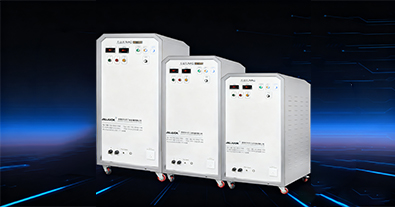
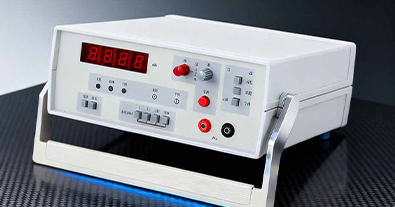
Jiuju has developed a specialized magnetization solution tailored to the magnetic properties of bearing steel. This solution enables precise control of pulse energy and magnetic field distribution, supports batch magnetization of bearing workpieces in various sizes, and incorporates a surface magnetic field detection module to verify magnetization effectiveness. This ensures uniform and consistent magnetization across batch production, meeting the application requirements of precision industrial settings.
Magnetization of Magnetic Materials
3C Electronic Magnetization
Motor Rotor Magnetization
Car Speaker Magnetization
New Energy Vehicle Industry
Medical Equipment Industry
Other Industries

Jiuju Magnetization 100 Q&A: What Counts as a Defective Magnet
Nov 10, 2026
Defects in permanent magnets go beyond appearance: magn…
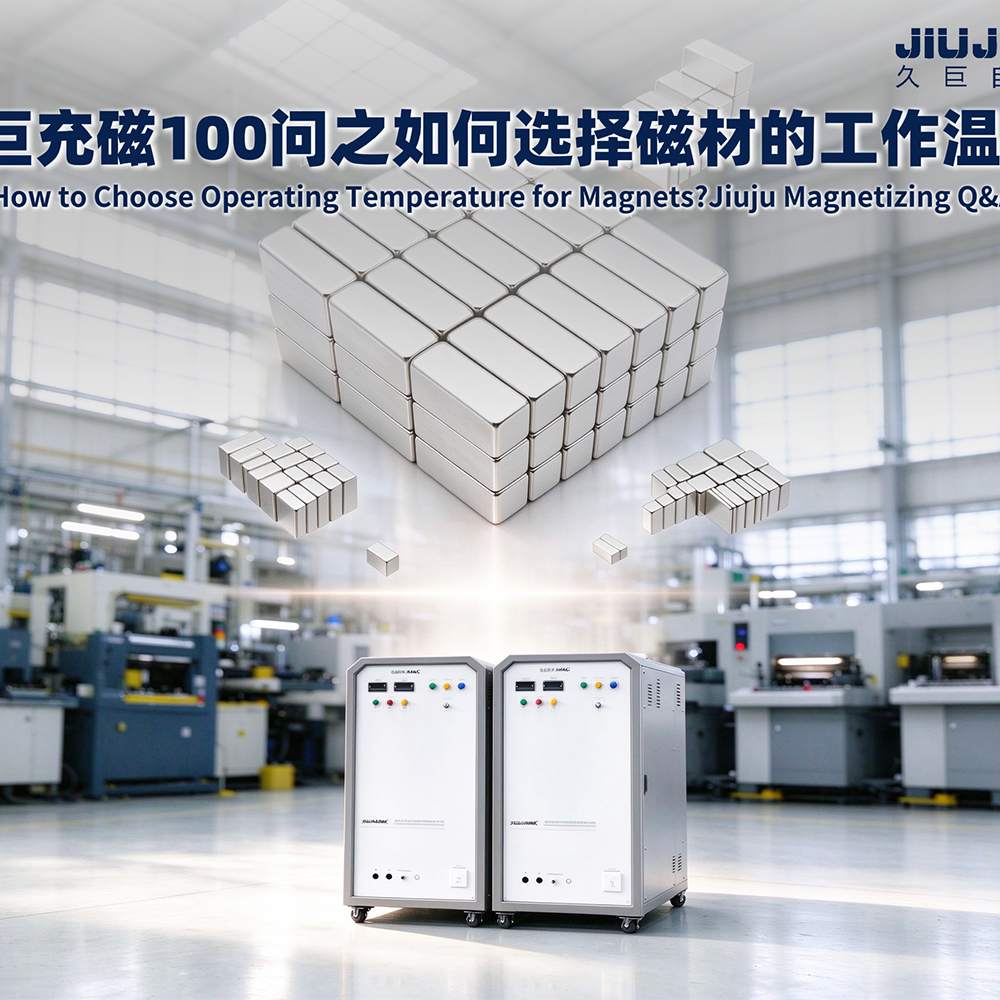
Magnetization 100 Q&A: Choosing the Magnet Operating Temperature
Nov 10, 2026
Operating temperature is the core constraint in magnet …

Precise Magnetization Control for AlNiCo Magnets: Case Video
Oct 30, 2026
AlNiCo magnets keep stable flux thanks to a very low te…

How NdFeB Magnets Achieve Stable Magnetism: Case Video
Oct 9, 2026
Stable NdFeB performance requires the right grade, a co…
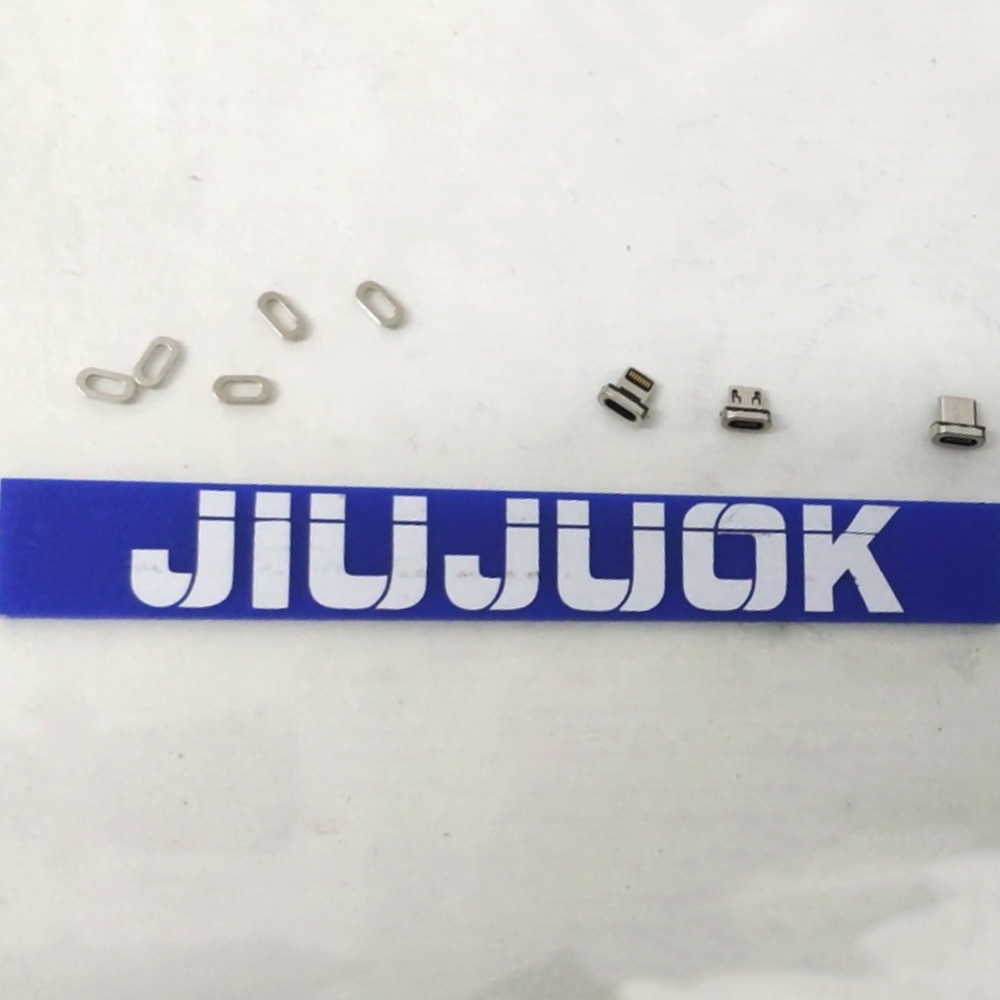
Magnetization for Magnetic Phone Chargers – Precisely Aligned with Core Magnetic Charging Processes
Nov 13, 2025
Magnetizing magnetic charging heads for phones: matchin…
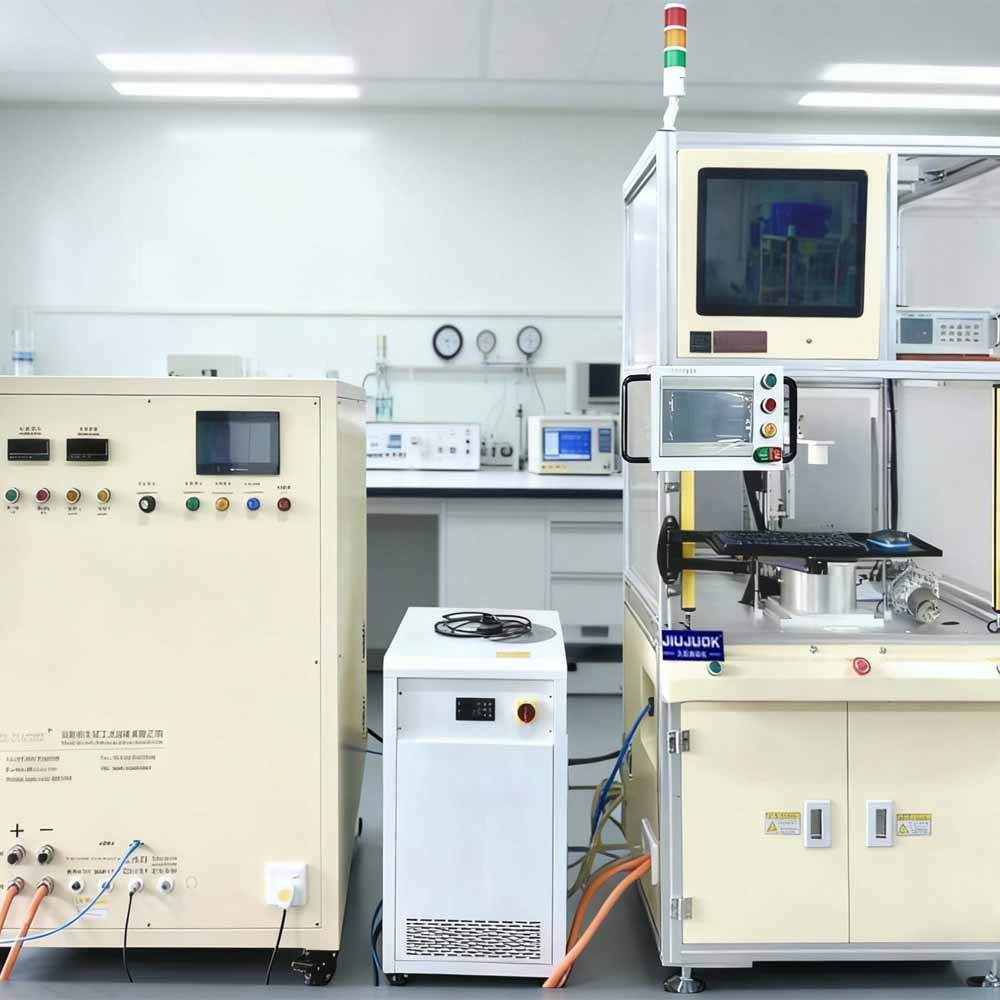
JIUJU Electronic Magnetizers: Solving Industry Pain Points and Achieving the Optimal Balance of Performance and Cost
Nov 11, 2025
The Jiuju electronic magnetizer balances performance an…
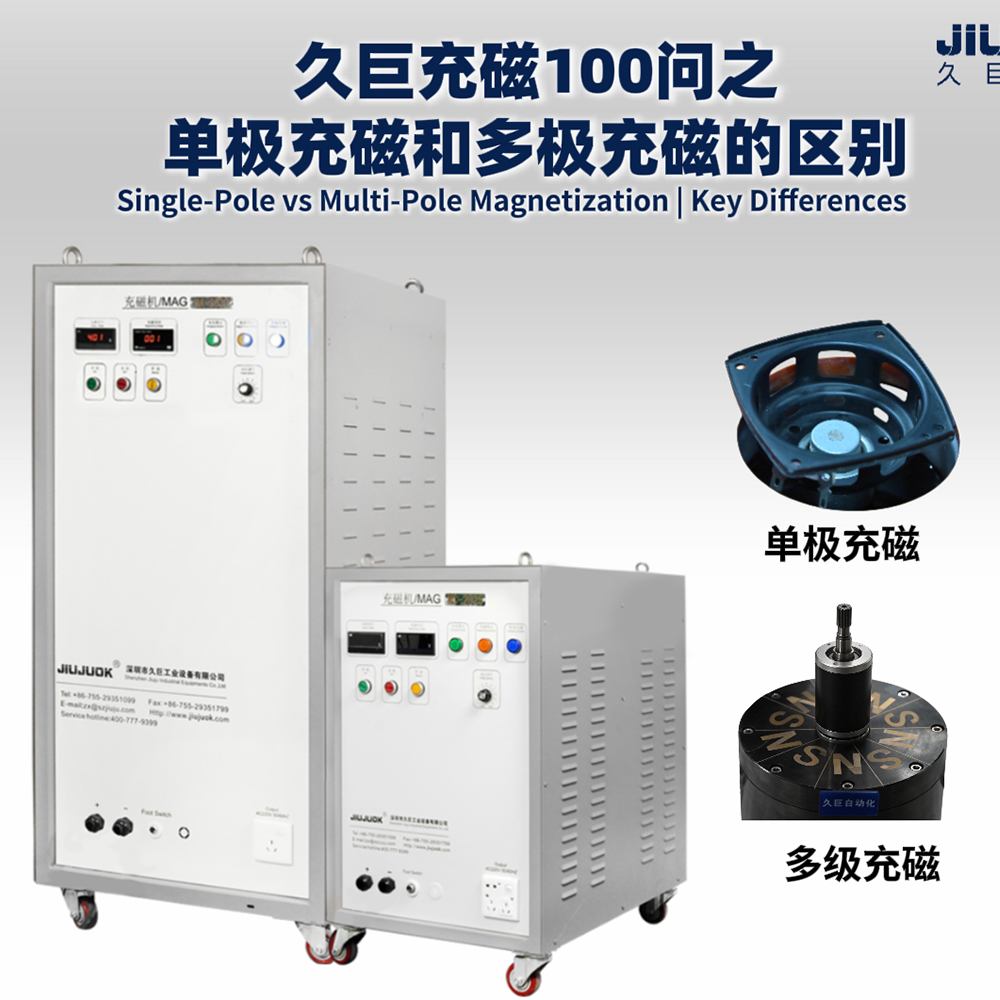
Magnetization 100 Q&A: Single-Pole vs Multi-Pole Magnetization
Nov 10, 2026
This video explains the difference between single-pole …

Video Demonstrating the Magnetization of Jiuju High-Frequency Drivers—Jiuju Magnetizer
Sep 14, 2026
Case video: Video Demonstrating the Magnetization of Ji…

Unusual Noises and Power Loss in Motors? The Root Cause Is an Uneven Magnetic Field—Jiuju Magnetizing Machine
Sep 6, 2026
Motor noise and torque loss often trace back to uneven …

Why Magnetic Field Measurement Is Essential for Mass Production Quality Control of Permanent Magnet Motors—Jiuju Magnetizing Machines
Sep 5, 2026
Why surface flux inspection is indispensable for volume…

How Critical Is Magnetization in Magnetic Switch Production?
Oct 29, 2026
In magnetic switches, magnetization controls holding fo…

Video Demonstrating Jiuju's Magnetization Process for Antique Speakers—Jiuju Magnetizer
Sep 13, 2026
Case video: Video Demonstrating Jiuju’s Magnetization P…
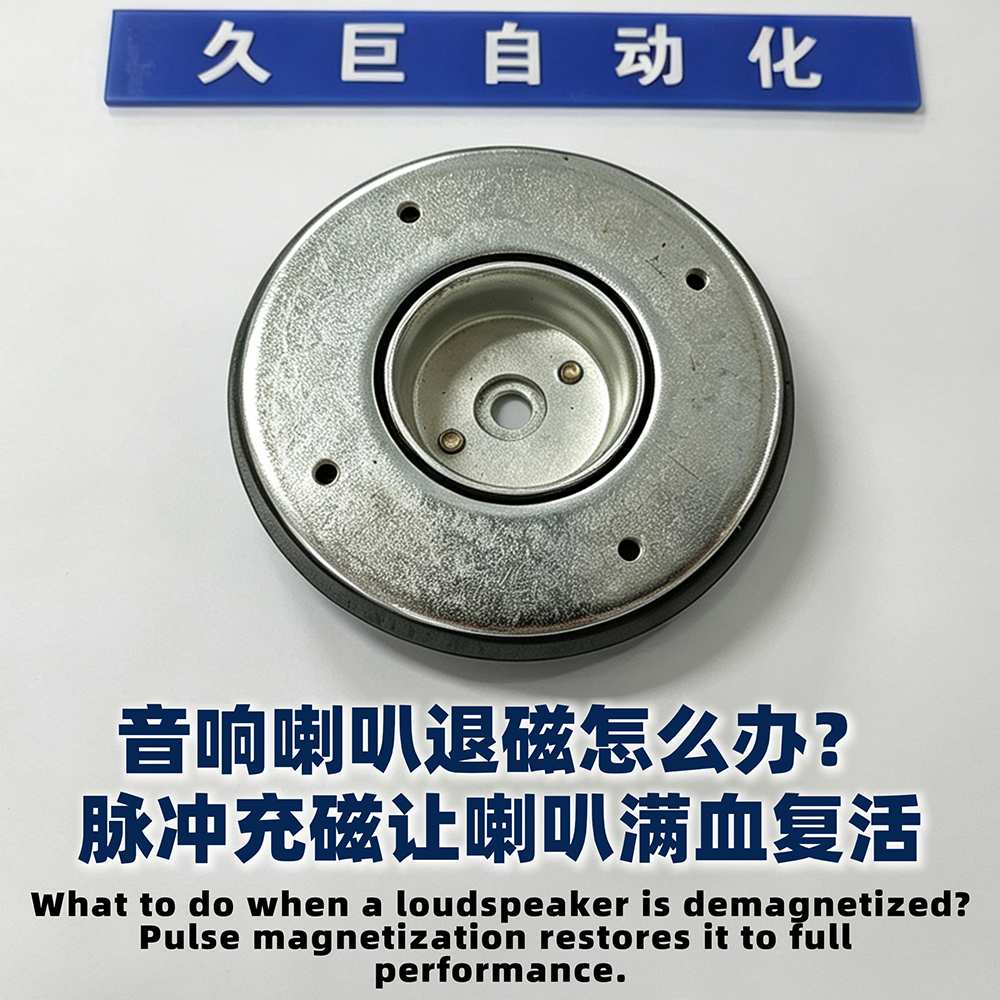
Video Demonstrating the Magnetization Process for Jiuju Speakers—Jiuju Magnetizer
Sep 10, 2026
Case video: Video Demonstrating the Magnetization Proce…

Why Does the Tip “Stick” to the Screw? A Video Explanation of Magnetization—Jiuju Magnetizing Machine
Aug 2, 2026
Case video: Why Does the Tip “Stick” to the Screw? A Vi…
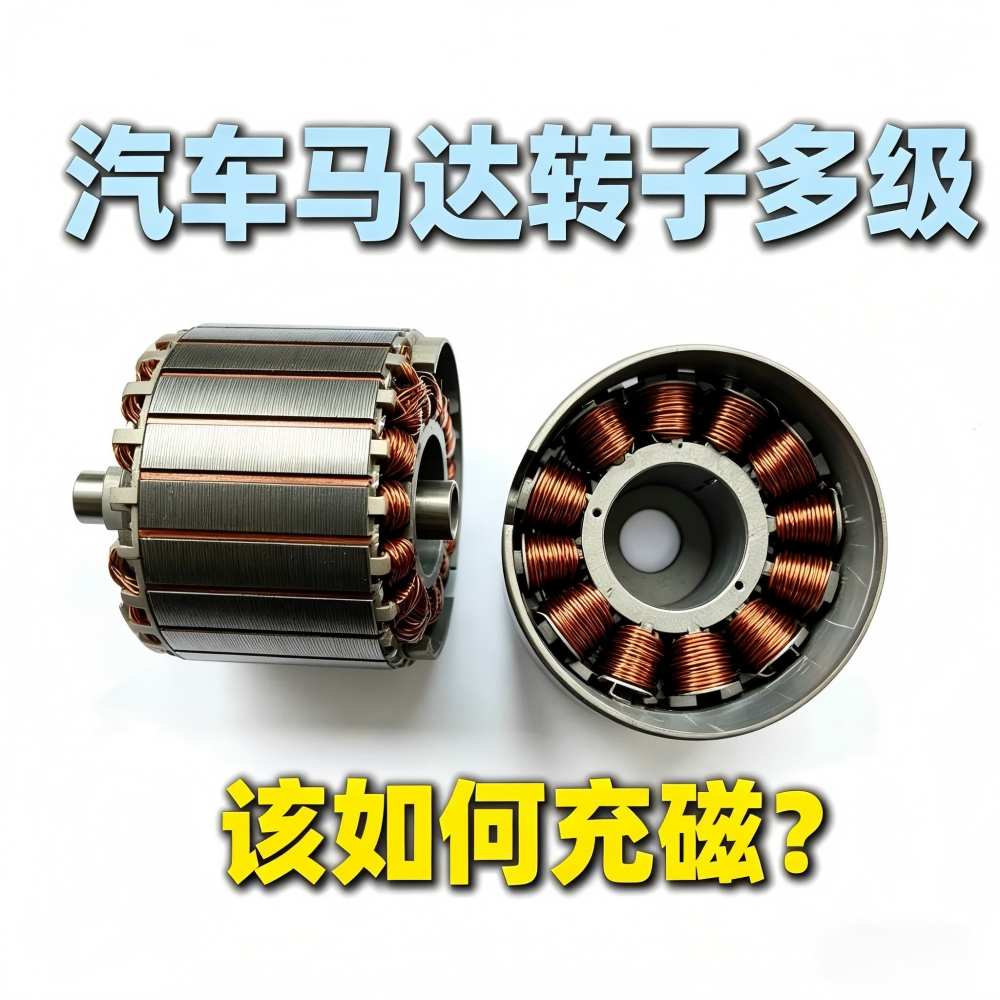
Video on Magnetizing Automotive Motor Rotors—Jiuju Magnetizing Machine
Jul 22, 2026
Case video: Video on Magnetizing Automotive Motor Rotor…

Video Case Study: Magnetizing Machine for Automotive Motor Rotors—Jiuju Magnetizing Machine
Jul 5, 2026
Case video: Video Case Study: Magnetizing Machine for A…

JIUJU Four-Station Motor Magnetizer – A Revolutionary Solution to Enhance New Energy Vehicle Motor Manufacturing Efficiency
Nov 10, 2025
The Jiuju four-station motor magnetizer improves effici…


Video Guide on How to Select a Magnetizing Machine—Jiuju Magnetizing Machines
Aug 8, 2026
Case video: Video Guide on How to Select a Magnetizing …
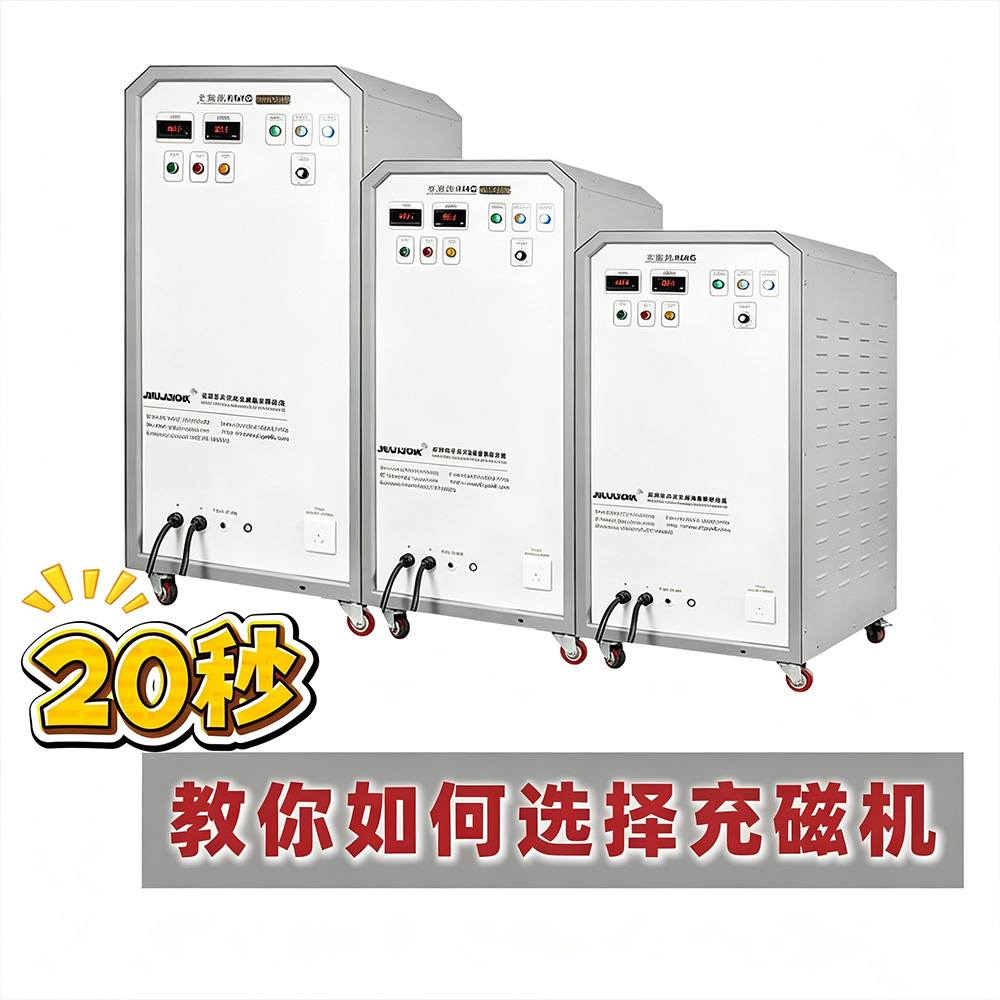
A 20-Second Video Guide on How to Choose a Magnetizing Machine—Jiuju Magnetizing Machine
Jul 21, 2026
Case video: A 20-Second Video Guide on How to Choose a …
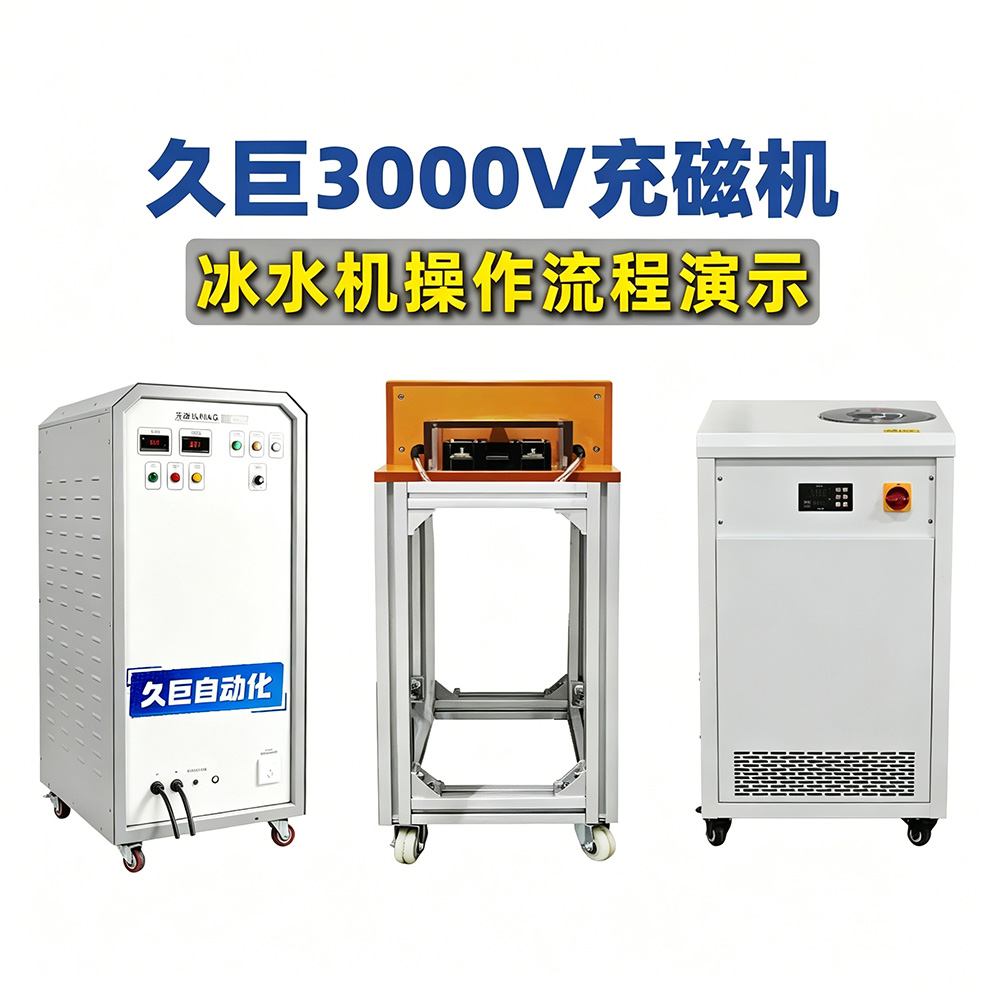
3000V Magnetizing Machine and Chiller Operation Demonstration Video—Jiuju Magnetizing Machine
Jul 3, 2026
Case video: 3000V Magnetizing Machine and Chiller Opera…
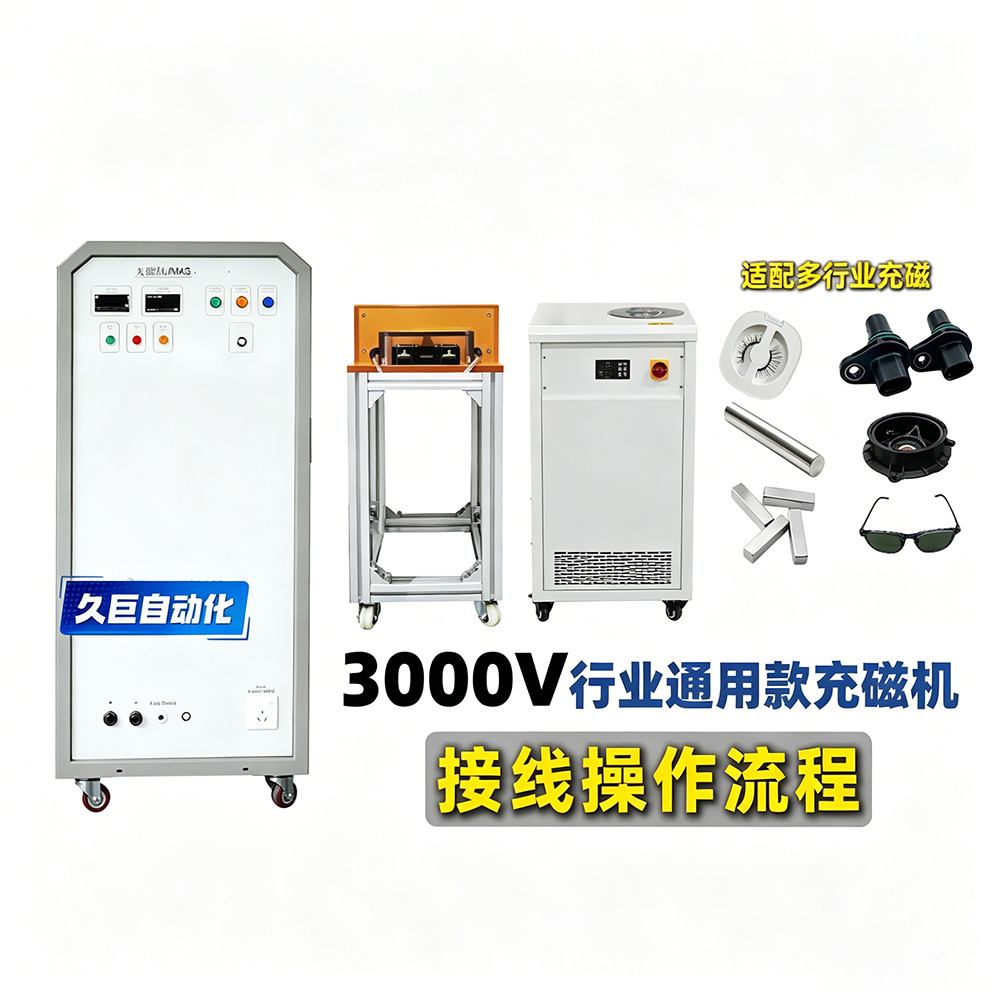
Video on the Wiring Procedure for a 3000V General-Purpose Industrial Magnetizer—Jiuju Magnetizer
Jul 2, 2026
Case video: Video on the Wiring Procedure for a 3000V G…

 English
 Chinese
 Russian
 Vietnamese
 Korean
 Thai
 French
 Spanish
 Japanese
 Hindi
 Bengali
 Portuguese