

Full Site Search

Covering The Entire Process, From Magnetizing Equipment to Magnetic Components

Comprehensive Solutions for Every Stage of Magnetization

Products

Our Magnetization Solutions

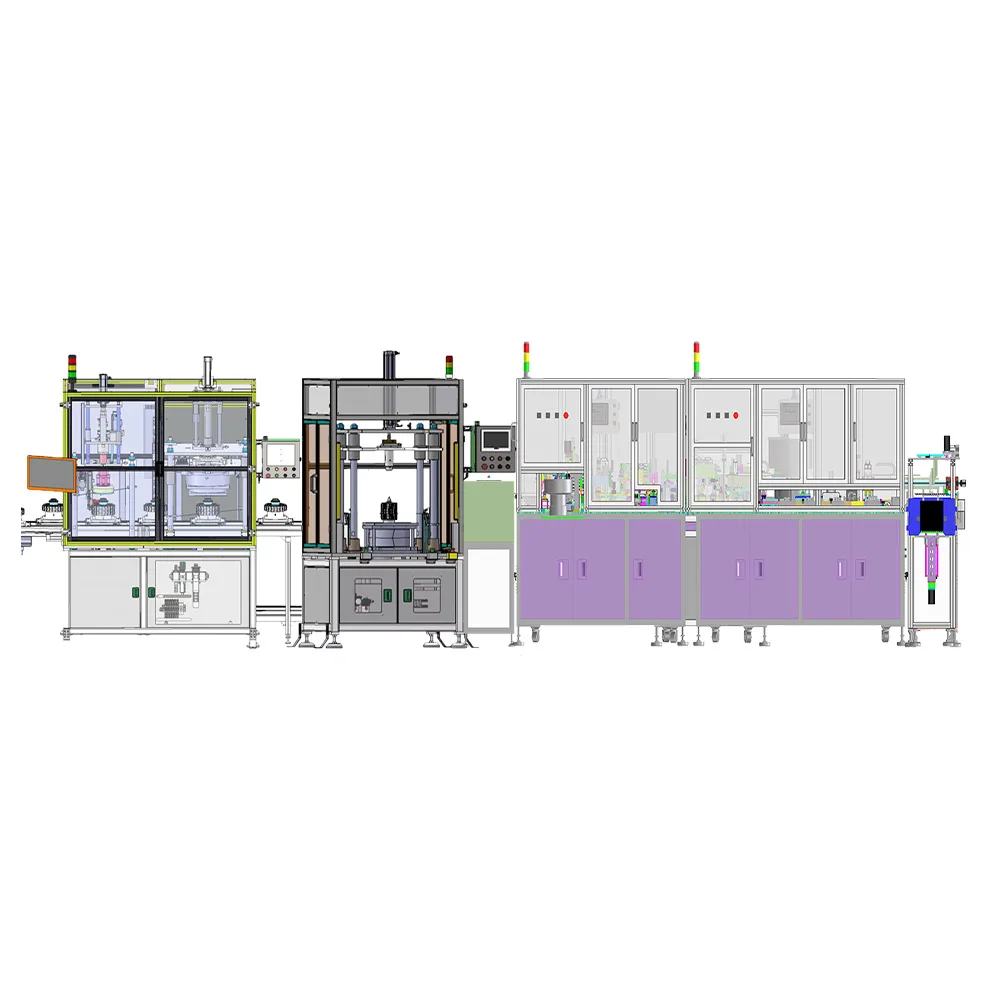
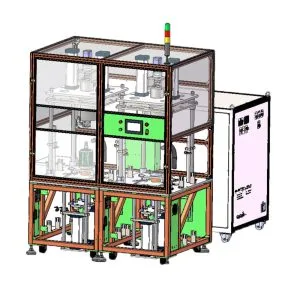
Our magnet-related products are characterized by a wide range of products and adaptations, supporting flexible configurations, including magnetizers/power supplies, magnetizing automation equipment, magnetizing coils, magnetic measuring instruments, magnetizing services and high-precision magnetic components.
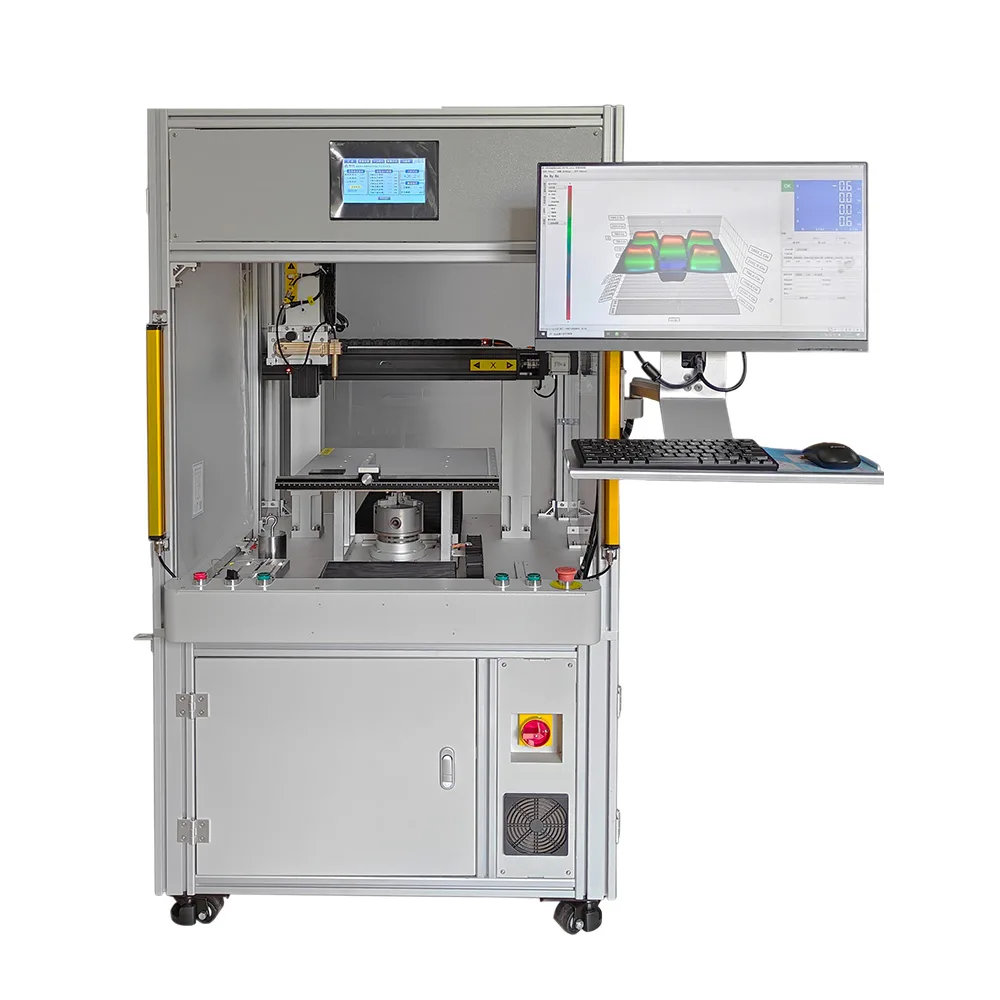
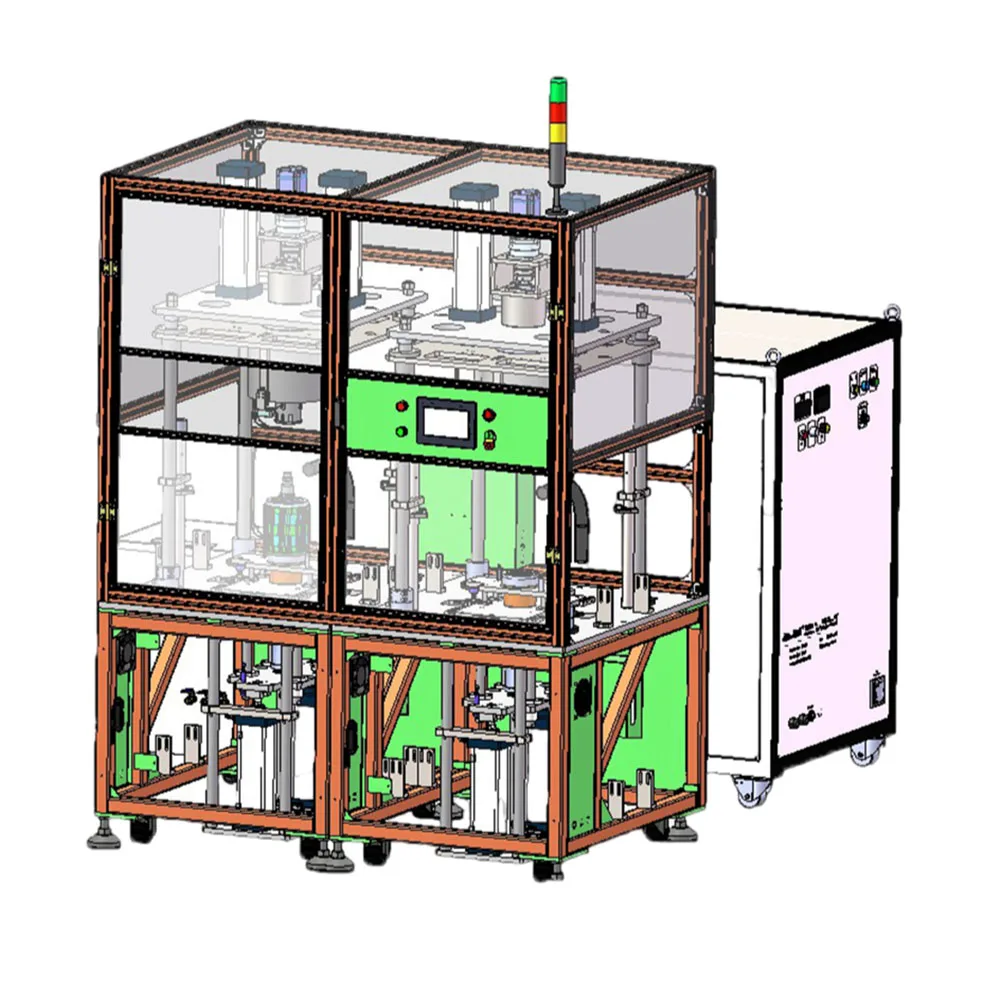
Main Technical Parameters — Magnetic Measuring Instruments (Surface Field Measurement)
ParameterSpecificationRemark
Measurement TargetSurface magnetic flux density (surface field)Unit and display configured by model
Measuring RangeFrom low field to high field, selected by modelTarget range to be confirmed with engineering
AccuracyMillitesla (mT) levelDepends on the probe
Measuring PointsMulti-point scanning after magnetizingAutomatic positioning sequence
Workpiece CompatibilityVarious types and sizes, adjustable fixtureConfirmed against drawings or samples
Measuring SpeedAdjustableBatch scanning or single-point sampling
Data OutputReal-time acquisition, analysis, storage and exportResult files retained as batch records
IntegrationCan be integrated with magnetizing and sorting on one lineSee the NEV motor magnetizing and inspection solution

Offers Customized Design and R&D solutions

Committed to providing the most reliable and advanced magnetization solutions

Relying on advanced core technologies such as magnetic material magnetization control and precise testing, we provide high-quality magnetization solutions and services. This ensures the magnetization performance and stability of magnetizers and magnetic testing equipment, accommodating the magnetization needs of materials like NdFeB and ferrite, and meeting requirements across multiple industry applications.

Watch Video to Learn More
JiuJi Automation-Research and Development Laboratory

Magnet Measuring Instruments

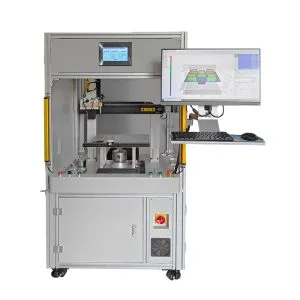
Jiuju offers a range of professional magnetic measurement instruments designed for testing the performance of various magnetic products, making them essential quality control equipment for magnetization production. The instruments provide accurate and stable testing, enabling rapid measurement and analysis of magnetic field data to precisely determine whether a product’s magnetization meets specifications. With simple and intuitive operation and clear, easy-to-understand data displays, they are ideal for daily quality inspections and product spot checks on the production floor. The durable and low-maintenance units are suitable for a variety of production environments and can meet testing requirements across different accuracy levels. Widely used in industries such as magnetic materials, electroacoustics, electric motors, and digital electronics, these instruments help enterprises strictly control the quality of magnetized finished products, promptly screen out non-conforming products, improve production quality inspection processes, assist in establishing standardized quality control systems, and steadily enhance overall product quality.

Frequently Asked Questions

Common questions on range, accuracy, integration and data. If yours is not covered here, just contact us.

Q1. What is the difference between surface field and magnetic flux?

Surface field is the flux density at a point on the workpiece surface, usually expressed in mT or Gs; magnetic flux is the total passing through a given cross-section. Use surface field to look at point-to-point distribution and polarity, and flux to judge overall consistency. The two complement each other.

View more magnetizer FAQs

Q2. What range can the surface field measuring instrument cover?

The range is configured by model, from low field to high field. Which one fits depends on your magnet grade, target surface field and workpiece size; give us those three and our engineering team will recommend a probe and range.

View more magnetizer FAQs

Q3. What affects measuring accuracy?

Mainly the gap between probe and workpiece surface, the probe angle, workpiece temperature and the repeatability of fixture positioning. In practice the fixture and the way the part is located often affect repeatability more than the instrument itself.

View more magnetizer FAQs

Q4. Can it be mounted right after the magnetizer?

Yes. Measurement can be integrated into the same station as the magnetizer so parts are measured straight after magnetizing, or used as a stand-alone unit for sampling and incoming inspection. When integrating into a line, the measuring cycle has to be factored in at the station-design stage.

View more magnetizer FAQs

Q5. Can the measurement data be exported?

Yes. Real-time acquisition, analysis, storage and export are supported, and result files can be kept per batch for traceability and complaint analysis.

View more magnetizer FAQs

en_USEnglish