 Jiu Ju Magnetizer


How to Choose Between Permanent Ferrite and Neodymium-Iron-Boron Magnetization for Mass Production? How to Decide Between Axial and Radial Magnetization?
End-to-End Solution for Magnetization Automation
Automated Magnetic Charging Integrated Solution
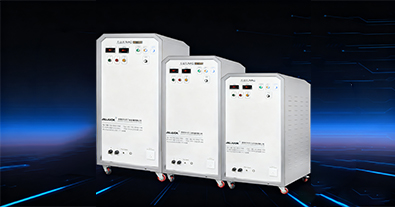
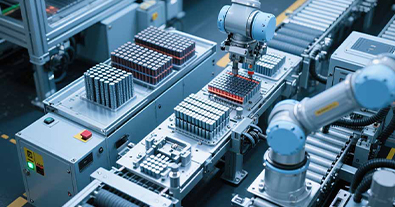
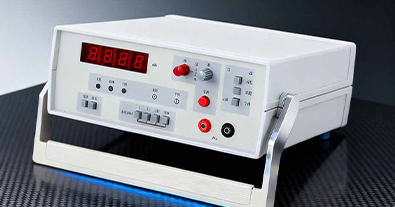
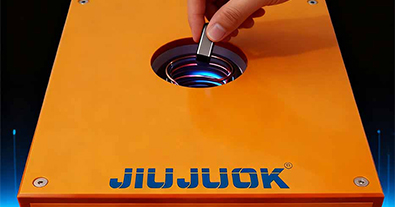
When mass-producing permanent magnet motors, sensors, and magnetic attachment assemblies, the selection of permanent magnet ferrite and neodymium-iron-boron should not be based solely on magnetic performance; it must also take into account the magnetization method, manufacturing complexity, cost, and product consistency. Axial and radial magnetization are key factors affecting the implementation of a design solution.

Neodymium-iron-boron (NdFeB) is a rare-earth permanent magnet. Its remanence and coercive force are significantly higher than those of ferrites, and it offers a distinct advantage in magnetic energy product, making it suitable for compact, high-torque, and lightweight products. It can be magnetized both axially and radially in a multipole configuration.Axial MagnetizationThe magnetic field passes through the magnet in the thickness direction; the structure is simple, the cost of manufacturing the magnetizing jig is low, mass production efficiency is high, and it is suitable for axial-flux motors and planar magnetic holding assemblies;Radial MagnetizationWhether the magnetic field is directed outward or inward along the radial direction, multipole radial magnetic rings can generate a uniform air-gap magnetic field and are widely used in brushless motor rotors. However, neodymium-iron-boron is a brittle material, and radial multipole magnetization places extremely high demands on the magnetic field distribution of the magnetizing head. This often results in uneven magnetic flux distribution across the poles. Furthermore, the material has limited resistance to high temperatures and demagnetization, posing a risk of demagnetization under high-current, high-temperature operating conditions.

Permanent magnet ferrites have a low energy product and relatively weak magnetic force, but they offer stable resistance to demagnetization and are inexpensive, making them suitable for high-volume, low-cost motors used in home appliances, fans, and water pumps. Ferrite magnets also support both axial and radial magnetization. The axial magnetization process is well-established and offers consistent yield rates; Radial multipole magnetization of ferrites has significant limitations. When large ferrite blocks are radially magnetized, the magnetic pole waveforms become noticeably distorted, and the magnetic field in the air gap fluctuates significantly, making it difficult to achieve a high-precision multipole magnetic field. Therefore, radial magnetization of ferrites is used less frequently than axial magnetization in mass production.

Approach to Selecting Components for Mass Production: For applications requiring high power, compact size, and high magnetic flux density, neodymium-iron-boron (NdFeB) should be the preferred choice. If the rotor requires a radial multipole magnetic field, select radially magnetized NdFeB magnetic rings provided the budget allows; for flat structures where the magnetic field acts along the thickness direction, use axially magnetized NdFeB. If the product does not require high magnetic force but prioritizes cost and long-term stability, and if the operating temperature fluctuates significantly, permanent magnet ferrite can be selected. Whenever possible, prioritize axial magnetization to minimize complex radial multipole designs. Additionally, consider the investment required for magnetization equipment. Radial multipole magnetization requires custom magnetizing coils, consumes more energy per magnetization cycle, and results in higher costs for small-batch production; axial magnetization fixtures offer greater versatility and allow for faster changeovers. Only by comprehensively evaluating magnetic performance, magnetization process complexity, yield rates, and procurement costs can one select the permanent magnet and magnetization solution best suited for mass production.
Magnetization of Magnetic Materials
3C Electronic Magnetization
Motor Rotor Magnetization
Car Speaker Magnetization
New Energy Vehicle Industry
Medical Equipment Industry
Other Industries

Jiuju Magnetization 100 Q&A: What Counts as a Defective Magnet
Nov 10, 2026
Defects in permanent magnets go beyond appearance: magn…
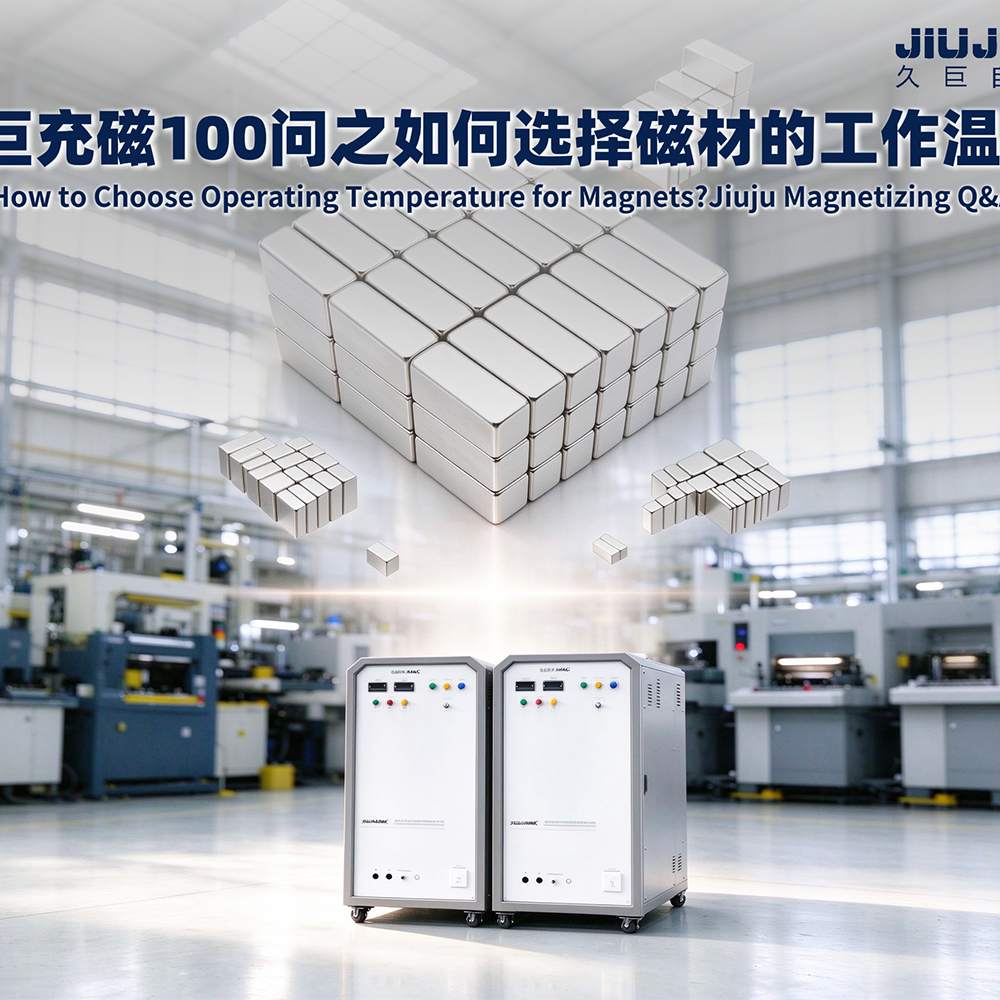
Magnetization 100 Q&A: Choosing the Magnet Operating Temperature
Nov 10, 2026
Operating temperature is the core constraint in magnet …

Precise Magnetization Control for AlNiCo Magnets: Case Video
Oct 30, 2026
AlNiCo magnets keep stable flux thanks to a very low te…

How NdFeB Magnets Achieve Stable Magnetism: Case Video
Oct 9, 2026
Stable NdFeB performance requires the right grade, a co…
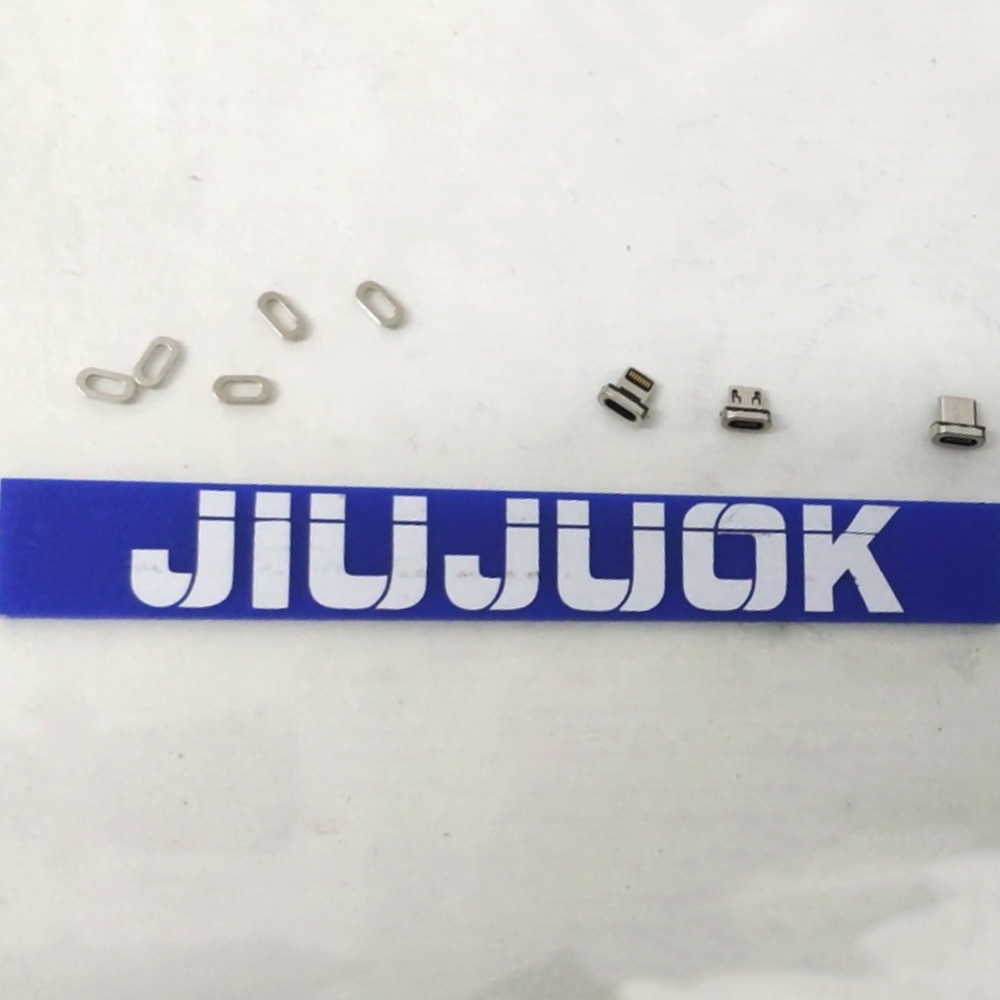
Magnetization for Magnetic Phone Chargers – Precisely Aligned with Core Magnetic Charging Processes
Nov 13, 2025
Magnetizing magnetic charging heads for phones: matchin…
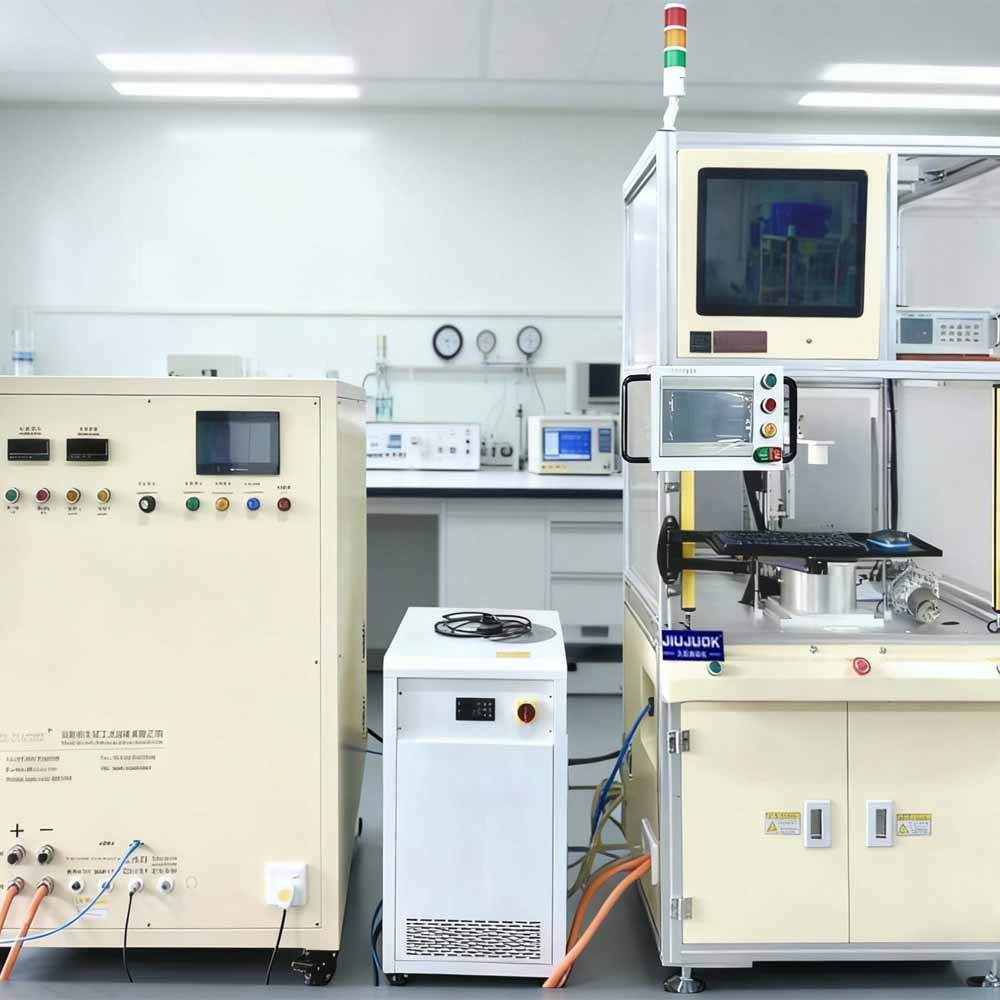
JIUJU Electronic Magnetizers: Solving Industry Pain Points and Achieving the Optimal Balance of Performance and Cost
Nov 11, 2025
The Jiuju electronic magnetizer balances performance an…
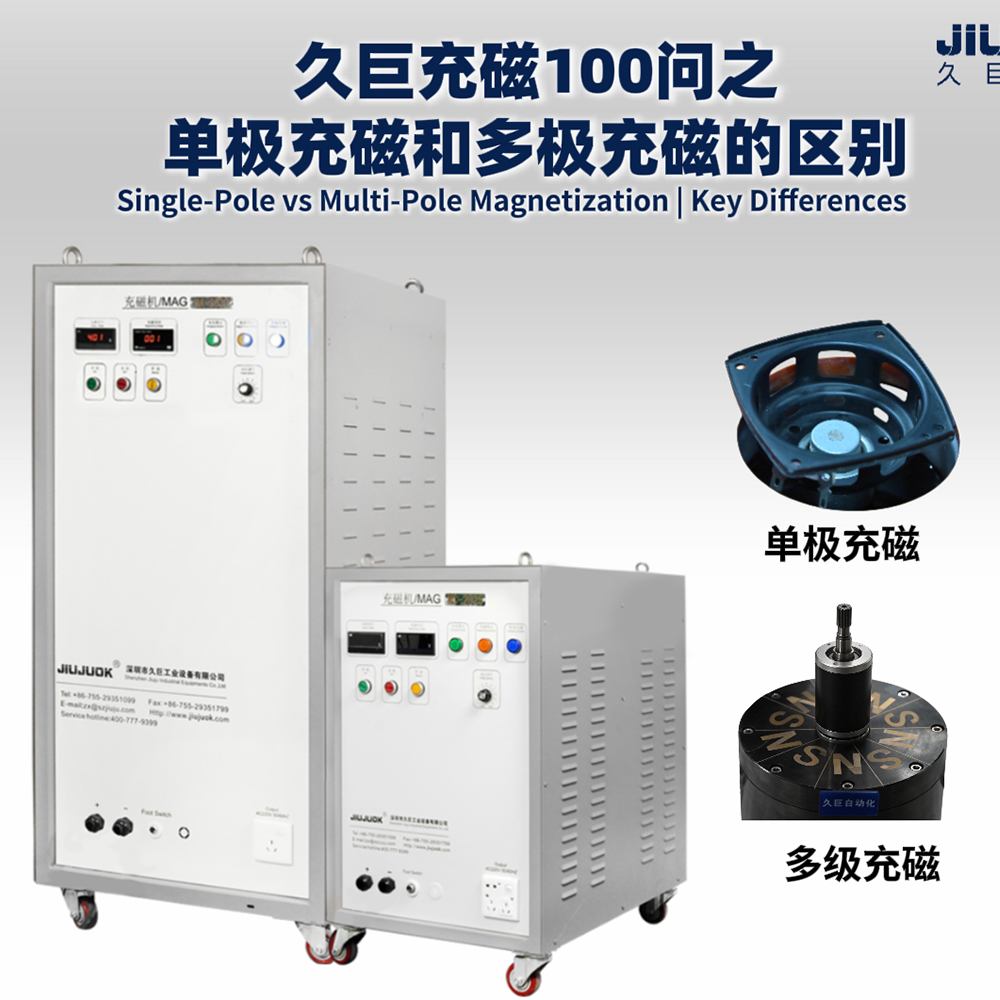
Magnetization 100 Q&A: Single-Pole vs Multi-Pole Magnetization
Nov 10, 2026
This video explains the difference between single-pole …

Video Demonstrating the Magnetization of Jiuju High-Frequency Drivers—Jiuju Magnetizer
Sep 14, 2026
Case video: Video Demonstrating the Magnetization of Ji…

Unusual Noises and Power Loss in Motors? The Root Cause Is an Uneven Magnetic Field—Jiuju Magnetizing Machine
Sep 6, 2026
Motor noise and torque loss often trace back to uneven …

Why Magnetic Field Measurement Is Essential for Mass Production Quality Control of Permanent Magnet Motors—Jiuju Magnetizing Machines
Sep 5, 2026
Why surface flux inspection is indispensable for volume…

How Critical Is Magnetization in Magnetic Switch Production?
Oct 29, 2026
In magnetic switches, magnetization controls holding fo…

Video Demonstrating Jiuju's Magnetization Process for Antique Speakers—Jiuju Magnetizer
Sep 13, 2026
Case video: Video Demonstrating Jiuju’s Magnetization P…
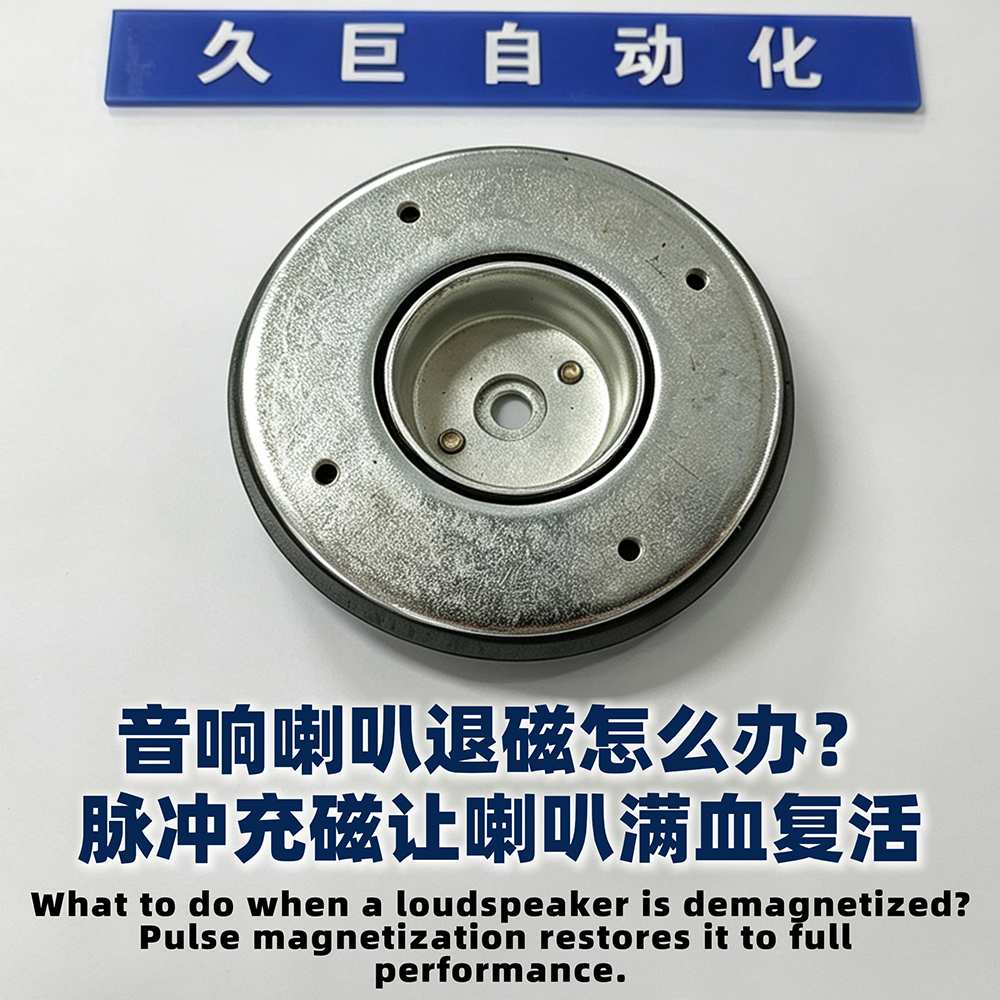
Video Demonstrating the Magnetization Process for Jiuju Speakers—Jiuju Magnetizer
Sep 10, 2026
Case video: Video Demonstrating the Magnetization Proce…

Why Does the Tip “Stick” to the Screw? A Video Explanation of Magnetization—Jiuju Magnetizing Machine
Aug 2, 2026
Case video: Why Does the Tip “Stick” to the Screw? A Vi…
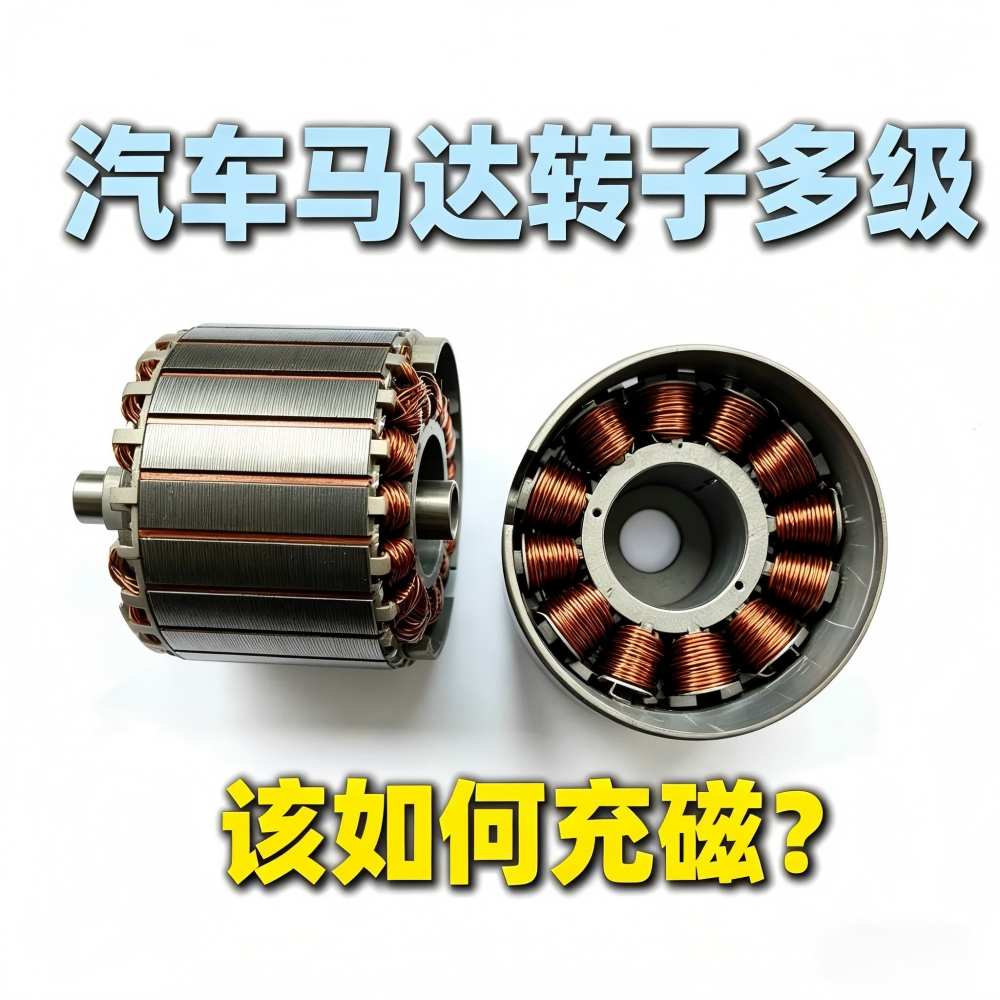
Video on Magnetizing Automotive Motor Rotors—Jiuju Magnetizing Machine
Jul 22, 2026
Case video: Video on Magnetizing Automotive Motor Rotor…

Video Case Study: Magnetizing Machine for Automotive Motor Rotors—Jiuju Magnetizing Machine
Jul 5, 2026
Case video: Video Case Study: Magnetizing Machine for A…

JIUJU Four-Station Motor Magnetizer – A Revolutionary Solution to Enhance New Energy Vehicle Motor Manufacturing Efficiency
Nov 10, 2025
The Jiuju four-station motor magnetizer improves effici…


Video Guide on How to Select a Magnetizing Machine—Jiuju Magnetizing Machines
Aug 8, 2026
Case video: Video Guide on How to Select a Magnetizing …
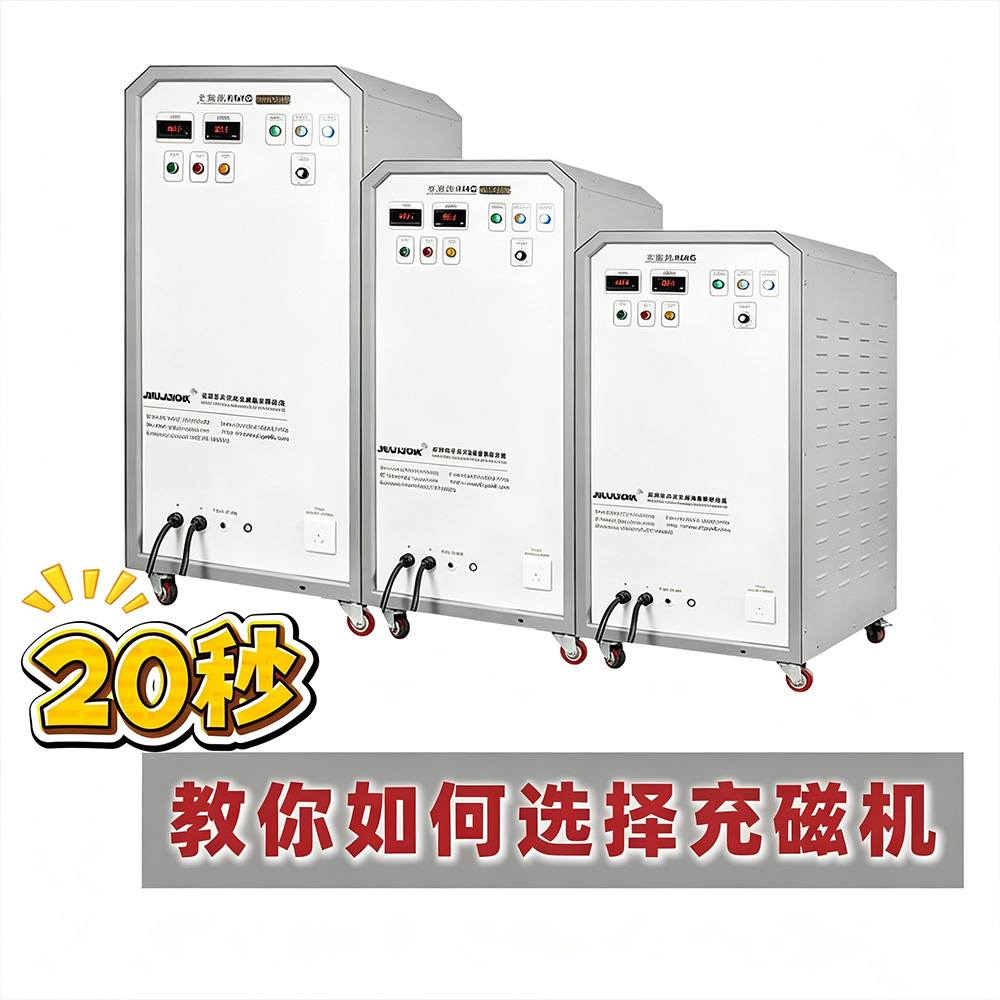
A 20-Second Video Guide on How to Choose a Magnetizing Machine—Jiuju Magnetizing Machine
Jul 21, 2026
Case video: A 20-Second Video Guide on How to Choose a …
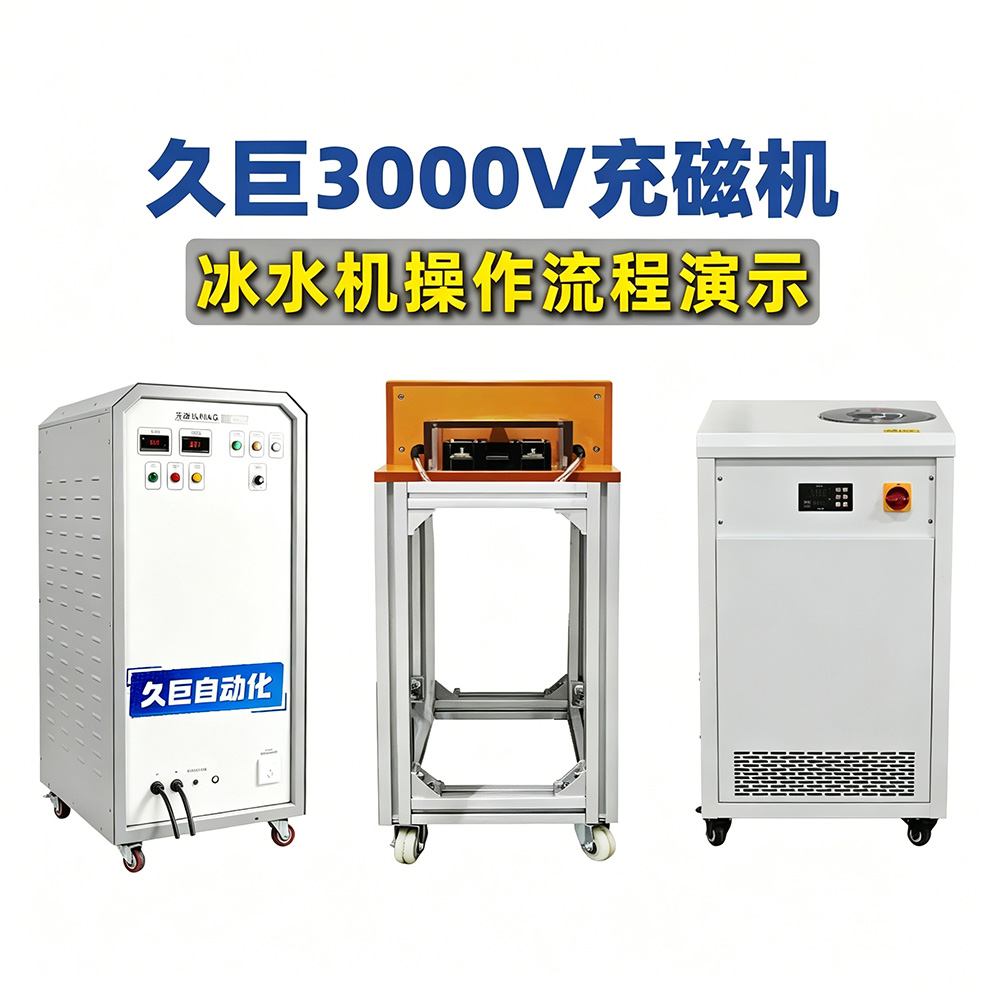
3000V Magnetizing Machine and Chiller Operation Demonstration Video—Jiuju Magnetizing Machine
Jul 3, 2026
Case video: 3000V Magnetizing Machine and Chiller Opera…
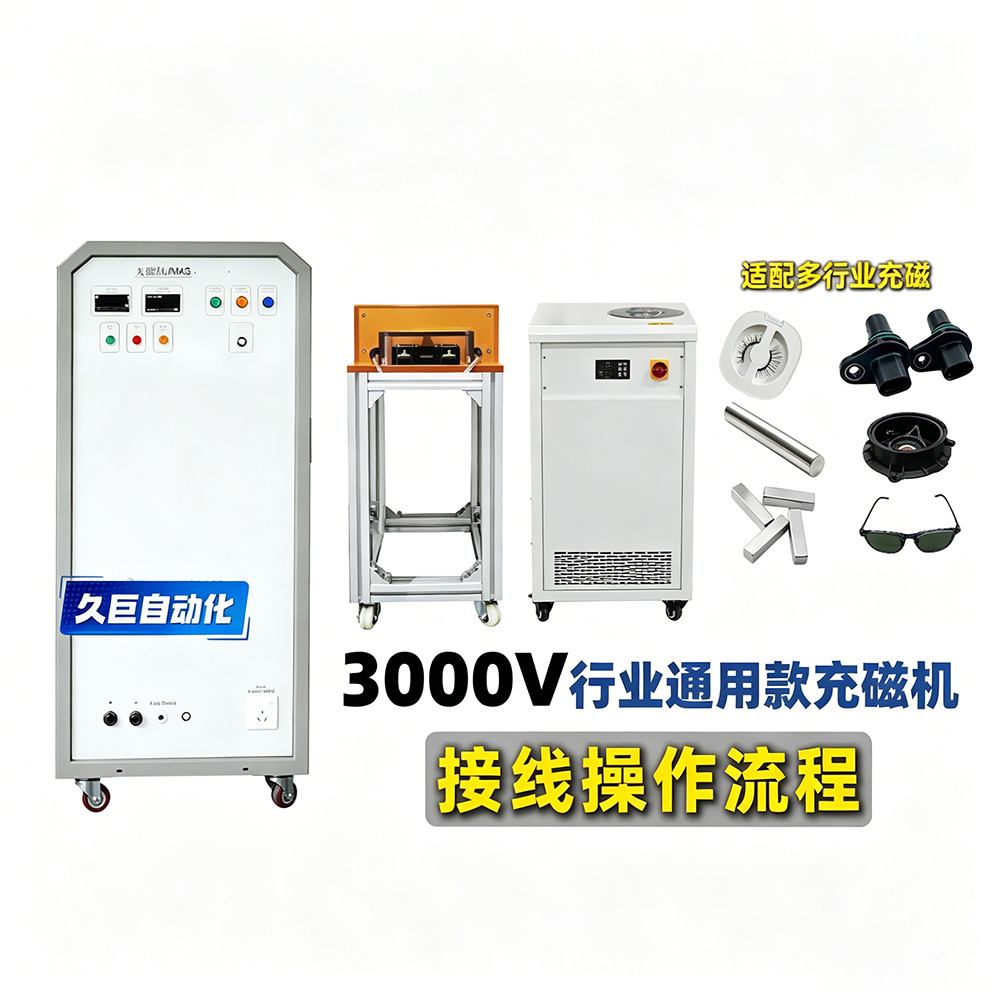
Video on the Wiring Procedure for a 3000V General-Purpose Industrial Magnetizer—Jiuju Magnetizer
Jul 2, 2026
Case video: Video on the Wiring Procedure for a 3000V G…

 English
 Chinese
 Russian
 Vietnamese
 Korean
 Thai
 French
 Spanish
 Japanese
 Hindi
 Bengali
 Portuguese