 Jiu Ju Magnetizer


Guide to Daily Maintenance of Magnetizing Equipment: 5 Key Steps to Extend Service Life
End-to-End Solution for Magnetization Automation
Automated Magnetic Charging Integrated Solution
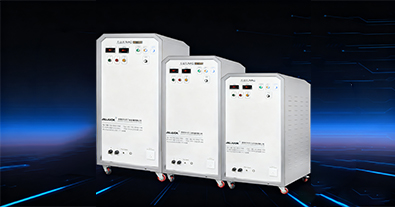
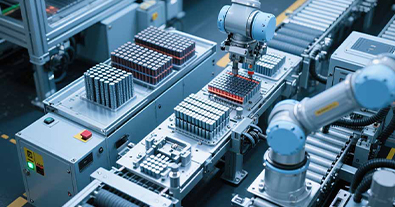
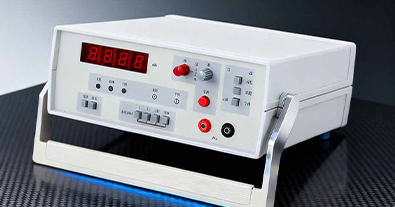
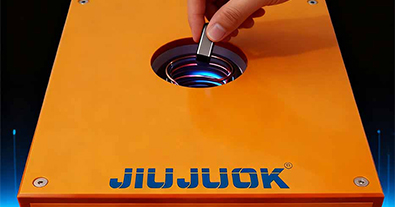
The Five-Step Method for Routine Maintenance: Magnetization equipment is the core of the production line, and any downtime due to a malfunction results in losses calculated by the hour. Implementing the following five maintenance steps ensures long-term, stable operation of the equipment. Jiuju recommends that customers incorporate maintenance checkpoints into their daily schedules to avoid unexpected downtime that could affect delivery.
Step 1: Check the capacitor bank for discharge (required daily). The capacitor bank in the pulse magnetizer is the core energy storage component. Before starting the machine each day, confirm that the capacitors are fully discharged; use a multimeter to measure the residual voltage, which should be at a safe, low level. Visually inspect the capacitor casings for signs of bulging or fluid leakage. Capacitors have a normal service life of several years; once this period has elapsed, they must be replaced in batches.

Step 2: Clean the magnetizing coils (once a week). Dust and moisture on the coil surfaces can significantly increase discharge losses and reduce magnetizing efficiency. Wipe the coil surface with anhydrous alcohol once a week and check the insulation for any damage or discoloration—these are warning signs of overheating. For multi-pole magnetizing coils, also check each pole individually to ensure the connections are not loose.
Step 3: Cooling System Inspection (once daily). Pulse magnetization and high-current discharge generate a significant amount of heat. For water-cooled systems, check the water level and inspect the piping for leaks; for air-cooled systems, clean the cooling fans and air intake filters. Be sure to record the cooling water temperature; if the temperature rises abnormally, shut down the system immediately to investigate.
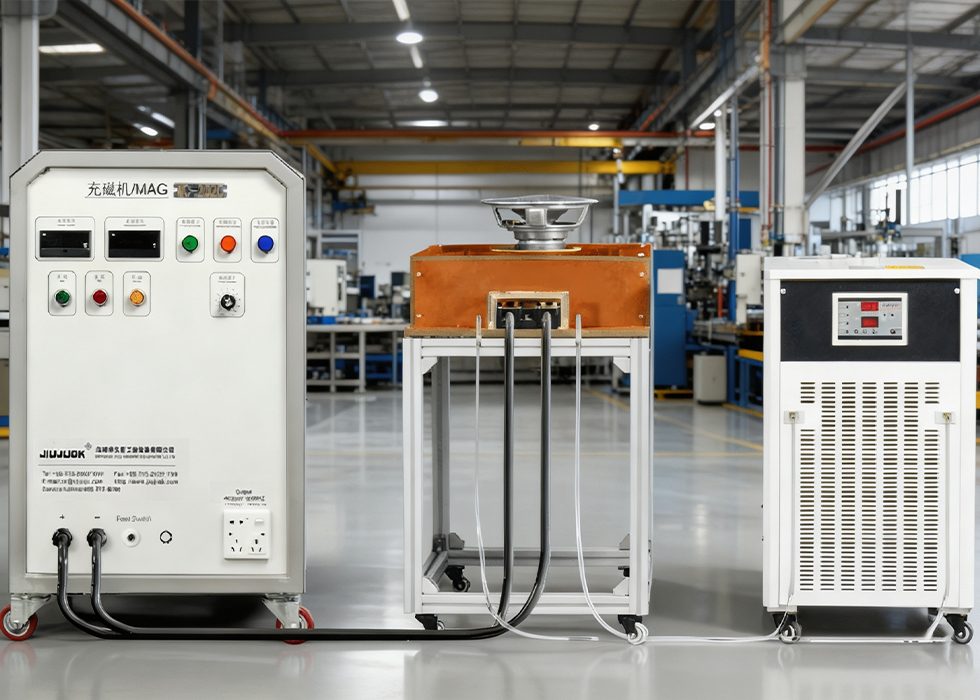
Step 4: Tighten the terminal blocks (once a month). During high-current magnetization, thermal expansion and contraction can cause the terminal blocks to loosen. Loose terminal blocks generate heat and oxidize, creating a vicious cycle. Use a torque wrench to check and tighten each one monthly.
Step 5: Perform regular calibration (once per quarter). Conduct a magnetization calibration test using a standard magnet and compare the magnetic flux data with the factory reference values. If the deviation exceeds the allowable range, investigate issues such as coil aging or capacitor attenuation and replace components in a timely manner to prevent production line downtime. Jiuju Equipment’s calibration interface adheres to open standards, making it easy for customers to integrate with their own testing stations.
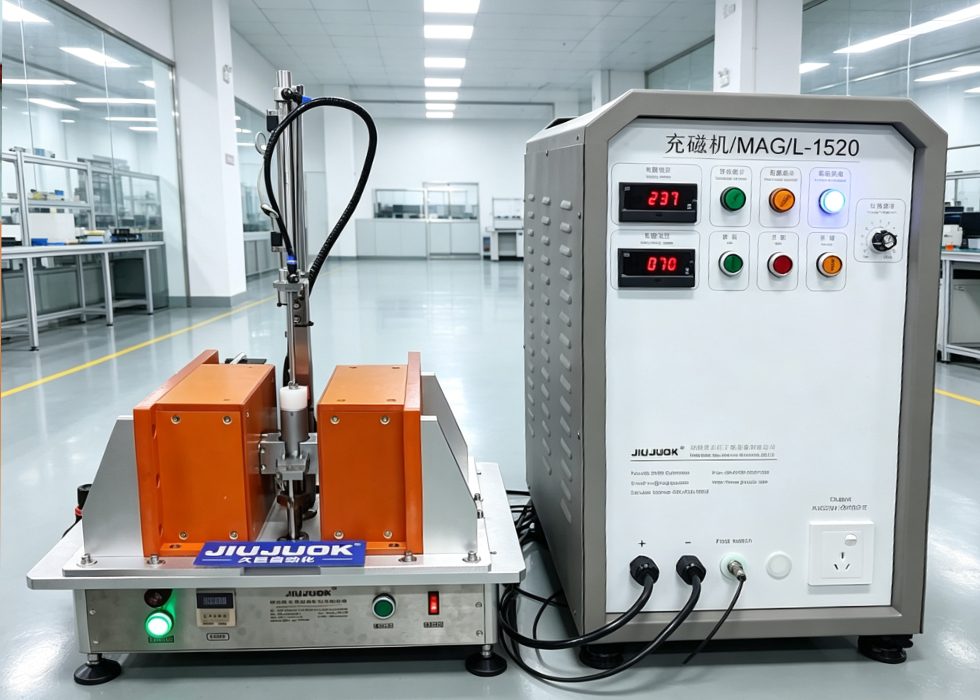
Magnetization of Magnetic Materials
3C Electronic Magnetization
Motor Rotor Magnetization
Car Speaker Magnetization
New Energy Vehicle Industry
Medical Equipment Industry
Other Industries

Jiuju Magnetization 100 Q&A: What Counts as a Defective Magnet
Nov 10, 2026
Defects in permanent magnets go beyond appearance: magn…
Magnetization 100 Q&A: Choosing the Magnet Operating Temperature
Nov 10, 2026
Operating temperature is the core constraint in magnet …

Precise Magnetization Control for AlNiCo Magnets: Case Video
Oct 30, 2026
AlNiCo magnets keep stable flux thanks to a very low te…

How NdFeB Magnets Achieve Stable Magnetism: Case Video
Oct 9, 2026
Stable NdFeB performance requires the right grade, a co…
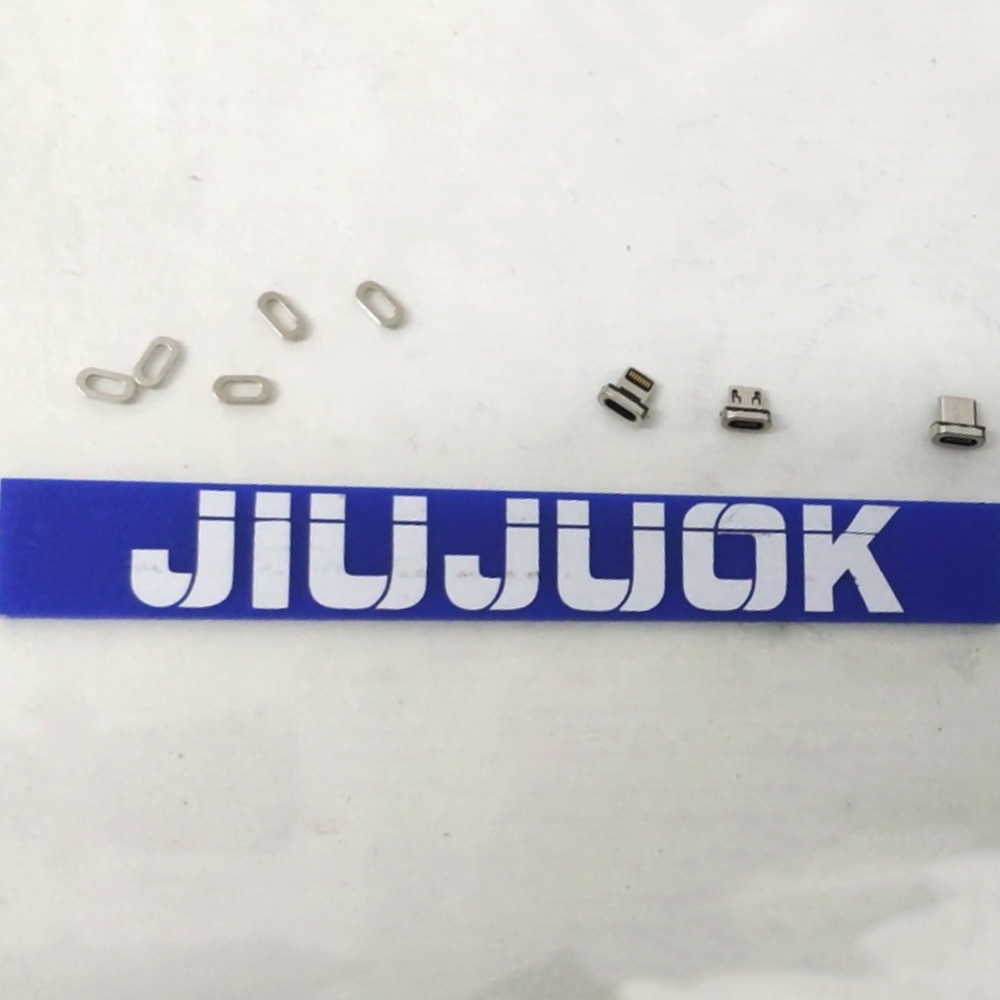
Magnetization for Magnetic Phone Chargers – Precisely Aligned with Core Magnetic Charging Processes
Nov 13, 2025
Magnetizing magnetic charging heads for phones: matchin…
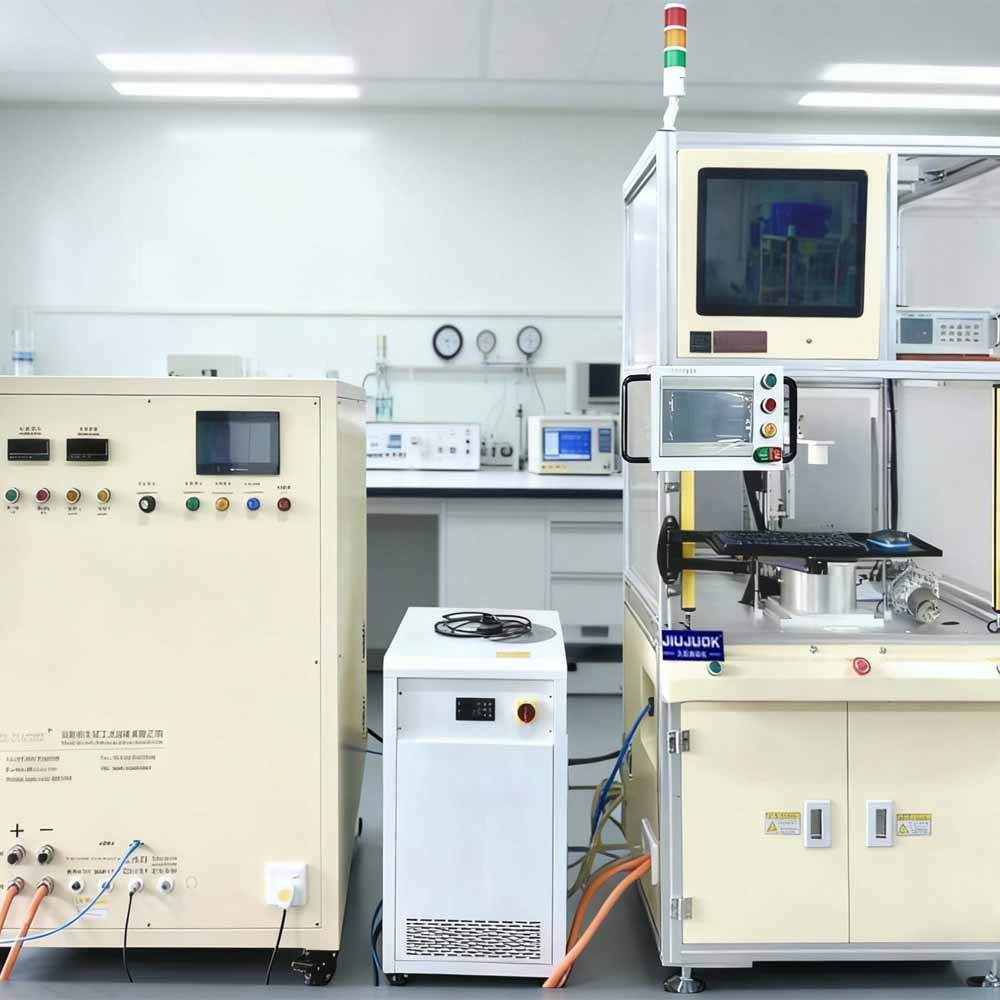
JIUJU Electronic Magnetizers: Solving Industry Pain Points and Achieving the Optimal Balance of Performance and Cost
Nov 11, 2025
The Jiuju electronic magnetizer balances performance an…
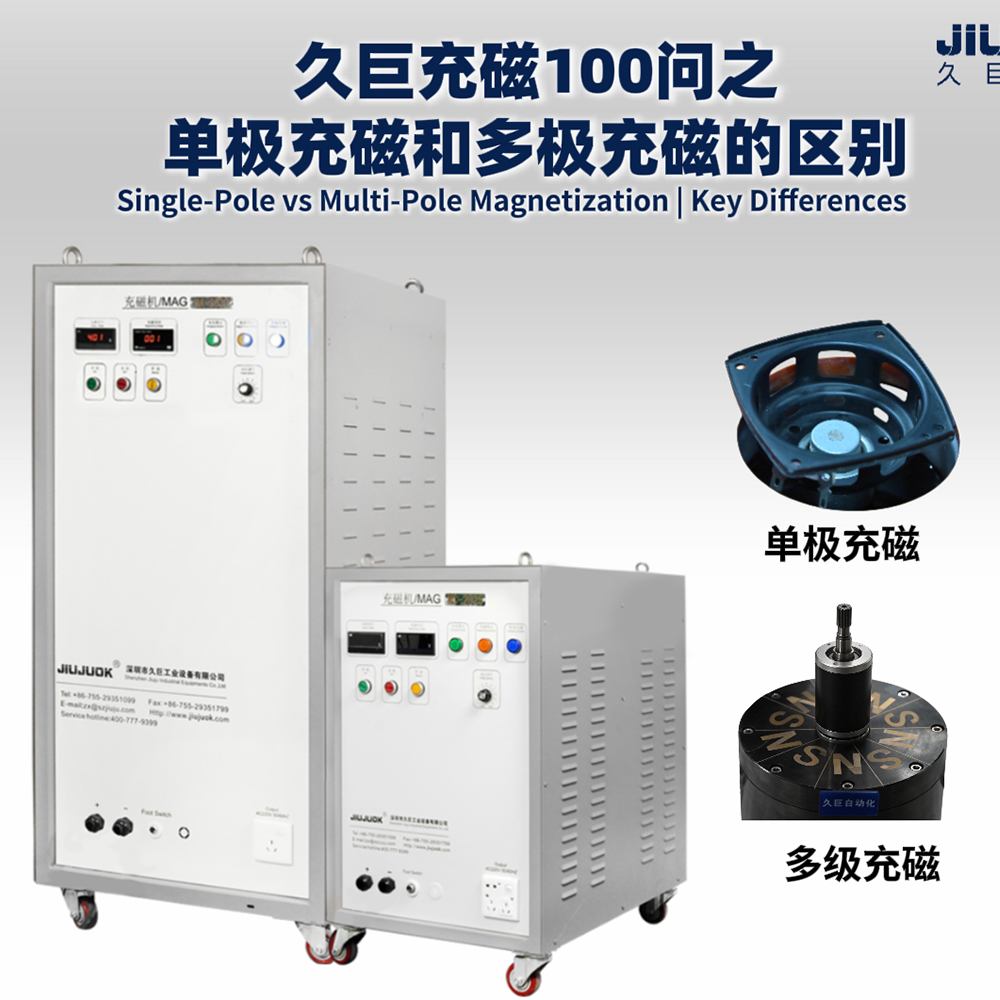
Magnetization 100 Q&A: Single-Pole vs Multi-Pole Magnetization
Nov 10, 2026
This video explains the difference between single-pole …

Video Demonstrating the Magnetization of Jiuju High-Frequency Drivers—Jiuju Magnetizer
Sep 14, 2026
Case video: Video Demonstrating the Magnetization of Ji…

Unusual Noises and Power Loss in Motors? The Root Cause Is an Uneven Magnetic Field—Jiuju Magnetizing Machine
Sep 6, 2026
Motor noise and torque loss often trace back to uneven …

Why Magnetic Field Measurement Is Essential for Mass Production Quality Control of Permanent Magnet Motors—Jiuju Magnetizing Machines
Sep 5, 2026
Why surface flux inspection is indispensable for volume…

How Critical Is Magnetization in Magnetic Switch Production?
Oct 29, 2026
In magnetic switches, magnetization controls holding fo…

Video Demonstrating Jiuju's Magnetization Process for Antique Speakers—Jiuju Magnetizer
Sep 13, 2026
Case video: Video Demonstrating Jiuju’s Magnetization P…
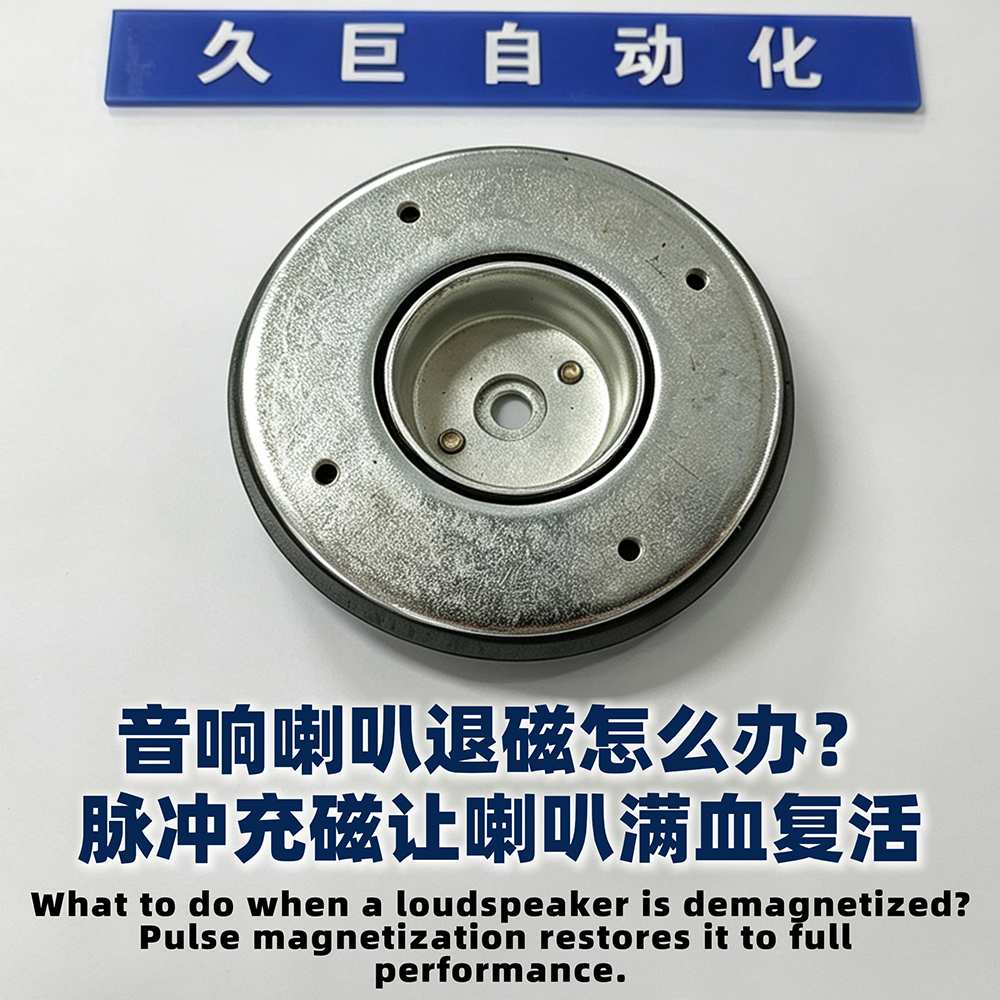
Video Demonstrating the Magnetization Process for Jiuju Speakers—Jiuju Magnetizer
Sep 10, 2026
Case video: Video Demonstrating the Magnetization Proce…

Why Does the Tip “Stick” to the Screw? A Video Explanation of Magnetization—Jiuju Magnetizing Machine
Aug 2, 2026
Case video: Why Does the Tip “Stick” to the Screw? A Vi…
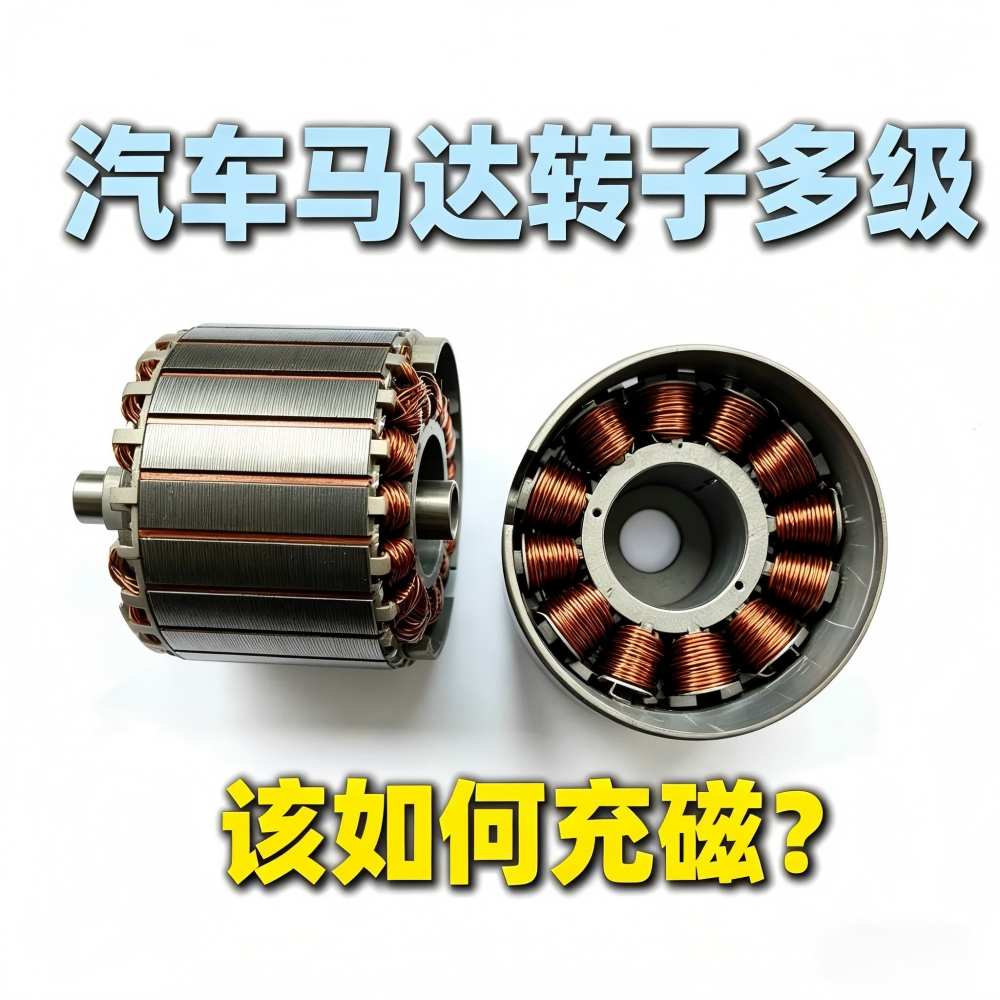
Video on Magnetizing Automotive Motor Rotors—Jiuju Magnetizing Machine
Jul 22, 2026
Case video: Video on Magnetizing Automotive Motor Rotor…

Video Case Study: Magnetizing Machine for Automotive Motor Rotors—Jiuju Magnetizing Machine
Jul 5, 2026
Case video: Video Case Study: Magnetizing Machine for A…

JIUJU Four-Station Motor Magnetizer – A Revolutionary Solution to Enhance New Energy Vehicle Motor Manufacturing Efficiency
Nov 10, 2025
The Jiuju four-station motor magnetizer improves effici…


Video Guide on How to Select a Magnetizing Machine—Jiuju Magnetizing Machines
Aug 8, 2026
Case video: Video Guide on How to Select a Magnetizing …
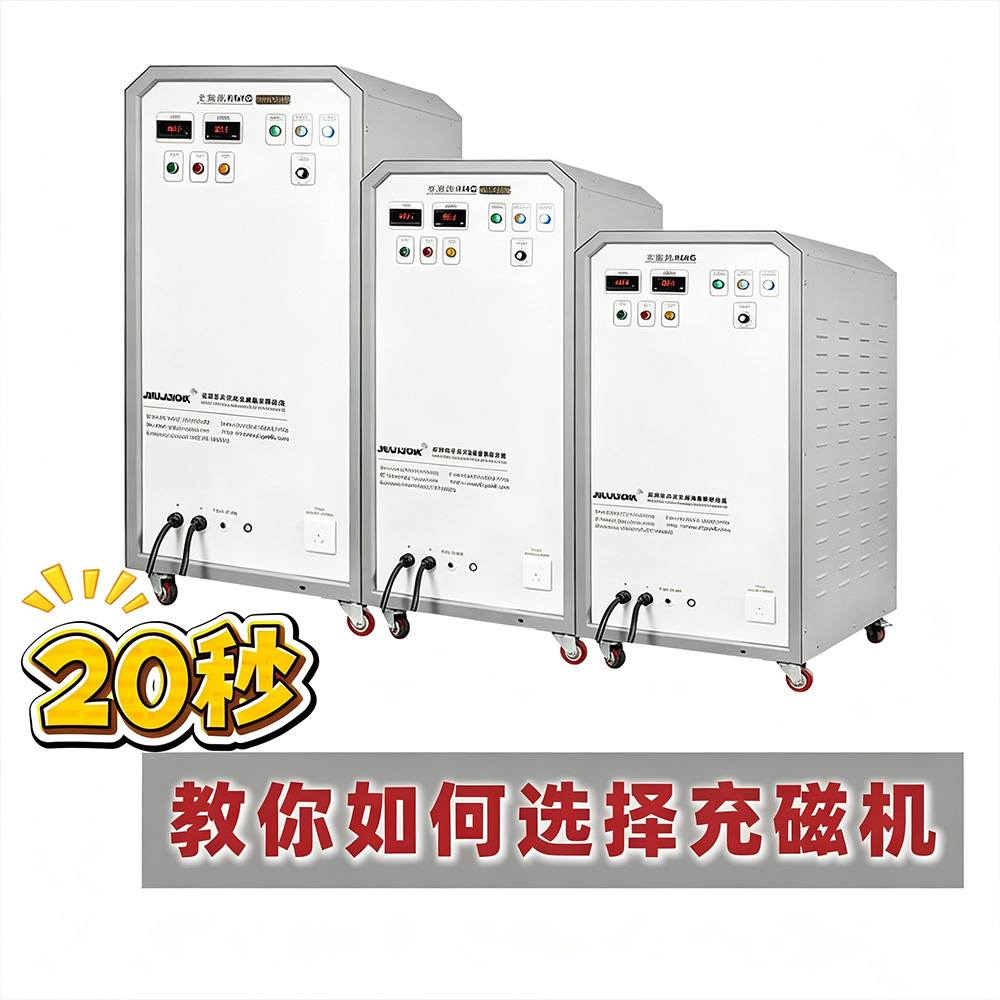
A 20-Second Video Guide on How to Choose a Magnetizing Machine—Jiuju Magnetizing Machine
Jul 21, 2026
Case video: A 20-Second Video Guide on How to Choose a …
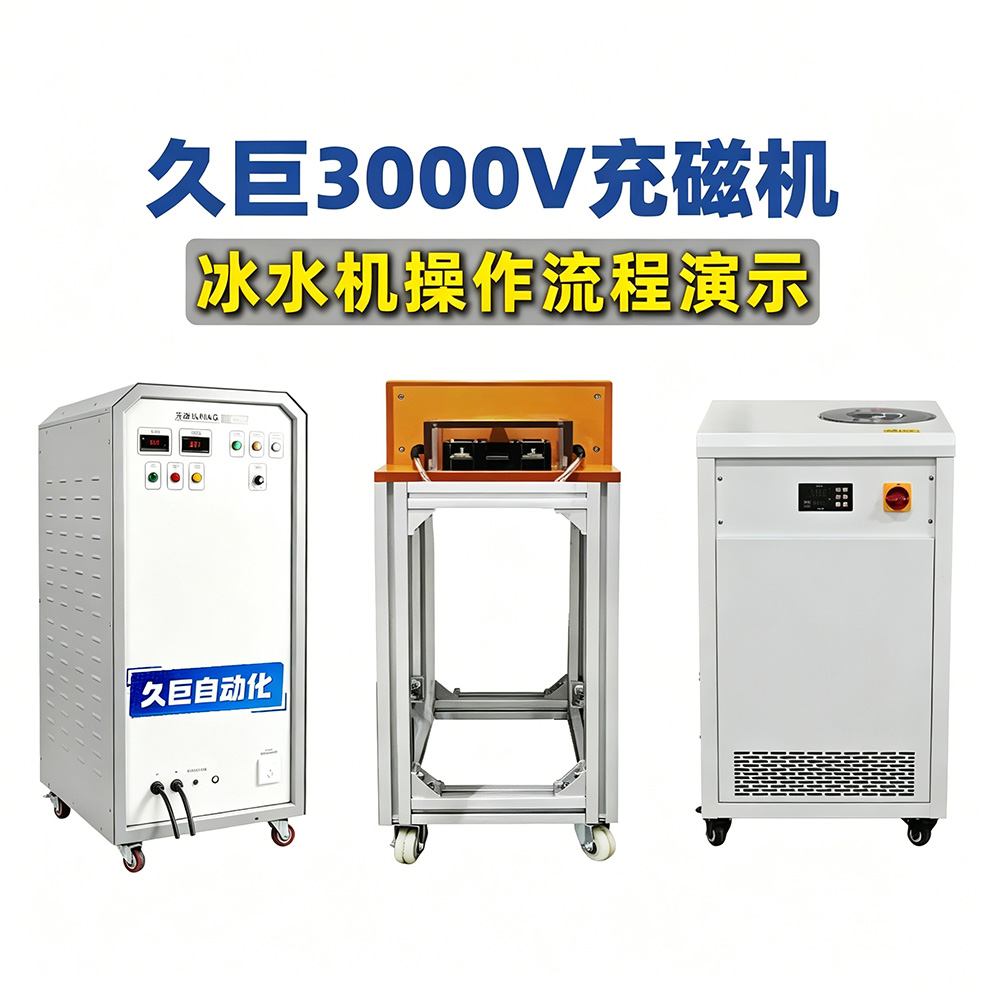
3000V Magnetizing Machine and Chiller Operation Demonstration Video—Jiuju Magnetizing Machine
Jul 3, 2026
Case video: 3000V Magnetizing Machine and Chiller Opera…
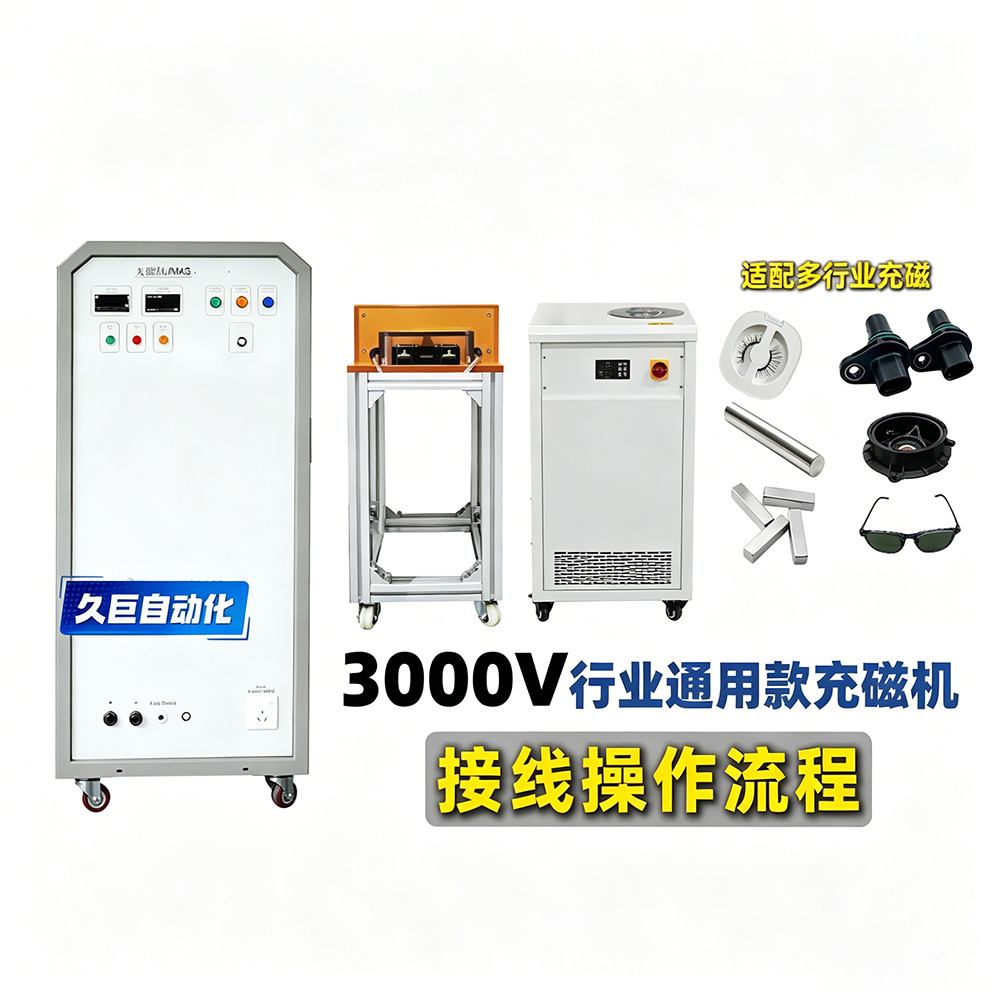
Video on the Wiring Procedure for a 3000V General-Purpose Industrial Magnetizer—Jiuju Magnetizer
Jul 2, 2026
Case video: Video on the Wiring Procedure for a 3000V G…

 English
 Chinese
 Russian
 Vietnamese
 Korean
 Thai
 French
 Spanish
 Japanese
 Hindi
 Bengali
 Portuguese