 Jiu Ju Magnetizer


Magnetization Process for NdFeB Magnetic Materials: The Three Key Factors—Temperature, Voltage, and Time
End-to-End Solution for Magnetization Automation
Automated Magnetic Charging Integrated Solution
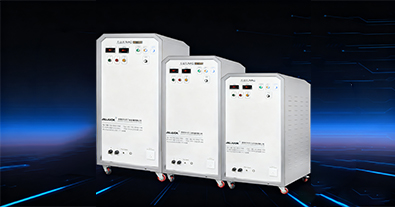
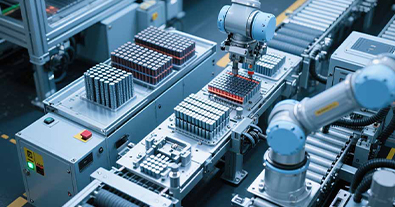
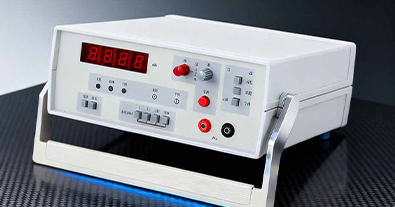
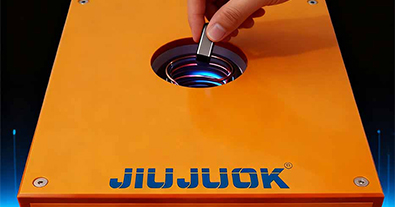
As a permanent magnet material with high coercivity, the quality of the magnetization process directly determines the final performance of neodymium-iron-boron magnets. The magnetization process is not simply a matter of applying an electric current; precise control of the three key factors—temperature, voltage, and time—is essential to ensuring full saturation magnetization and consistent magnetic performance.

Temperature is a prerequisite for magnetization. Neodymium-iron-boron magnets are sensitive to temperature; excessively high ambient temperatures can reduce the material’s coercive force. If the Joule heat generated by high instantaneous currents during magnetization cannot be dissipated in a timely manner, it may cause localized temperature rises in the magnets to exceed safe limits, leading to irreversible demagnetization. Before magnetization, ensure that the magnets are at room temperature, avoid working in high-temperature environments, and control the magnetization frequency to prevent the equipment and workpieces from overheating continuously.
The voltage determines the output magnetizing energy. Magnetizing equipment stores energy in capacitors and discharges it; the charging voltage directly determines the discharge energy and the peak magnetic field strength. Saturation magnetization of neodymium-iron-boron magnets requires a magnetic field strength of 3 to 5 times their coercive force. If the voltage is too low, magnetization will be incomplete, resulting in residual magnetism and magnetic energy product that fall short of specifications; if the voltage is too high, it will cause energy waste and may also damage the magnets and the equipment’s insulation. The required voltage varies significantly depending on the grade and size of the neodymium-iron-boron magnets and must be precisely set according to the material parameters.

Time affects the magnetization effect and efficiency. This involves two factors: charging time and pulse duration. Insufficient charging time prevents the capacitor from reaching the set energy storage level, resulting in lower actual discharge energy; the discharge pulse duration must match the magnetization response characteristics of the magnet; if it is too short, the magnetic domains will not flip sufficiently, and if it is too long, thermal losses will increase. In multi-pole magnetization scenarios, precise control of the pulse timing also directly affects the uniformity of the magnetic field across each pole.
Stable saturation magnetization can only be achieved through the coordinated control of these three key factors. Jiuju magnetization equipment is equipped with high-precision voltage regulation and pulse timing control modules that can adjust process parameters based on the grade, size, and number of poles of the neodymium-iron-boron magnets, They also integrate temperature monitoring and over-temperature protection functions, and feature real-time magnetic field measurement to verify magnetization results, providing stable and reliable process equipment support for the large-scale magnetization of neodymium-iron-boron magnetic materials.
Magnetization of Magnetic Materials
3C Electronic Magnetization
Motor Rotor Magnetization
Car Speaker Magnetization
New Energy Vehicle Industry
Medical Equipment Industry
Other Industries

Jiuju Magnetization 100 Q&A: What Counts as a Defective Magnet
Nov 10, 2026
Defects in permanent magnets go beyond appearance: magn…
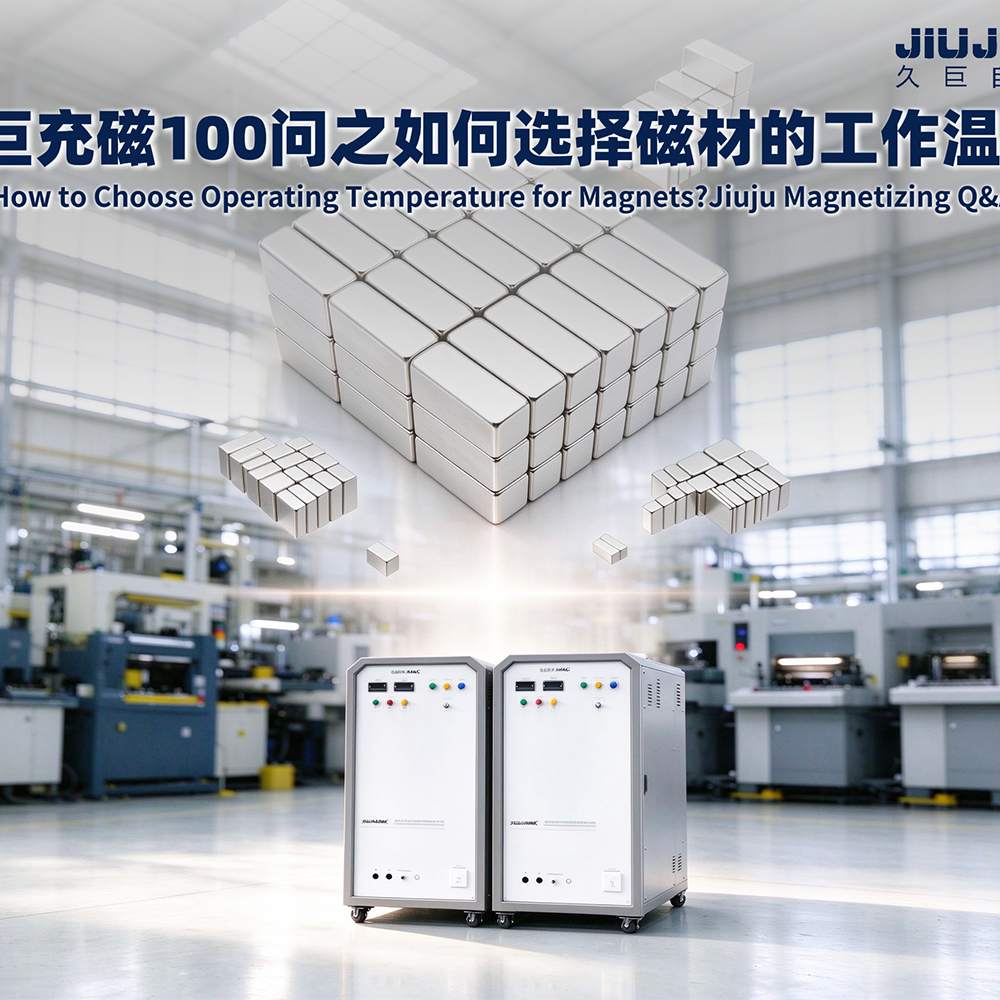
Magnetization 100 Q&A: Choosing the Magnet Operating Temperature
Nov 10, 2026
Operating temperature is the core constraint in magnet …

Precise Magnetization Control for AlNiCo Magnets: Case Video
Oct 30, 2026
AlNiCo magnets keep stable flux thanks to a very low te…

How NdFeB Magnets Achieve Stable Magnetism: Case Video
Oct 9, 2026
Stable NdFeB performance requires the right grade, a co…
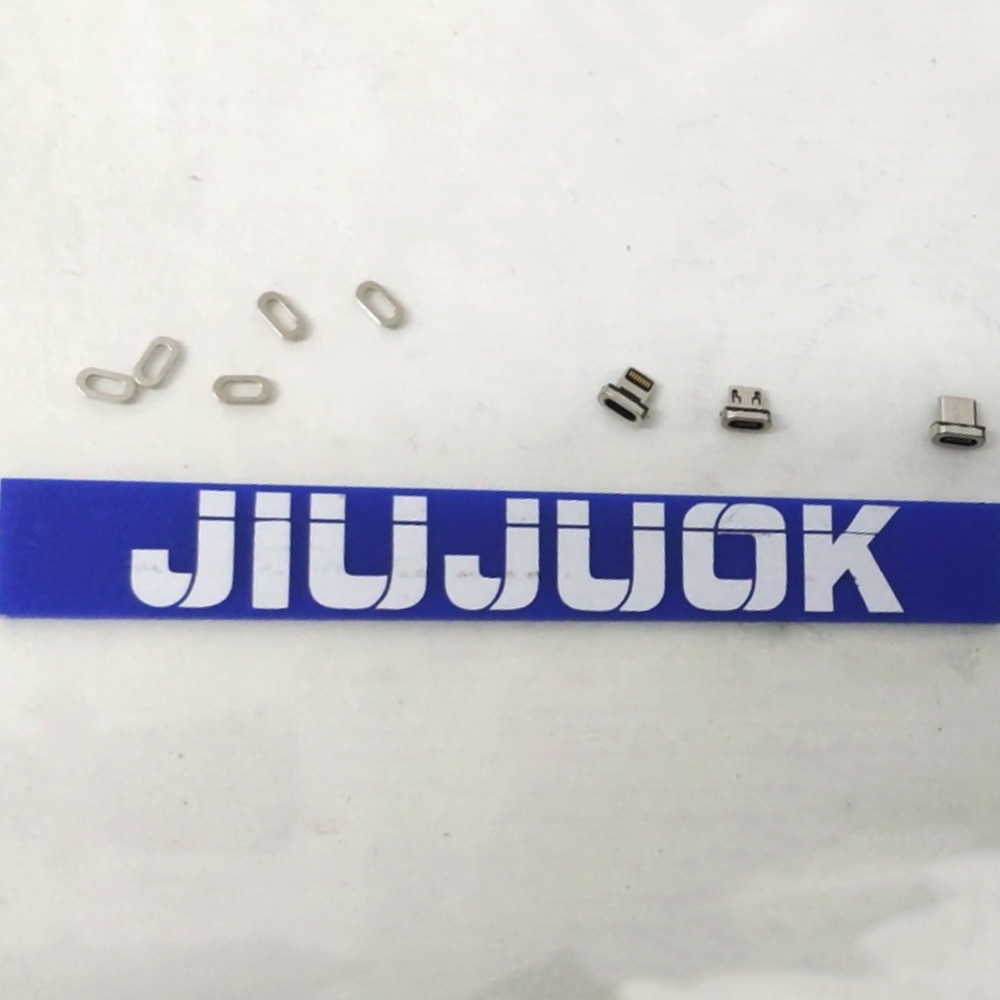
Magnetization for Magnetic Phone Chargers – Precisely Aligned with Core Magnetic Charging Processes
Nov 13, 2025
Magnetizing magnetic charging heads for phones: matchin…
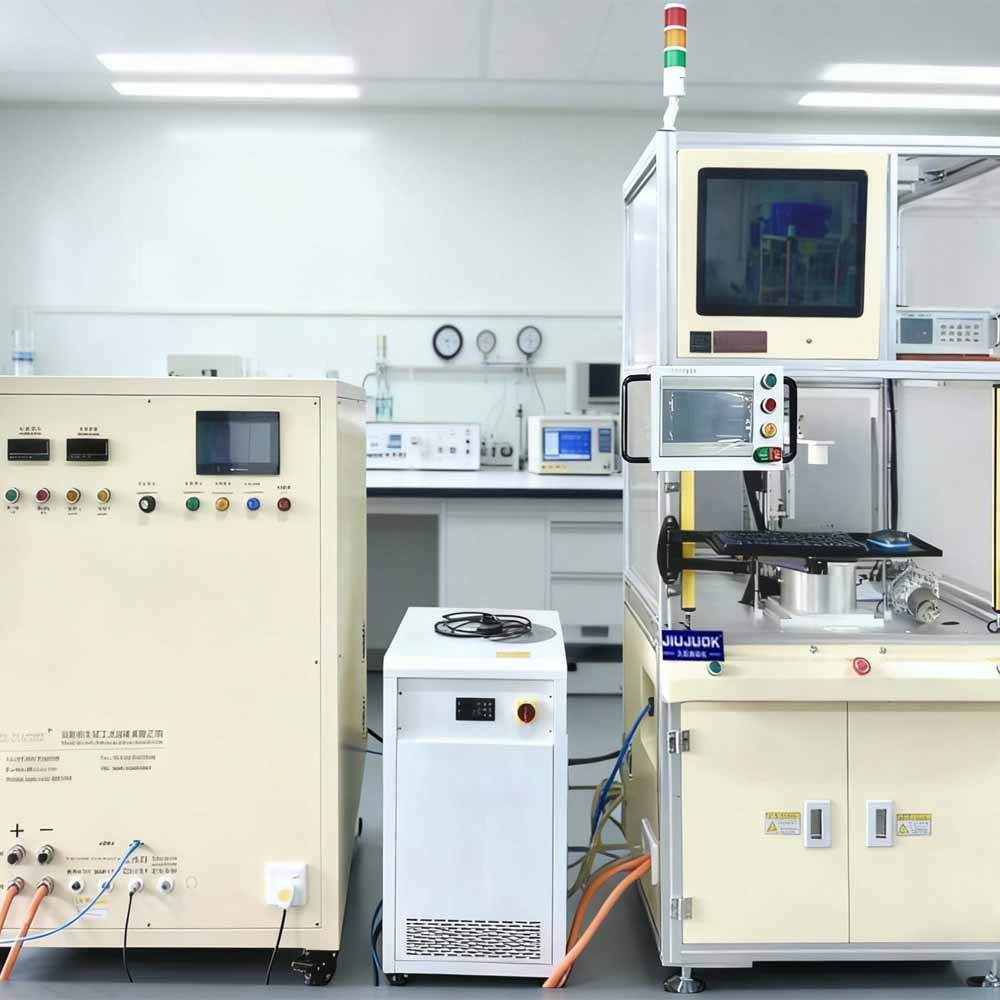
JIUJU Electronic Magnetizers: Solving Industry Pain Points and Achieving the Optimal Balance of Performance and Cost
Nov 11, 2025
The Jiuju electronic magnetizer balances performance an…
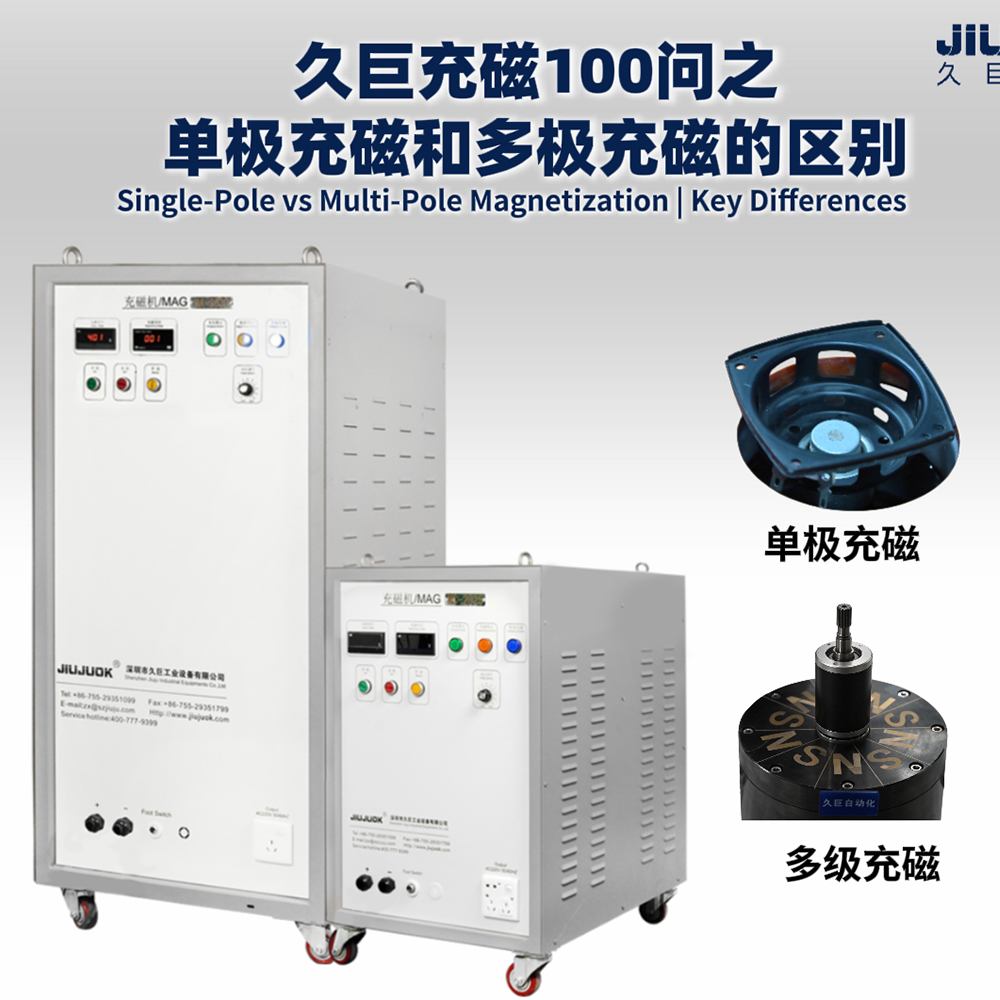
Magnetization 100 Q&A: Single-Pole vs Multi-Pole Magnetization
Nov 10, 2026
This video explains the difference between single-pole …

Video Demonstrating the Magnetization of Jiuju High-Frequency Drivers—Jiuju Magnetizer
Sep 14, 2026
Case video: Video Demonstrating the Magnetization of Ji…

Unusual Noises and Power Loss in Motors? The Root Cause Is an Uneven Magnetic Field—Jiuju Magnetizing Machine
Sep 6, 2026
Motor noise and torque loss often trace back to uneven …

Why Magnetic Field Measurement Is Essential for Mass Production Quality Control of Permanent Magnet Motors—Jiuju Magnetizing Machines
Sep 5, 2026
Why surface flux inspection is indispensable for volume…

How Critical Is Magnetization in Magnetic Switch Production?
Oct 29, 2026
In magnetic switches, magnetization controls holding fo…

Video Demonstrating Jiuju's Magnetization Process for Antique Speakers—Jiuju Magnetizer
Sep 13, 2026
Case video: Video Demonstrating Jiuju’s Magnetization P…
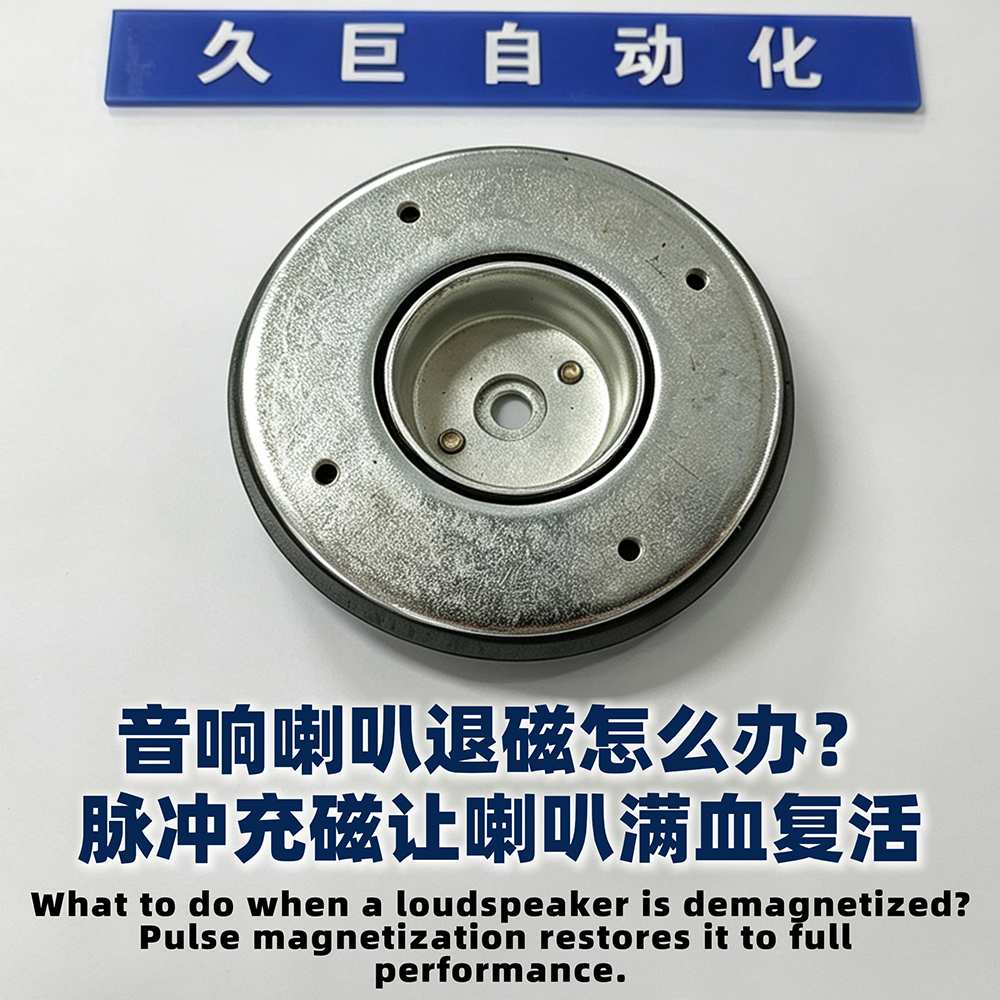
Video Demonstrating the Magnetization Process for Jiuju Speakers—Jiuju Magnetizer
Sep 10, 2026
Case video: Video Demonstrating the Magnetization Proce…

Why Does the Tip “Stick” to the Screw? A Video Explanation of Magnetization—Jiuju Magnetizing Machine
Aug 2, 2026
Case video: Why Does the Tip “Stick” to the Screw? A Vi…
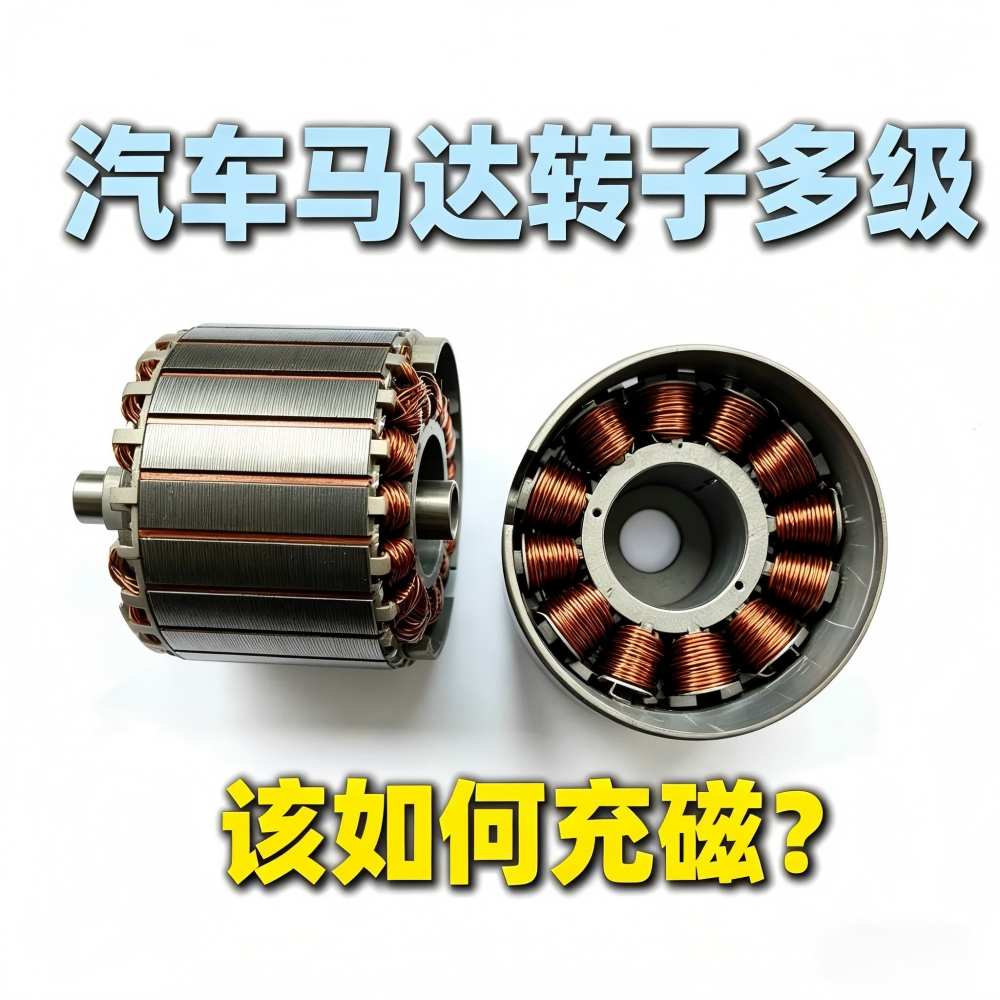
Video on Magnetizing Automotive Motor Rotors—Jiuju Magnetizing Machine
Jul 22, 2026
Case video: Video on Magnetizing Automotive Motor Rotor…

Video Case Study: Magnetizing Machine for Automotive Motor Rotors—Jiuju Magnetizing Machine
Jul 5, 2026
Case video: Video Case Study: Magnetizing Machine for A…

JIUJU Four-Station Motor Magnetizer – A Revolutionary Solution to Enhance New Energy Vehicle Motor Manufacturing Efficiency
Nov 10, 2025
The Jiuju four-station motor magnetizer improves effici…


Video Guide on How to Select a Magnetizing Machine—Jiuju Magnetizing Machines
Aug 8, 2026
Case video: Video Guide on How to Select a Magnetizing …
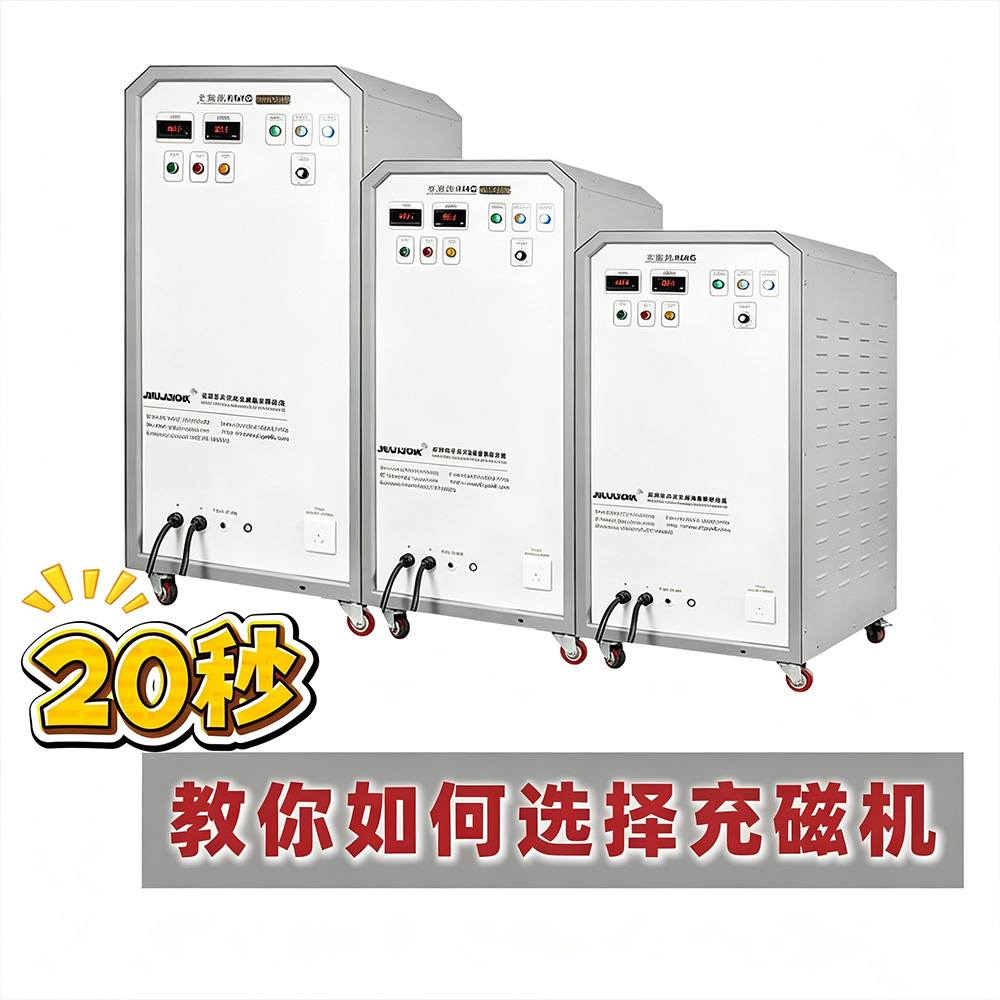
A 20-Second Video Guide on How to Choose a Magnetizing Machine—Jiuju Magnetizing Machine
Jul 21, 2026
Case video: A 20-Second Video Guide on How to Choose a …
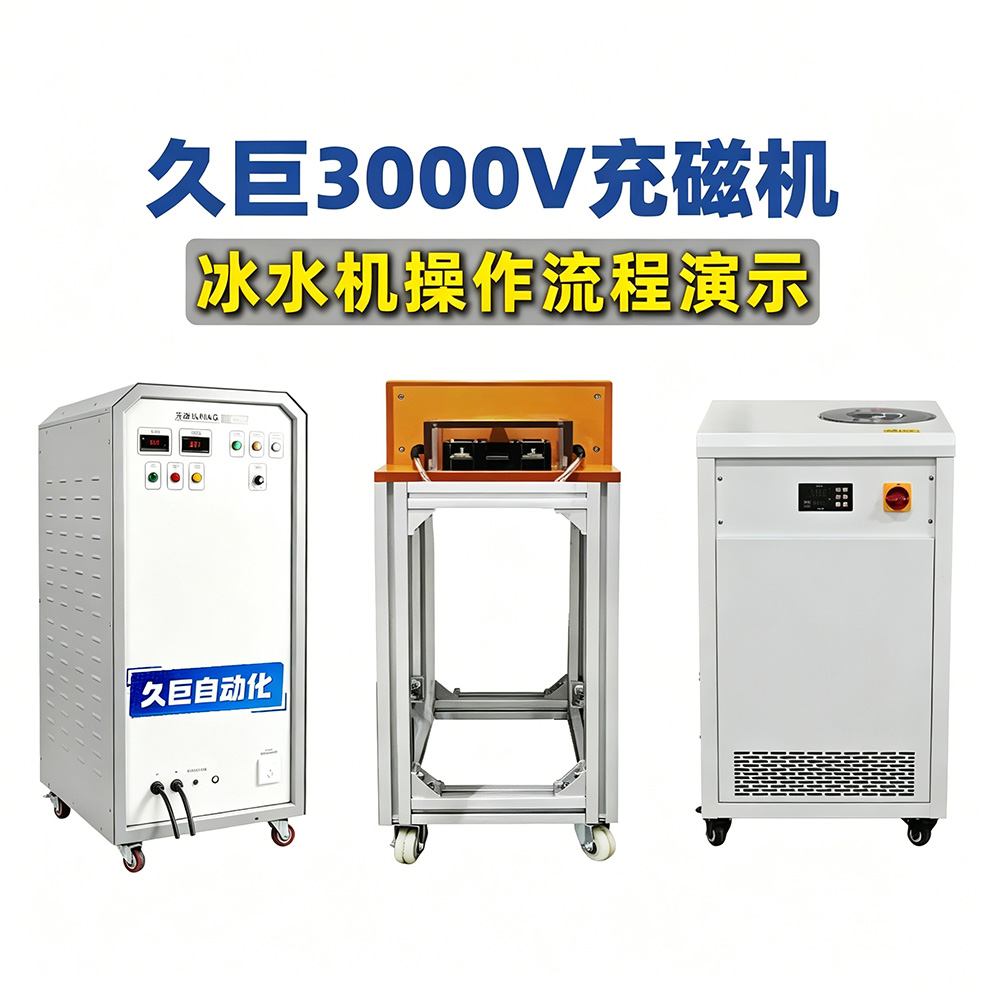
3000V Magnetizing Machine and Chiller Operation Demonstration Video—Jiuju Magnetizing Machine
Jul 3, 2026
Case video: 3000V Magnetizing Machine and Chiller Opera…
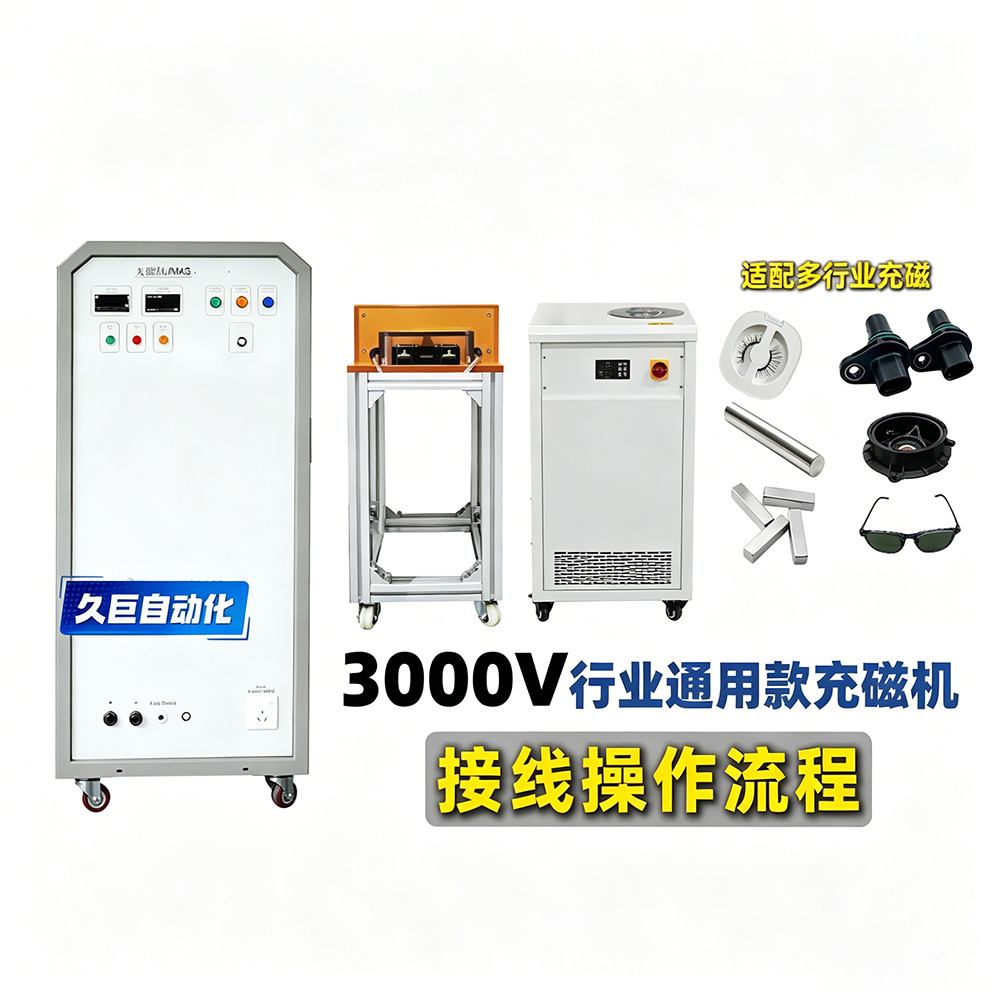
Video on the Wiring Procedure for a 3000V General-Purpose Industrial Magnetizer—Jiuju Magnetizer
Jul 2, 2026
Case video: Video on the Wiring Procedure for a 3000V G…

 English
 Chinese
 Russian
 Vietnamese
 Korean
 Thai
 French
 Spanish
 Japanese
 Hindi
 Bengali
 Portuguese