 Jiu Ju Magnetizer


How should one choose between pulse magnetization and DC magnetization in the production of magnetic materials?
End-to-End Solution for Magnetization Automation
Automated Magnetic Charging Integrated Solution
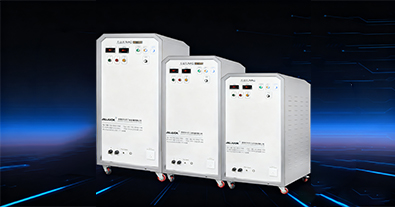
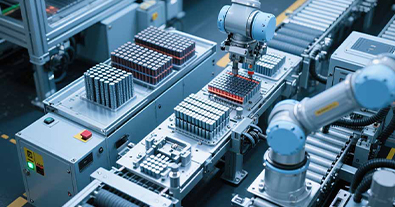
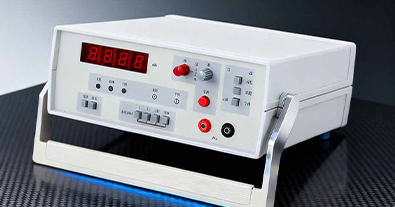
The fundamental difference between pulse magnetization and DC magnetization: The former relies on capacitors to instantly release tens of thousands of amperes of current to generate a strong pulsed magnetic field, while the latter relies on electromagnets that are continuously energized to maintain a stable magnetic field. This difference results in distinctly different applications for the two methods in the production of magnetic materials.

In terms of magnetizing strength, peak values in pulsed magnetic fields can reach 3–10 T, whereas DC fields are generally limited to no more than 2 T due to core saturation. For neodymium-iron-boron and samarium-cobalt magnets with coercive forces exceeding 800 kA/m, DC fields simply cannot saturate them. This is why pulsed equipment is used almost exclusively in the rare-earth permanent magnet industry. The suitability of magnetic materials is the key distinguishing factor. Pulsed magnetization covers the full range of neodymium-iron-boron, samarium-cobalt, and bonded magnets, while DC magnetization is only suitable for low-coercive-force materials such as ferrites and aluminum-nickel-cobalt alloys. If a production line uses both types of magnetic materials, pulse power should be prioritized, as it can be made compatible through parameter adjustments.

There is a significant difference in magnetization speed. A single pulse takes less than 0.5 seconds, making it suitable for high-volume continuous production; DC magnetization takes several seconds to tens of seconds, resulting in a speed difference of more than 10 times. Based on a daily production capacity of 20,000 units, a single pulse magnetizing unit is sufficient, whereas DC magnetizing requires multiple units connected in parallel. In terms of energy efficiency, although pulse magnetizing has high instantaneous power, its energy consumption per cycle is low, resulting in an overall energy efficiency 30%–50% higher than that of DC magnetizing. Jiuju’s pulse magnetization equipment utilizes an energy recovery circuit that returns residual electrical energy to the capacitors after each discharge, further reducing actual power consumption by approximately 15%. While the initial investment in pulse equipment is higher, factoring in production capacity and energy consumption, the cost difference can be recouped within 2–3 years in high-volume production scenarios.

The selection recommendation is simple: if your production line uses neodymium-iron-boron or samarium-cobalt magnets, choose the pulse option. For production lines using pure ferrite, or those with limited budgets and low production capacity, DC is sufficient. Jiuju Automation offers mature products for both technical approaches; our pulse systems cover the full voltage range from 3 to 10 kV, and pulse coils and cooling systems can be customized based on the magnetic material and production capacity.
Magnetization of Magnetic Materials
3C Electronic Magnetization
Motor Rotor Magnetization
Car Speaker Magnetization
New Energy Vehicle Industry
Medical Equipment Industry
Other Industries

Jiuju Magnetization 100 Q&A: What Counts as a Defective Magnet
Nov 10, 2026
Defects in permanent magnets go beyond appearance: magn…
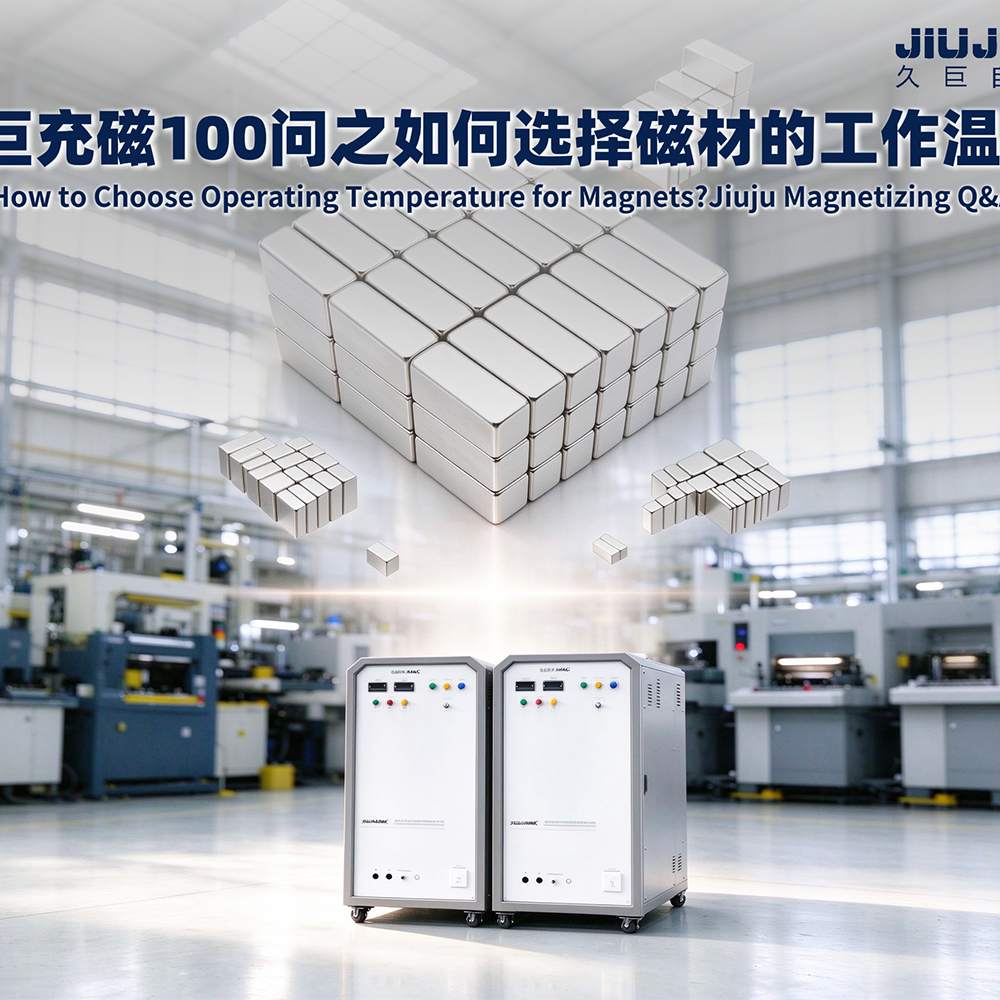
Magnetization 100 Q&A: Choosing the Magnet Operating Temperature
Nov 10, 2026
Operating temperature is the core constraint in magnet …

Precise Magnetization Control for AlNiCo Magnets: Case Video
Oct 30, 2026
AlNiCo magnets keep stable flux thanks to a very low te…

How NdFeB Magnets Achieve Stable Magnetism: Case Video
Oct 9, 2026
Stable NdFeB performance requires the right grade, a co…
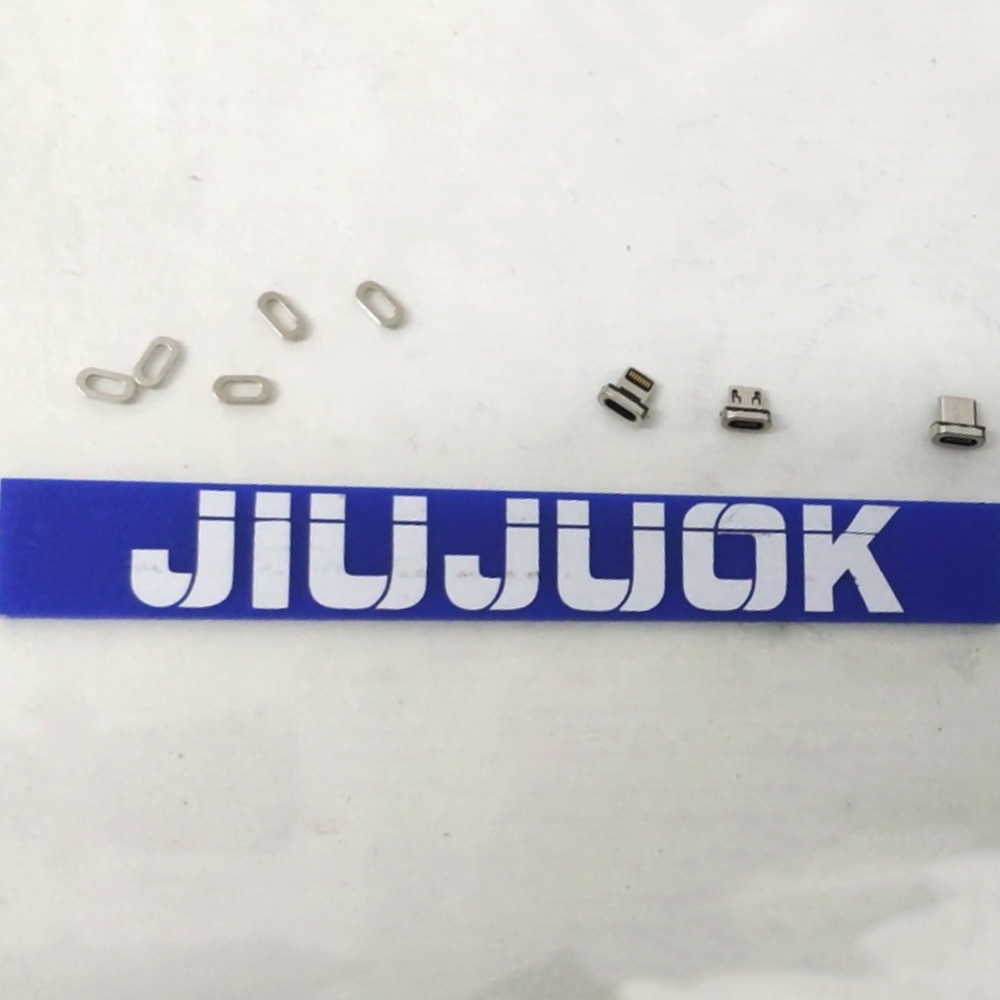
Magnetization for Magnetic Phone Chargers – Precisely Aligned with Core Magnetic Charging Processes
Nov 13, 2025
Magnetizing magnetic charging heads for phones: matchin…
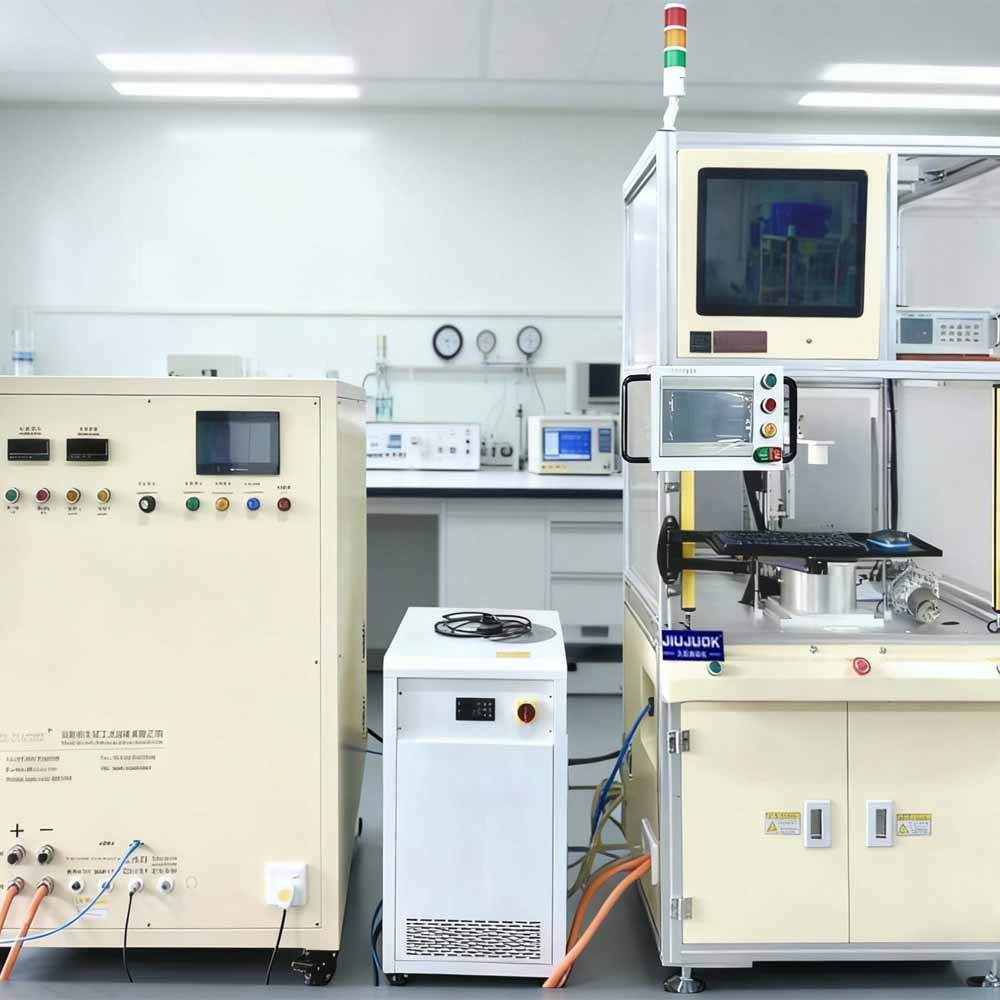
JIUJU Electronic Magnetizers: Solving Industry Pain Points and Achieving the Optimal Balance of Performance and Cost
Nov 11, 2025
The Jiuju electronic magnetizer balances performance an…
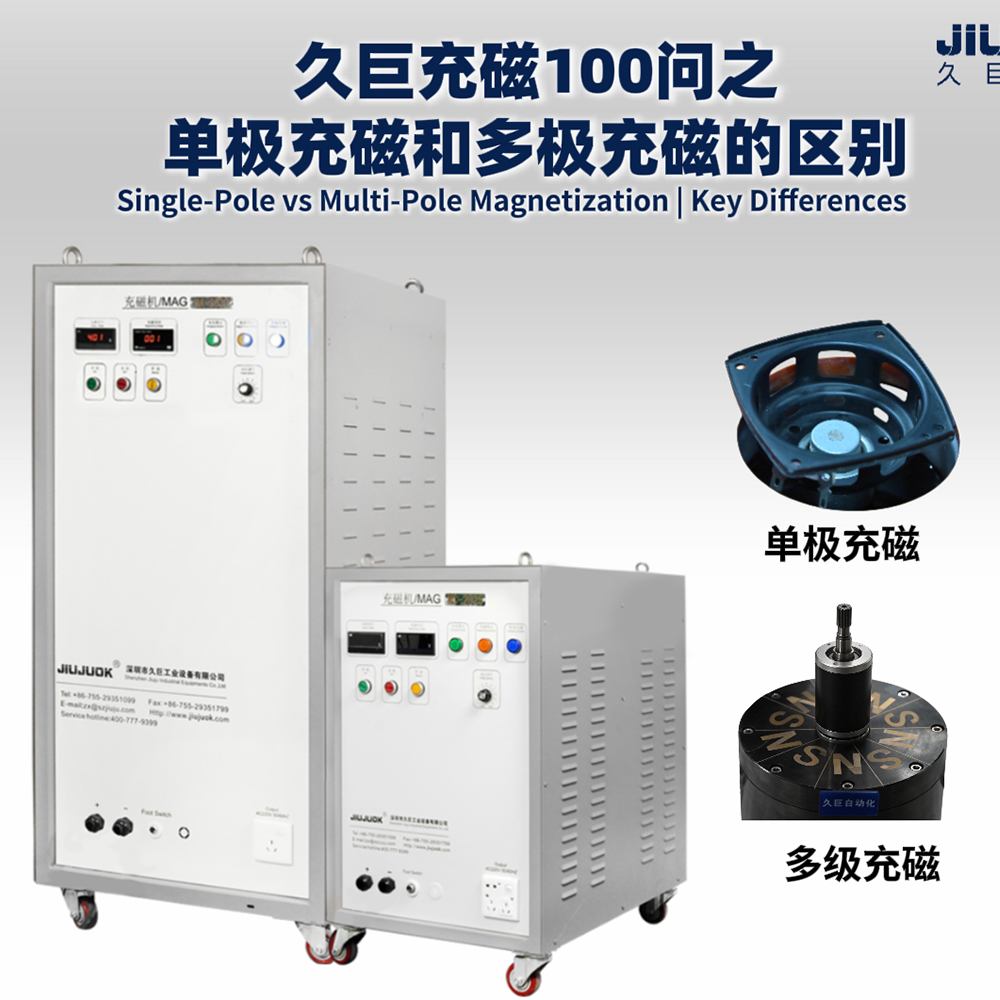
Magnetization 100 Q&A: Single-Pole vs Multi-Pole Magnetization
Nov 10, 2026
This video explains the difference between single-pole …

Video Demonstrating the Magnetization of Jiuju High-Frequency Drivers—Jiuju Magnetizer
Sep 14, 2026
Case video: Video Demonstrating the Magnetization of Ji…

Unusual Noises and Power Loss in Motors? The Root Cause Is an Uneven Magnetic Field—Jiuju Magnetizing Machine
Sep 6, 2026
Motor noise and torque loss often trace back to uneven …

Why Magnetic Field Measurement Is Essential for Mass Production Quality Control of Permanent Magnet Motors—Jiuju Magnetizing Machines
Sep 5, 2026
Why surface flux inspection is indispensable for volume…

How Critical Is Magnetization in Magnetic Switch Production?
Oct 29, 2026
In magnetic switches, magnetization controls holding fo…

Video Demonstrating Jiuju's Magnetization Process for Antique Speakers—Jiuju Magnetizer
Sep 13, 2026
Case video: Video Demonstrating Jiuju’s Magnetization P…
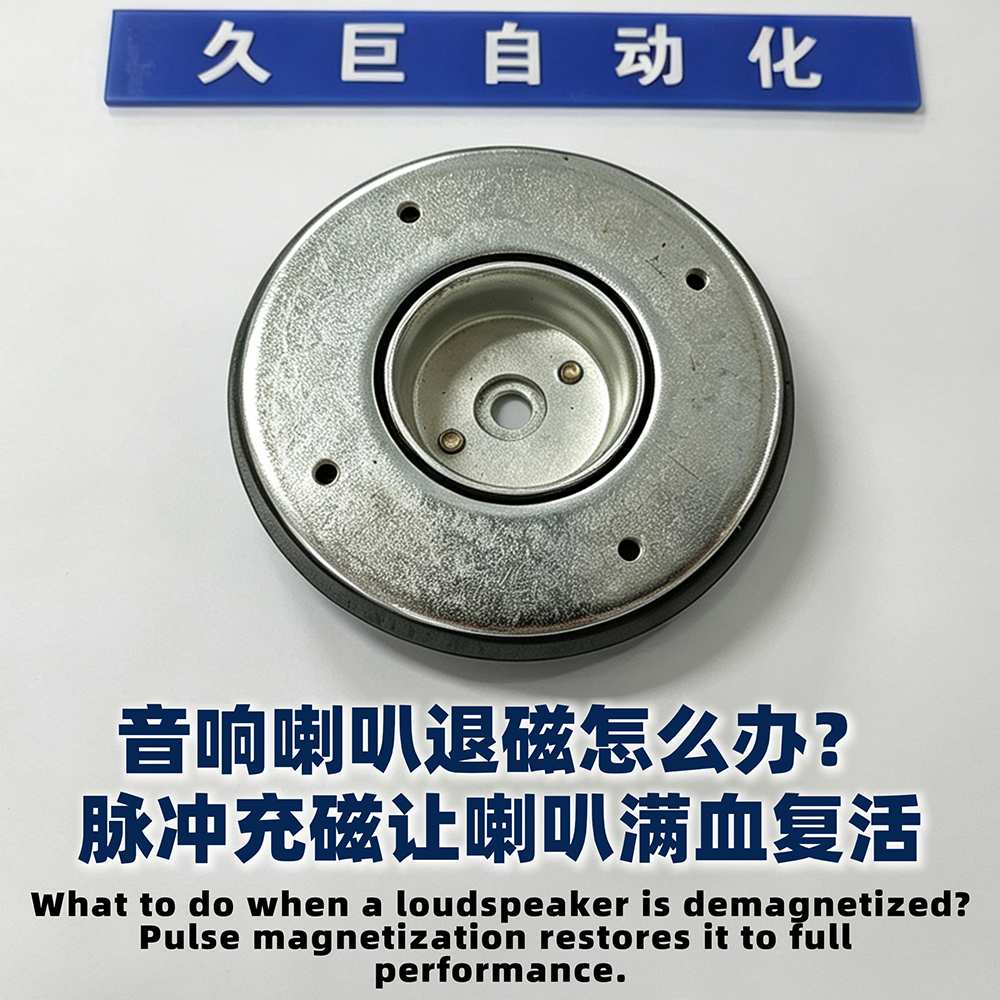
Video Demonstrating the Magnetization Process for Jiuju Speakers—Jiuju Magnetizer
Sep 10, 2026
Case video: Video Demonstrating the Magnetization Proce…

Why Does the Tip “Stick” to the Screw? A Video Explanation of Magnetization—Jiuju Magnetizing Machine
Aug 2, 2026
Case video: Why Does the Tip “Stick” to the Screw? A Vi…
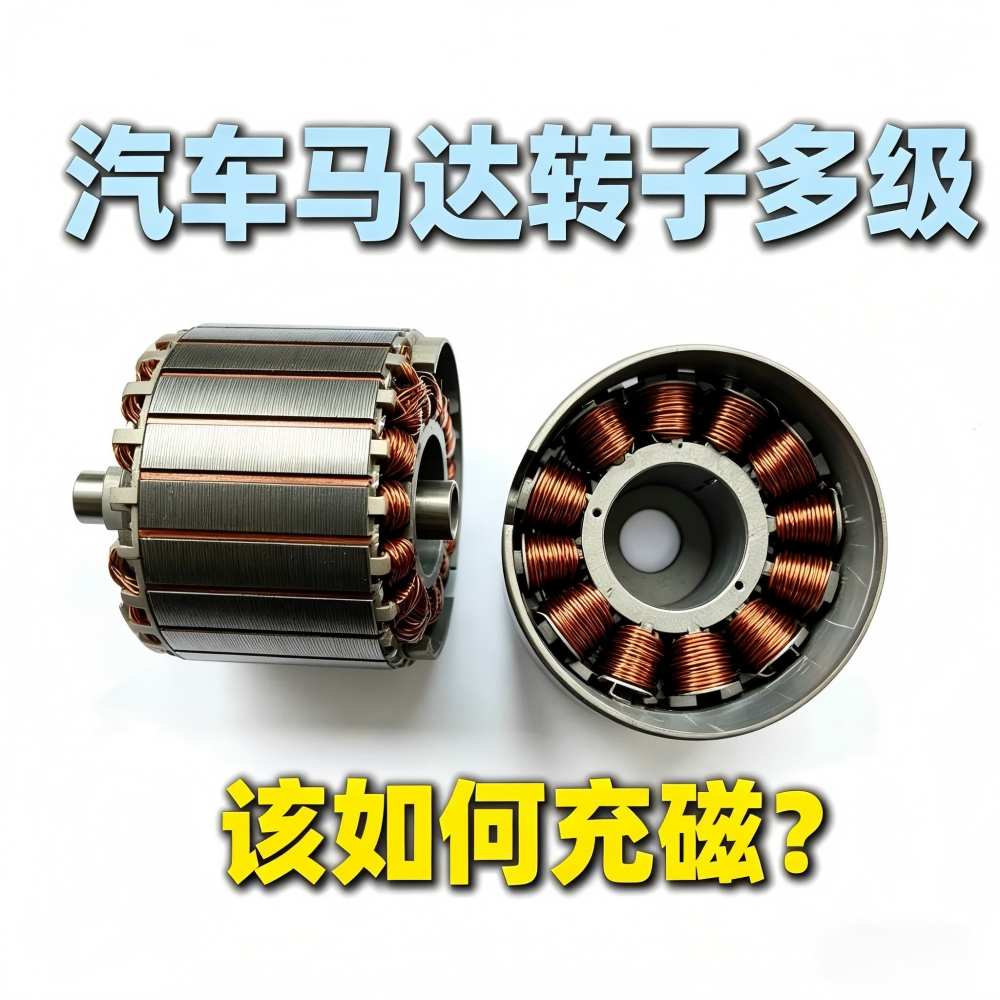
Video on Magnetizing Automotive Motor Rotors—Jiuju Magnetizing Machine
Jul 22, 2026
Case video: Video on Magnetizing Automotive Motor Rotor…

Video Case Study: Magnetizing Machine for Automotive Motor Rotors—Jiuju Magnetizing Machine
Jul 5, 2026
Case video: Video Case Study: Magnetizing Machine for A…

JIUJU Four-Station Motor Magnetizer – A Revolutionary Solution to Enhance New Energy Vehicle Motor Manufacturing Efficiency
Nov 10, 2025
The Jiuju four-station motor magnetizer improves effici…


Video Guide on How to Select a Magnetizing Machine—Jiuju Magnetizing Machines
Aug 8, 2026
Case video: Video Guide on How to Select a Magnetizing …
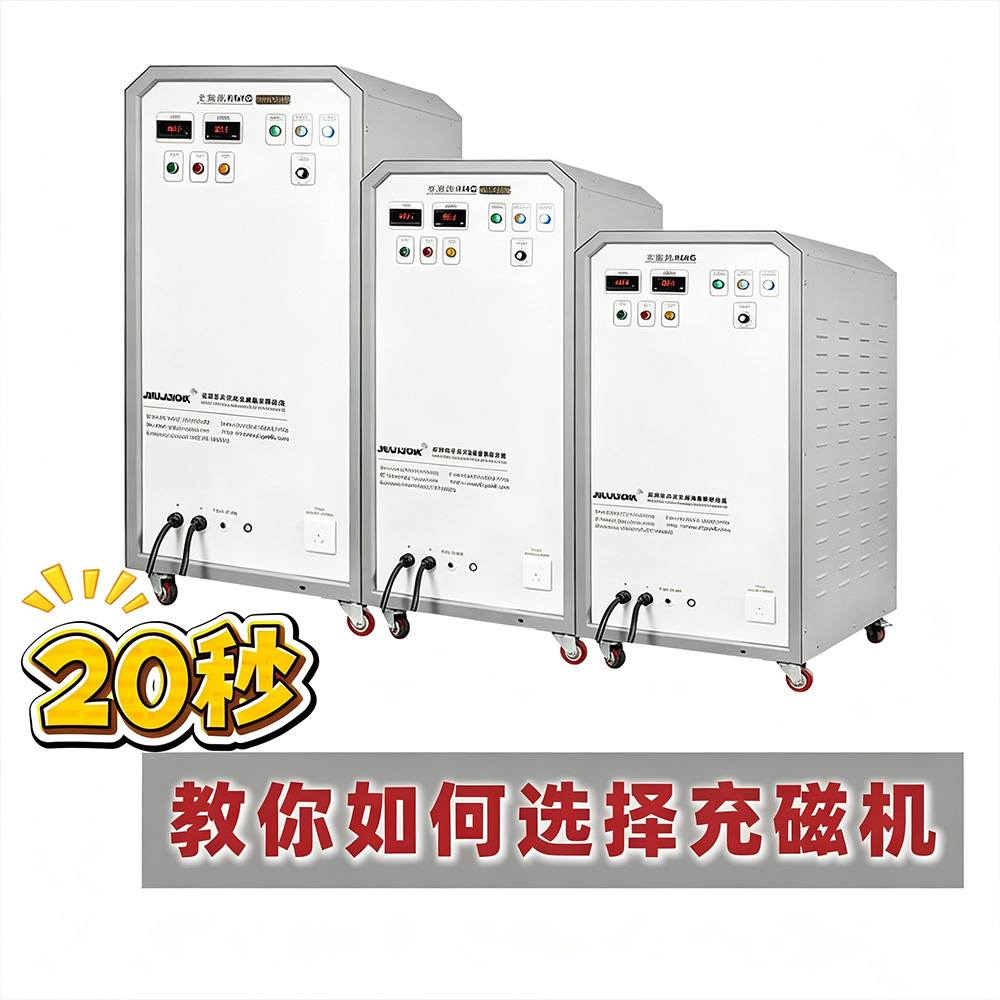
A 20-Second Video Guide on How to Choose a Magnetizing Machine—Jiuju Magnetizing Machine
Jul 21, 2026
Case video: A 20-Second Video Guide on How to Choose a …
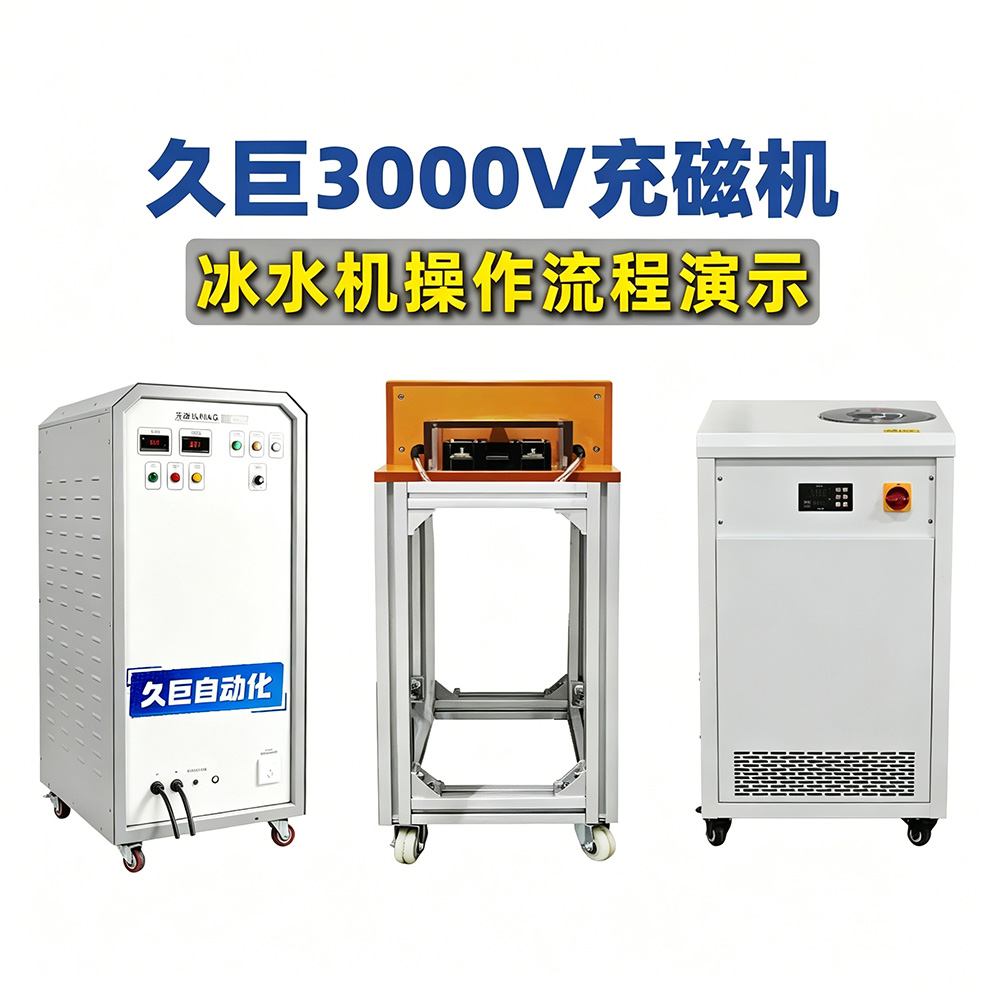
3000V Magnetizing Machine and Chiller Operation Demonstration Video—Jiuju Magnetizing Machine
Jul 3, 2026
Case video: 3000V Magnetizing Machine and Chiller Opera…
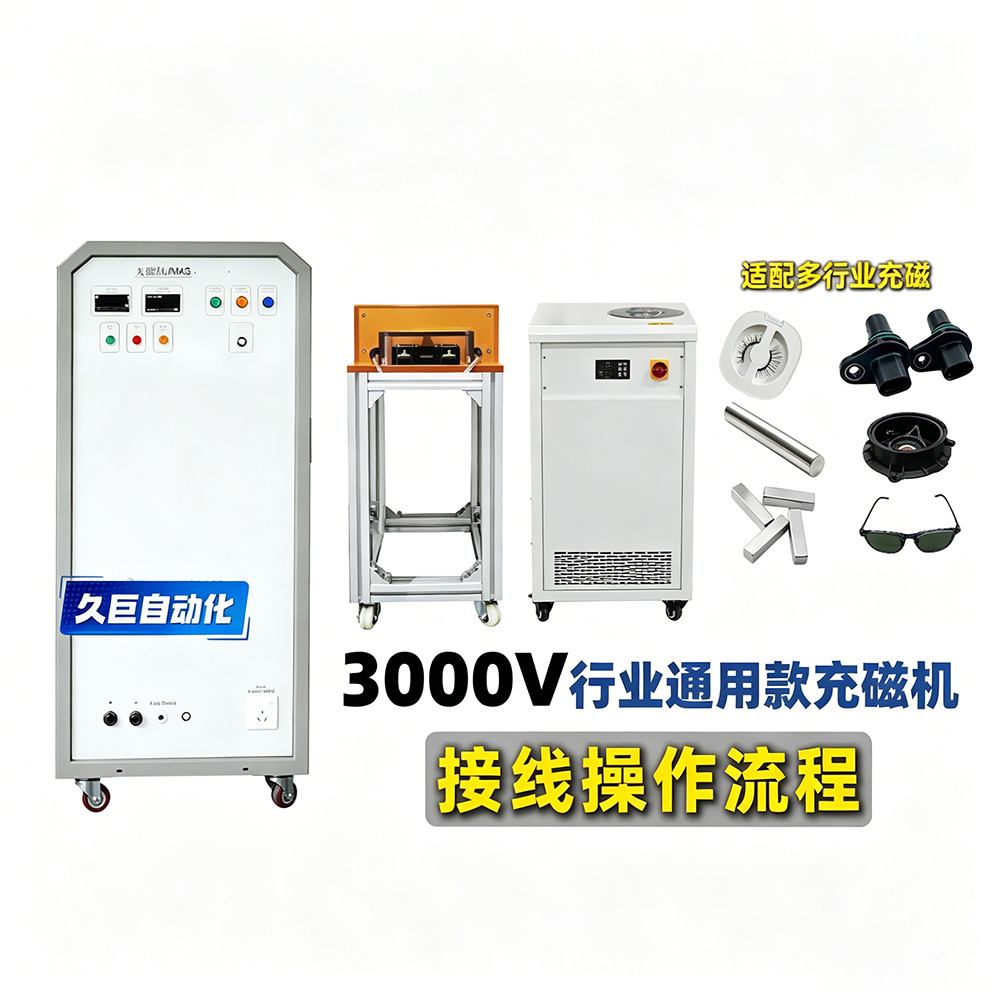
Video on the Wiring Procedure for a 3000V General-Purpose Industrial Magnetizer—Jiuju Magnetizer
Jul 2, 2026
Case video: Video on the Wiring Procedure for a 3000V G…

 English
 Chinese
 Russian
 Vietnamese
 Korean
 Thai
 French
 Spanish
 Japanese
 Hindi
 Bengali
 Portuguese