 Jiu Ju Magnetizer

Maintenance Guide for Magnetization Equipment Cooling Systems: How to Prevent Demagnetization Caused by Coil Overheating?
End-to-End Solution for Magnetization Automation
Automated Magnetic Charging Integrated Solution
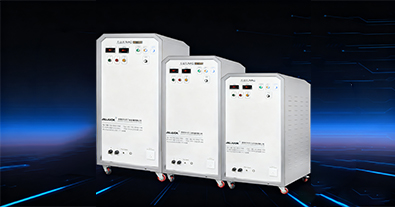
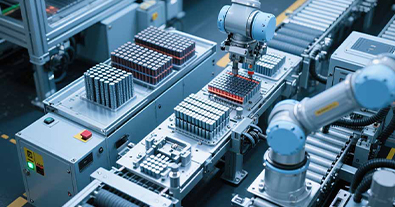
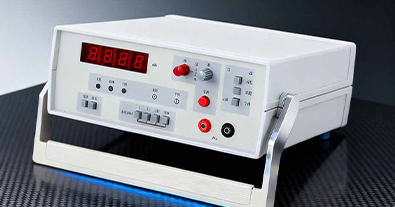
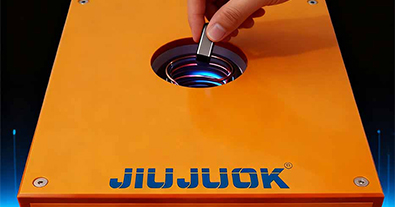
Magnetization Equipment generates a strong magnetic field through high-current pulses. The coil and power supply generate heat, and once the cooling system fails, a mild consequence is unstable magnetization saturation, while a severe one is coil overheating, demagnetization, or insulation damage. Daily cooling maintenance is the baseline for stable quality.
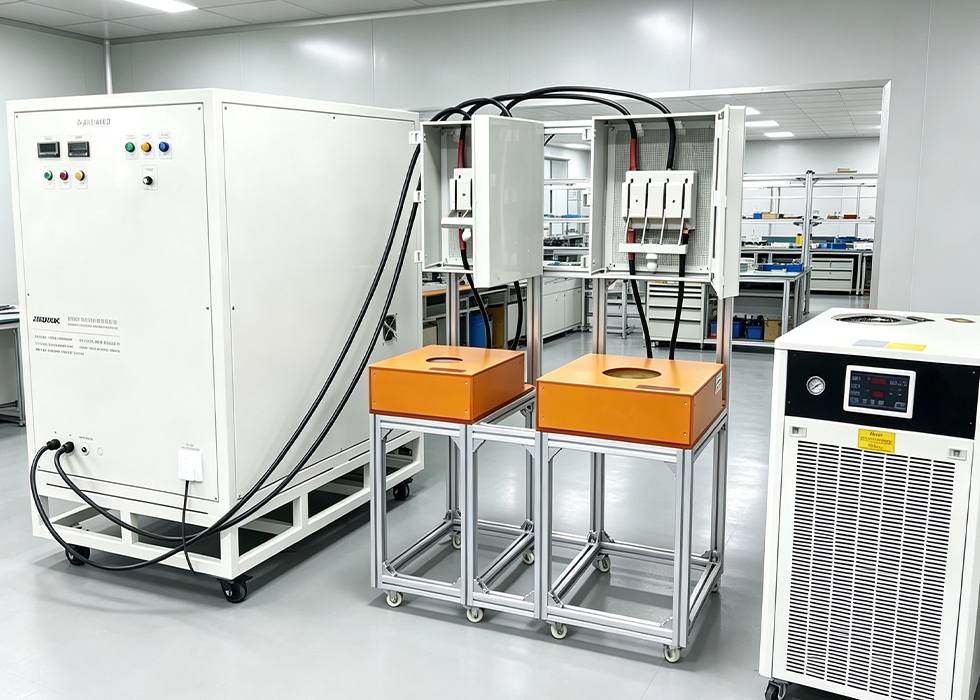
Water cooling requires checking three things. First, liquid level and flow rate: a low liquid level or weak water pump means insufficient heat dissipation, causing the coil temperature to rise. Second, water quality: long-term failure to change water leads to scaling that clogs pipes and reduces heat-exchange efficiency; it is recommended to change water regularly or add a corrosion inhibitor. Third, the temperature difference between inlet and outlet: an abnormally large temperature difference indicates worsening heat exchange, requiring inspection of blockages or the water pump.
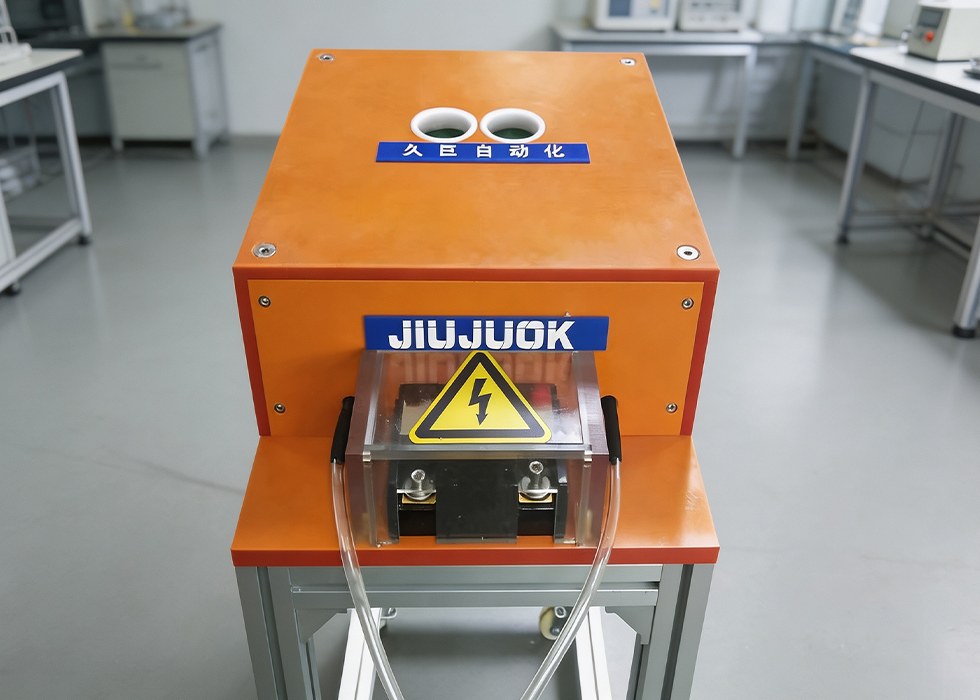
Air cooling requires checking the air volume and air duct. Dust accumulation on the cooling fan reduces its speed, and if the air duct is blocked by debris, heat cannot dissipate and overheating will also occur. Regular dust removal and confirming normal fan operation are sufficient. Whether water-cooled or air-cooled, the coil temperature must be monitored. For equipment with temperature protection, set a proper threshold; for those without, use infrared or patch sensors for inspection. If the temperature remains high, reduce frequency or stop the machine to investigate the cause—do not push through.
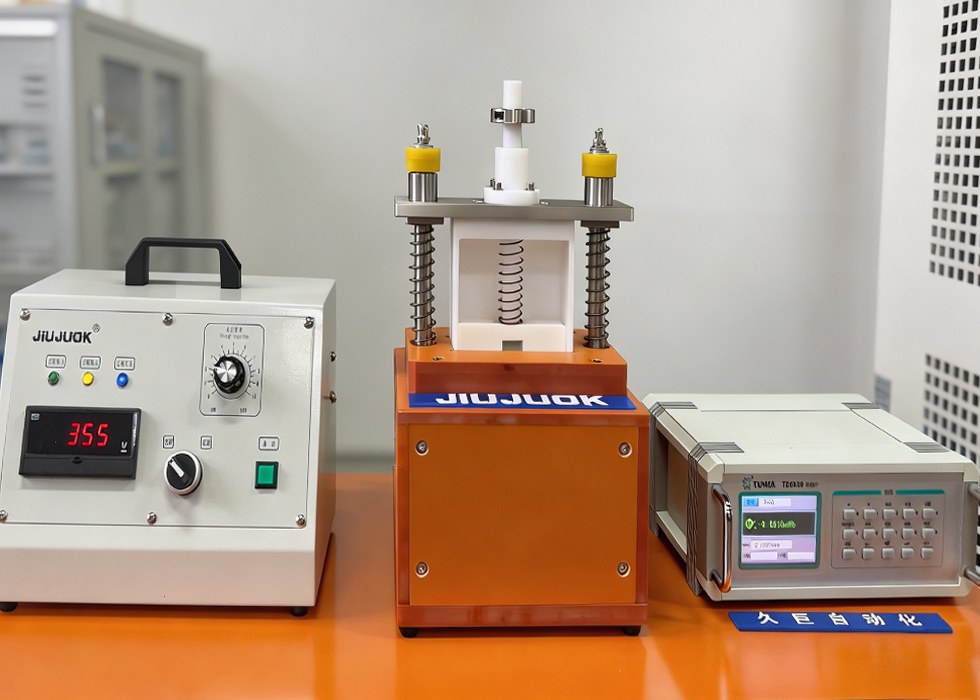
Include cooling checks in the inspection checklist: check liquid level and air volume at startup, water quality and air ducts weekly, and temperature-difference trends monthly. JiuJu Automation's Magnetization Equipment cooling systems are configured according to operating conditions, and maintenance key points and alarm threshold recommendations are provided upon delivery. During on-site operation and maintenance, JiuJu Automation recommends recording coil temperature over the long term, using temperature-rise trends to detect scaling or aging, and scheduling cleaning or replacement before failures occur to avoid unplanned downtime.
Magnetization of Magnetic Materials
3C Electronic Magnetization
Motor Rotor Magnetization
Car Speaker Magnetization
New Energy Vehicle Industry
Medical Equipment Industry
Other Industries

Jiuju Magnetization 100 Q&A: What Counts as a Defective Magnet
Nov 10, 2026
Defects in permanent magnets go beyond appearance: magn…
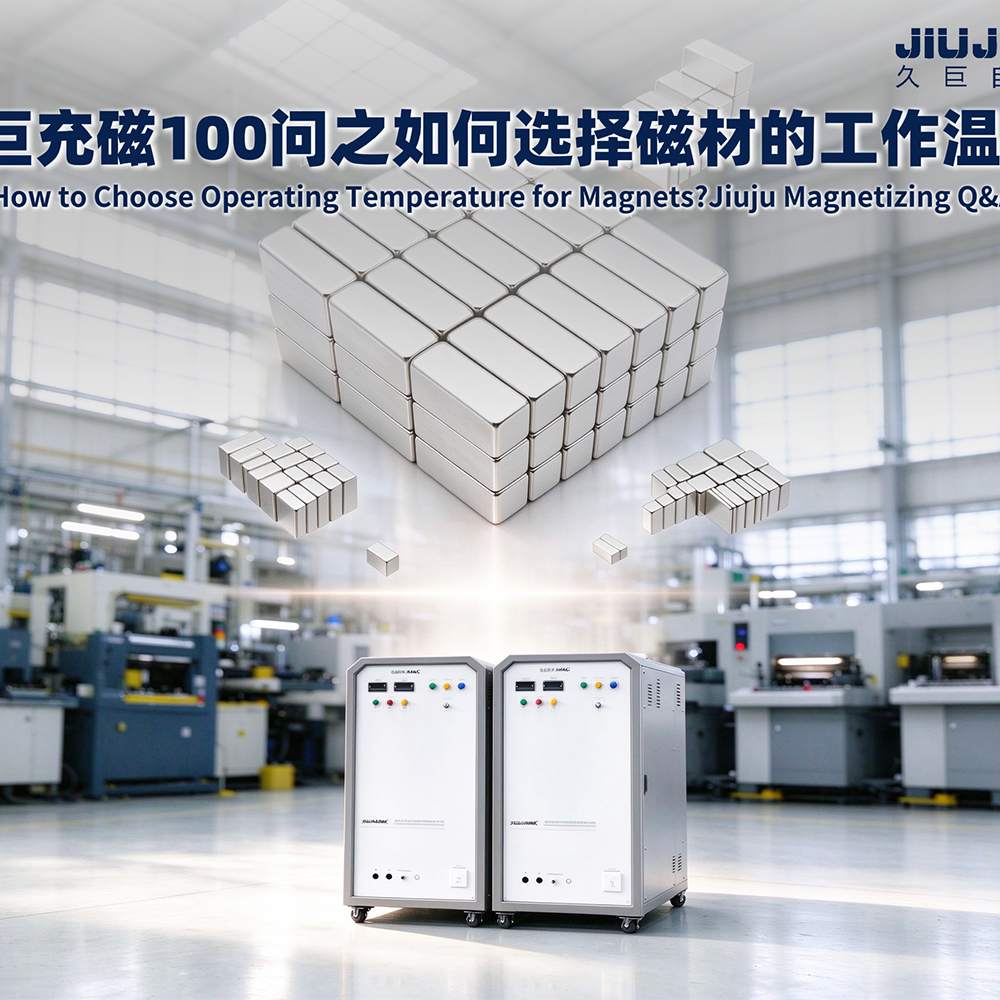
Magnetization 100 Q&A: Choosing the Magnet Operating Temperature
Nov 10, 2026
Operating temperature is the core constraint in magnet …

Precise Magnetization Control for AlNiCo Magnets: Case Video
Oct 30, 2026
AlNiCo magnets keep stable flux thanks to a very low te…

How NdFeB Magnets Achieve Stable Magnetism: Case Video
Oct 9, 2026
Stable NdFeB performance requires the right grade, a co…
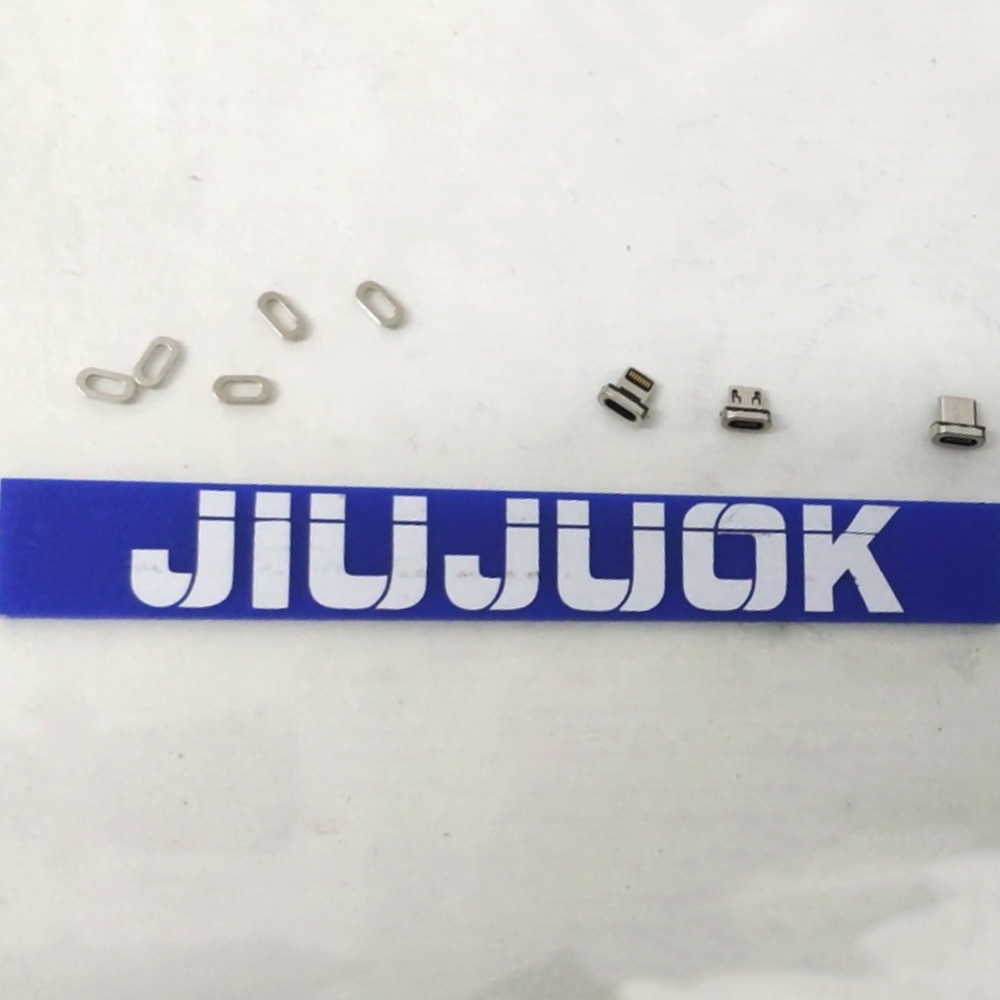
Magnetization for Magnetic Phone Chargers – Precisely Aligned with Core Magnetic Charging Processes
Nov 13, 2025
Magnetizing magnetic charging heads for phones: matchin…
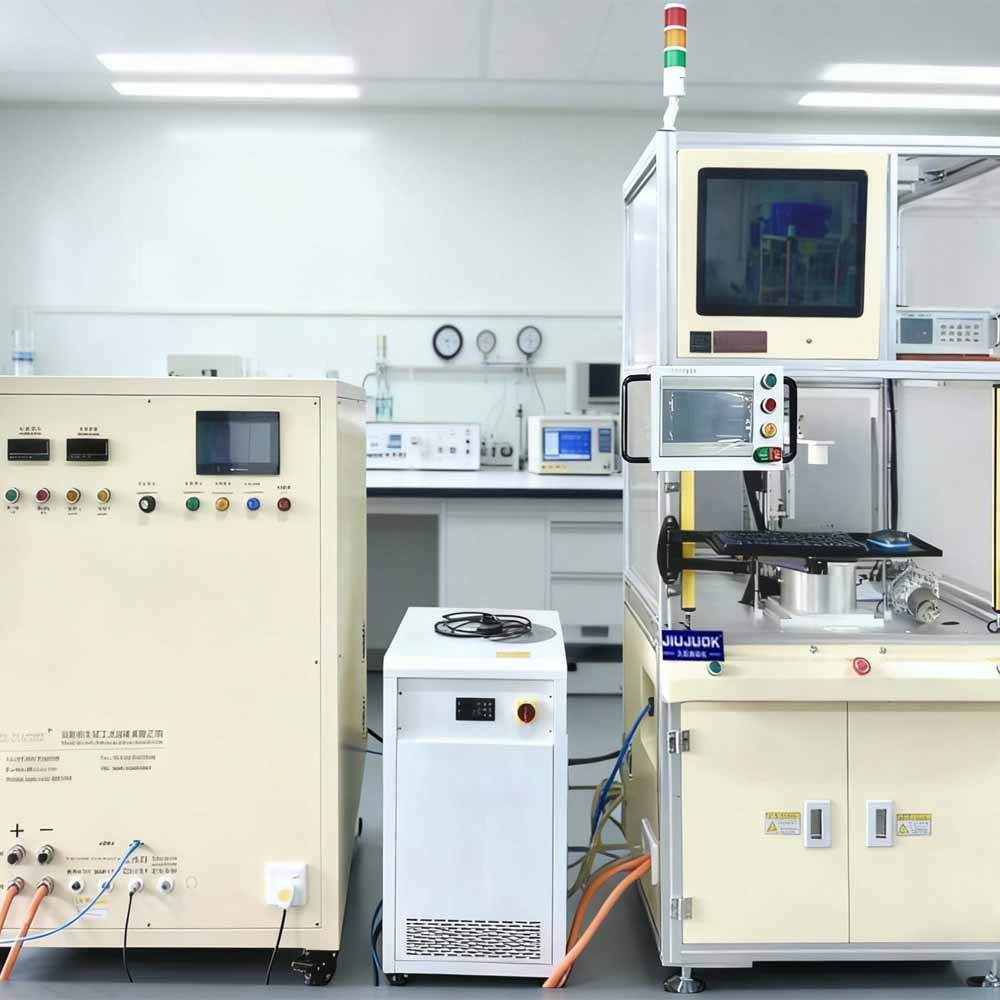
JIUJU Electronic Magnetizers: Solving Industry Pain Points and Achieving the Optimal Balance of Performance and Cost
Nov 11, 2025
The Jiuju electronic magnetizer balances performance an…
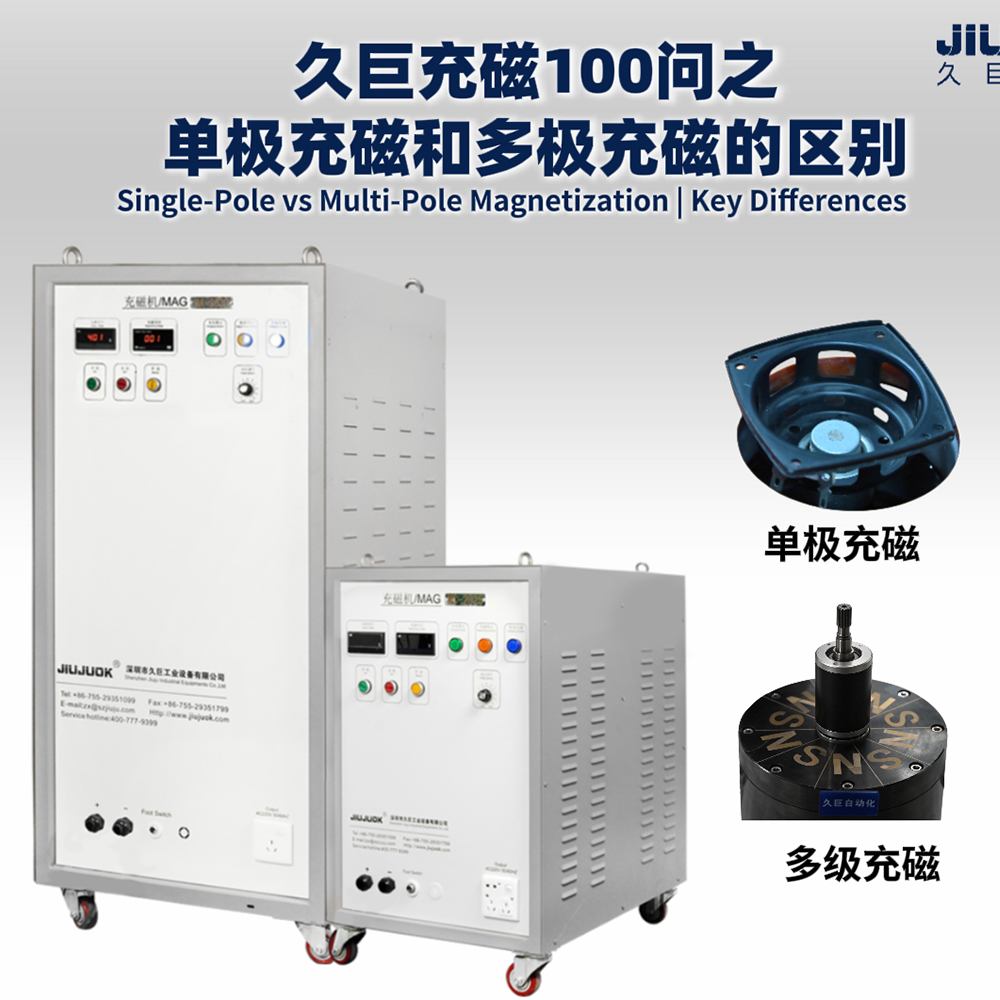
Magnetization 100 Q&A: Single-Pole vs Multi-Pole Magnetization
Nov 10, 2026
This video explains the difference between single-pole …

Video Demonstrating the Magnetization of Jiuju High-Frequency Drivers—Jiuju Magnetizer
Sep 14, 2026
Case video: Video Demonstrating the Magnetization of Ji…

Unusual Noises and Power Loss in Motors? The Root Cause Is an Uneven Magnetic Field—Jiuju Magnetizing Machine
Sep 6, 2026
Motor noise and torque loss often trace back to uneven …

Why Magnetic Field Measurement Is Essential for Mass Production Quality Control of Permanent Magnet Motors—Jiuju Magnetizing Machines
Sep 5, 2026
Why surface flux inspection is indispensable for volume…

How Critical Is Magnetization in Magnetic Switch Production?
Oct 29, 2026
In magnetic switches, magnetization controls holding fo…

Video Demonstrating Jiuju's Magnetization Process for Antique Speakers—Jiuju Magnetizer
Sep 13, 2026
Case video: Video Demonstrating Jiuju’s Magnetization P…
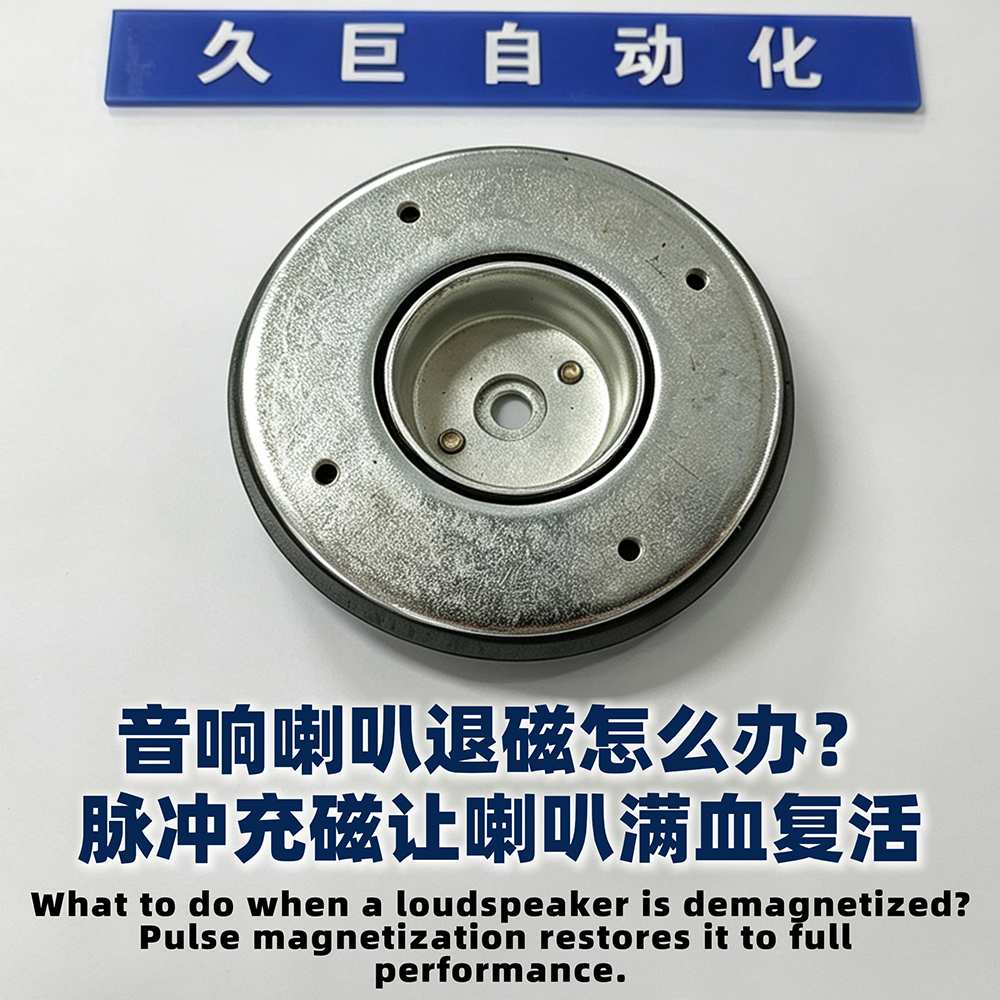
Video Demonstrating the Magnetization Process for Jiuju Speakers—Jiuju Magnetizer
Sep 10, 2026
Case video: Video Demonstrating the Magnetization Proce…

Why Does the Tip “Stick” to the Screw? A Video Explanation of Magnetization—Jiuju Magnetizing Machine
Aug 2, 2026
Case video: Why Does the Tip “Stick” to the Screw? A Vi…
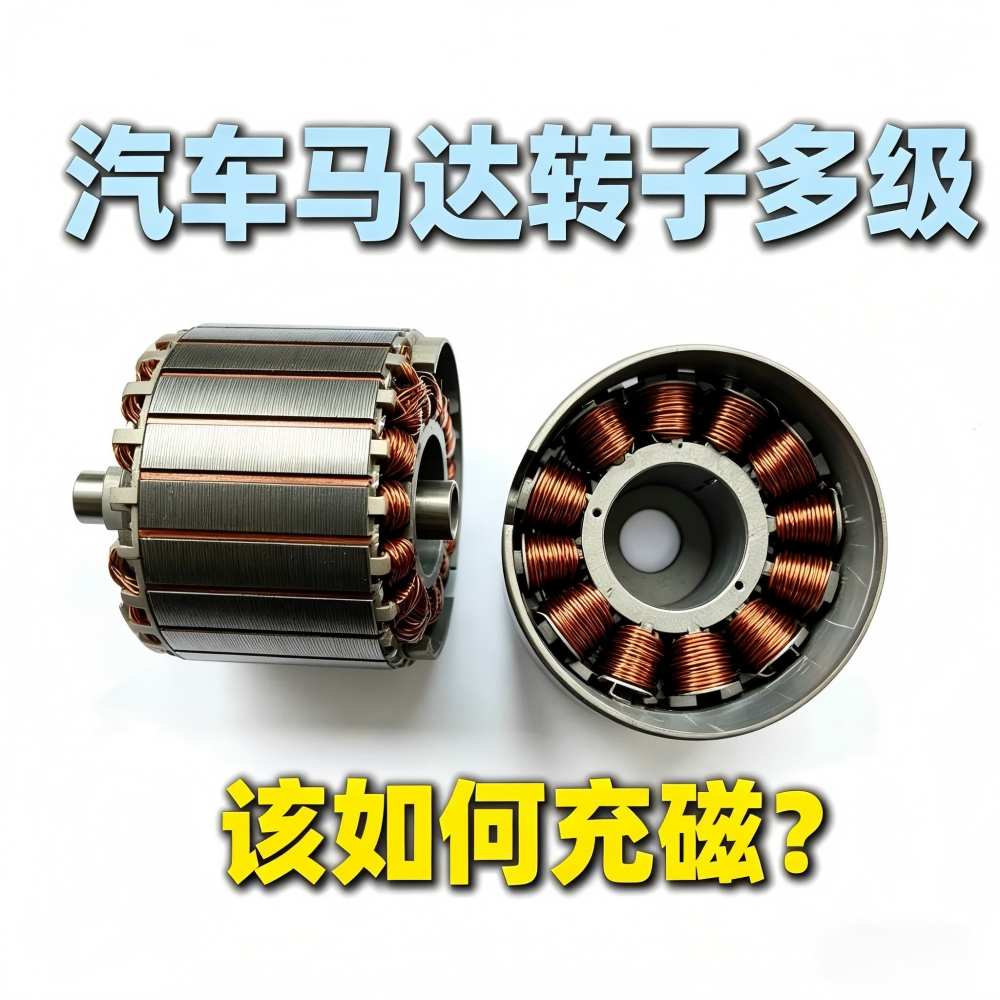
Video on Magnetizing Automotive Motor Rotors—Jiuju Magnetizing Machine
Jul 22, 2026
Case video: Video on Magnetizing Automotive Motor Rotor…

Video Case Study: Magnetizing Machine for Automotive Motor Rotors—Jiuju Magnetizing Machine
Jul 5, 2026
Case video: Video Case Study: Magnetizing Machine for A…

JIUJU Four-Station Motor Magnetizer – A Revolutionary Solution to Enhance New Energy Vehicle Motor Manufacturing Efficiency
Nov 10, 2025
The Jiuju four-station motor magnetizer improves effici…


Video Guide on How to Select a Magnetizing Machine—Jiuju Magnetizing Machines
Aug 8, 2026
Case video: Video Guide on How to Select a Magnetizing …
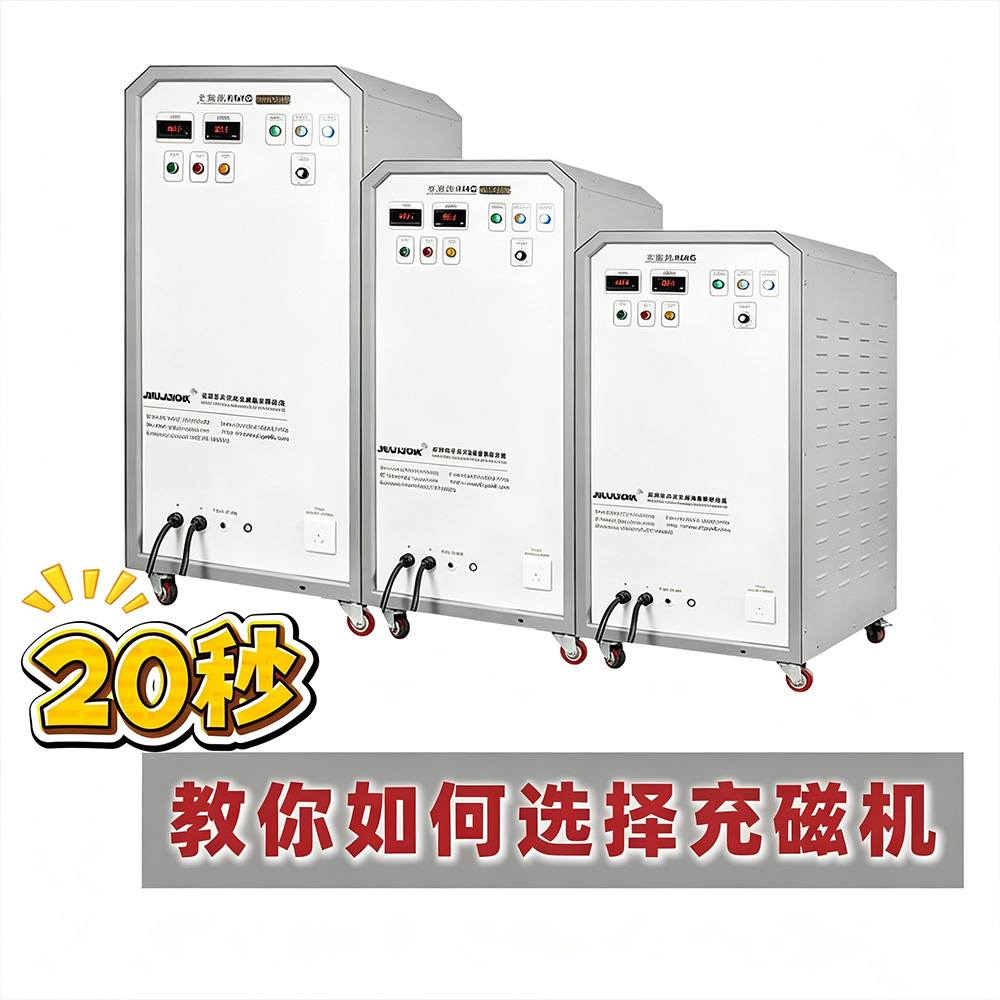
A 20-Second Video Guide on How to Choose a Magnetizing Machine—Jiuju Magnetizing Machine
Jul 21, 2026
Case video: A 20-Second Video Guide on How to Choose a …
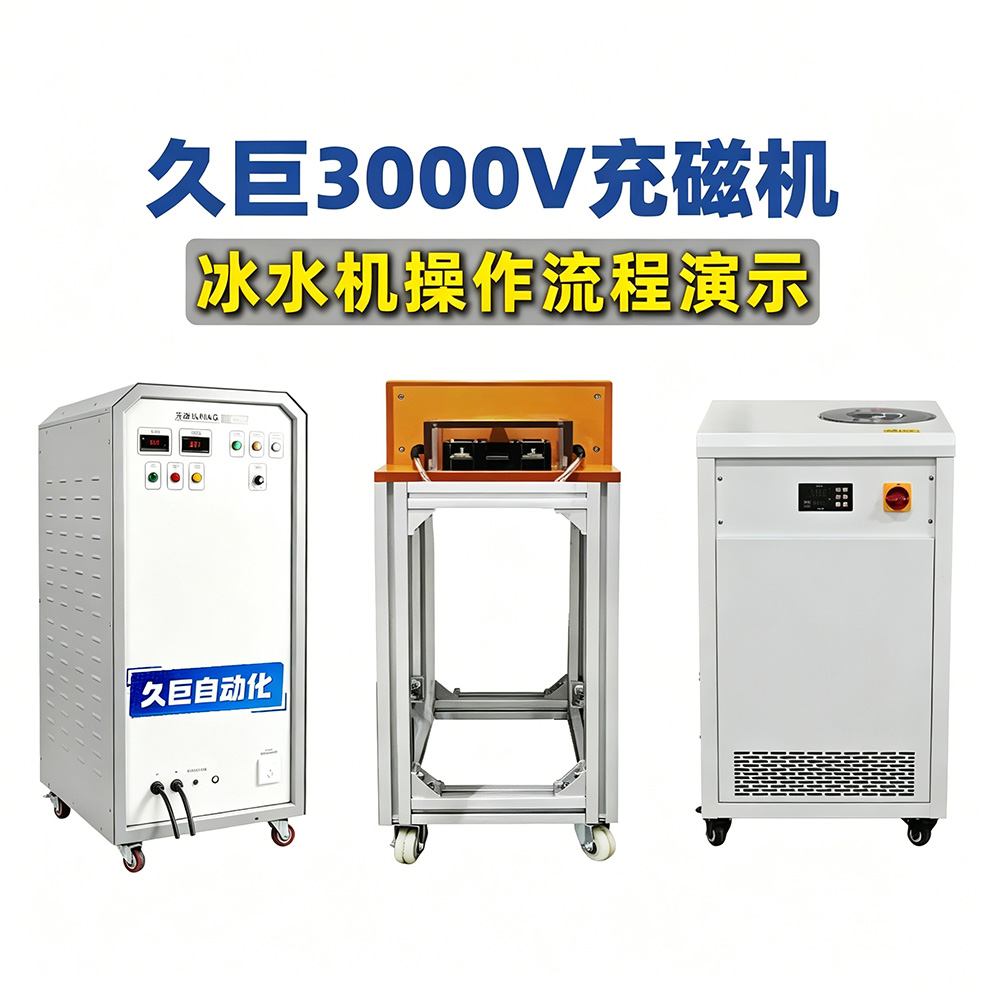
3000V Magnetizing Machine and Chiller Operation Demonstration Video—Jiuju Magnetizing Machine
Jul 3, 2026
Case video: 3000V Magnetizing Machine and Chiller Opera…
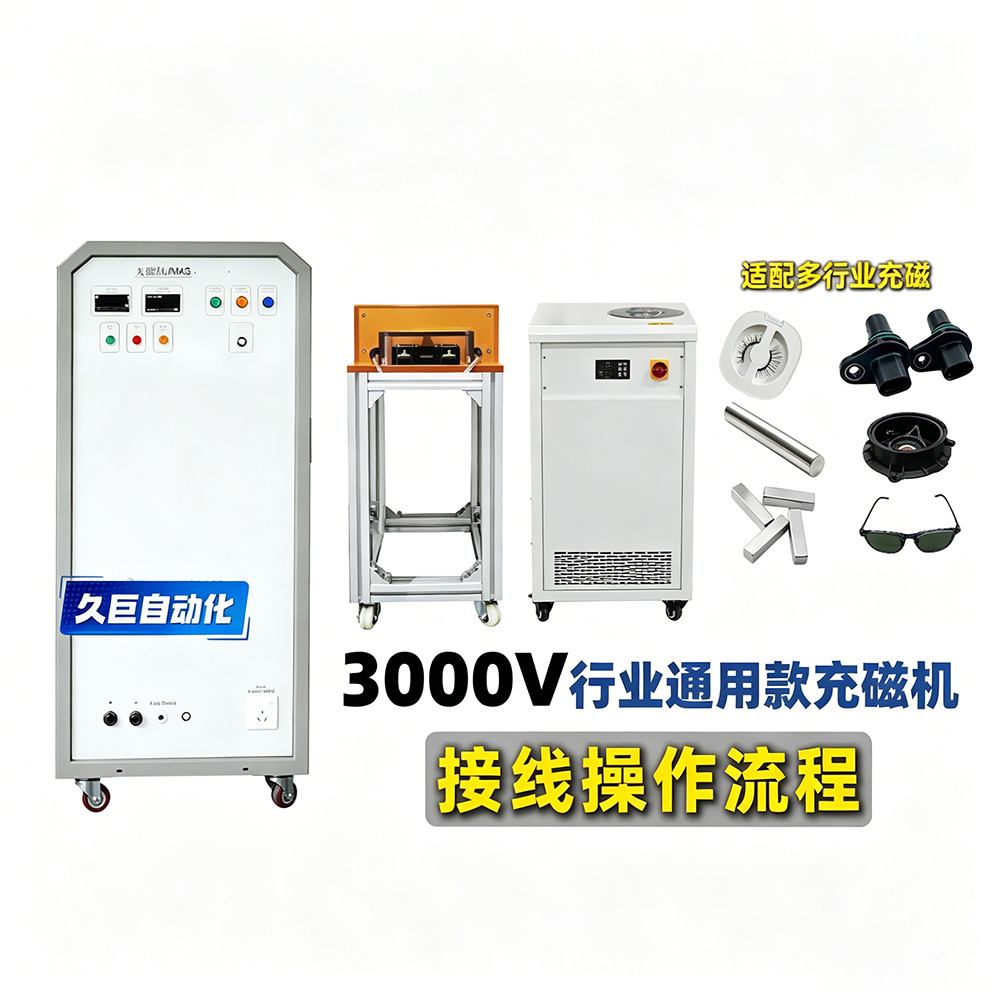
Video on the Wiring Procedure for a 3000V General-Purpose Industrial Magnetizer—Jiuju Magnetizer
Jul 2, 2026
Case video: Video on the Wiring Procedure for a 3000V G…

 English
 Chinese
 Russian
 Vietnamese
 Korean
 Thai
 French
 Spanish
 Japanese
 Hindi
 Bengali
 Portuguese