 Jiu Ju Magnetizer


How to Choose a Magnetizing Coil for Magnetic Materials? A Complete Guide to Specification Matching, Installation, and Maintenance
End-to-End Solution for Magnetization Automation
Automated Magnetic Charging Integrated Solution
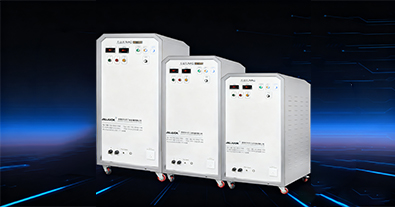
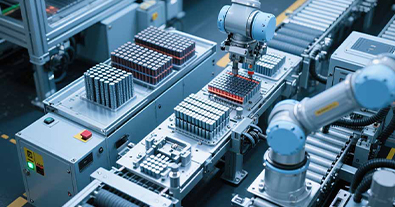
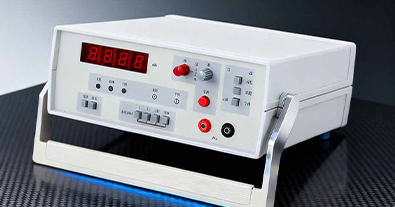
If there's a problem with the magnetizing coil, replacing capacitors or adjusting parameters won't help. Selecting the right coil, installing it correctly, and maintaining it properly are the first line of defense for ensuring the quality of magnetic material production.

When selecting a coil, first consider the shape of the magnet. Cylindrical magnets should be paired with toroidal coils; square magnets with rectangular coils; ring magnets with C-shaped or split coils; and multipole magnetized magnets with specialized multipole coils. The gap between the coil’s inner diameter and the magnet should ideally be maintained between 0.5 and 2 mm—if the gap is too small, installation and removal become difficult and the coil may jam; if it is too large, the effective magnetic field strength will decrease significantly. Experience shows that for every 1 mm increase in the gap, the magnetic field strength on the magnet’s surface decreases by approximately 51 TP3T to 81 TP3T.
The inductance of the coil must be matched to the capacitance of the magnetizing power supply; together, they form an RLC discharge circuit. Improper matching can cause waveform distortion. As a general rule, the inductance value should be close to the midpoint of the power supply’s design range; matching parameters are provided by the equipment manufacturer. JiuJu Automation’s magnetizing equipment is shipped with the inductance range for compatible coils specified; if the inductance falls outside this range, impedance matching adjustments must be made.

Three key points for coil installation: positioning accuracy—the deviation between the center of the coil and the magnetization position must be less than 0.3 mm; Mounting method: During high-current discharge, the coil is subjected to immense electromagnetic forces; bolts must be tightened to specification using a torque wrench; Cooling lines: The inlet and outlet ports of water-cooled coils must not be connected in reverse, and all air must be purged during the initial water flow.

There are two essential monthly maintenance tasks: use an electrical bridge to measure inductance and resistance and compare the results with the factory reference values; a deviation exceeding 5% indicates an inter-turn short circuit or oxidized connections. Visually inspect the insulation for discoloration or cracking. Jiuju recommends that users keep a coil parameter log card next to the equipment and record the results of each measurement.
Magnetization of Magnetic Materials
3C Electronic Magnetization
Motor Rotor Magnetization
Car Speaker Magnetization
New Energy Vehicle Industry
Medical Equipment Industry
Other Industries

Jiuju Magnetization 100 Q&A: What Counts as a Defective Magnet
Nov 10, 2026
Defects in permanent magnets go beyond appearance: magn…
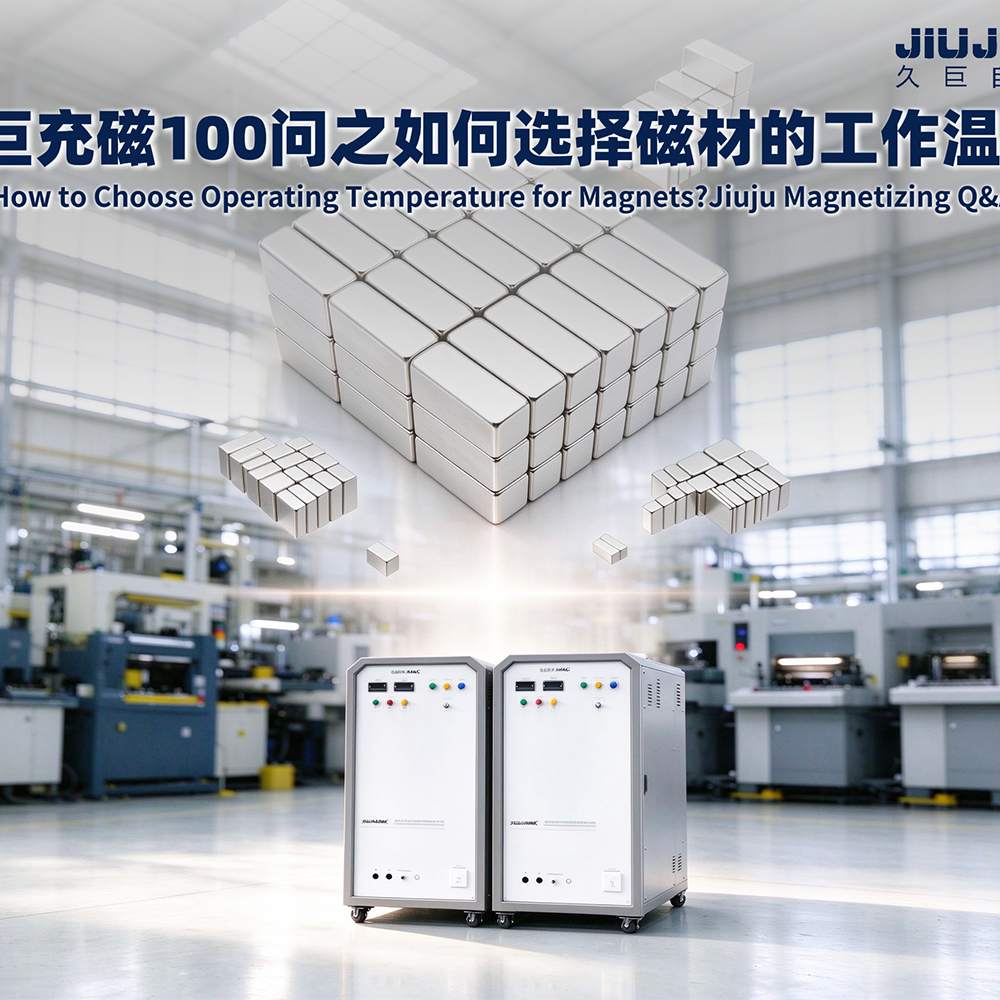
Magnetization 100 Q&A: Choosing the Magnet Operating Temperature
Nov 10, 2026
Operating temperature is the core constraint in magnet …

Precise Magnetization Control for AlNiCo Magnets: Case Video
Oct 30, 2026
AlNiCo magnets keep stable flux thanks to a very low te…

How NdFeB Magnets Achieve Stable Magnetism: Case Video
Oct 9, 2026
Stable NdFeB performance requires the right grade, a co…
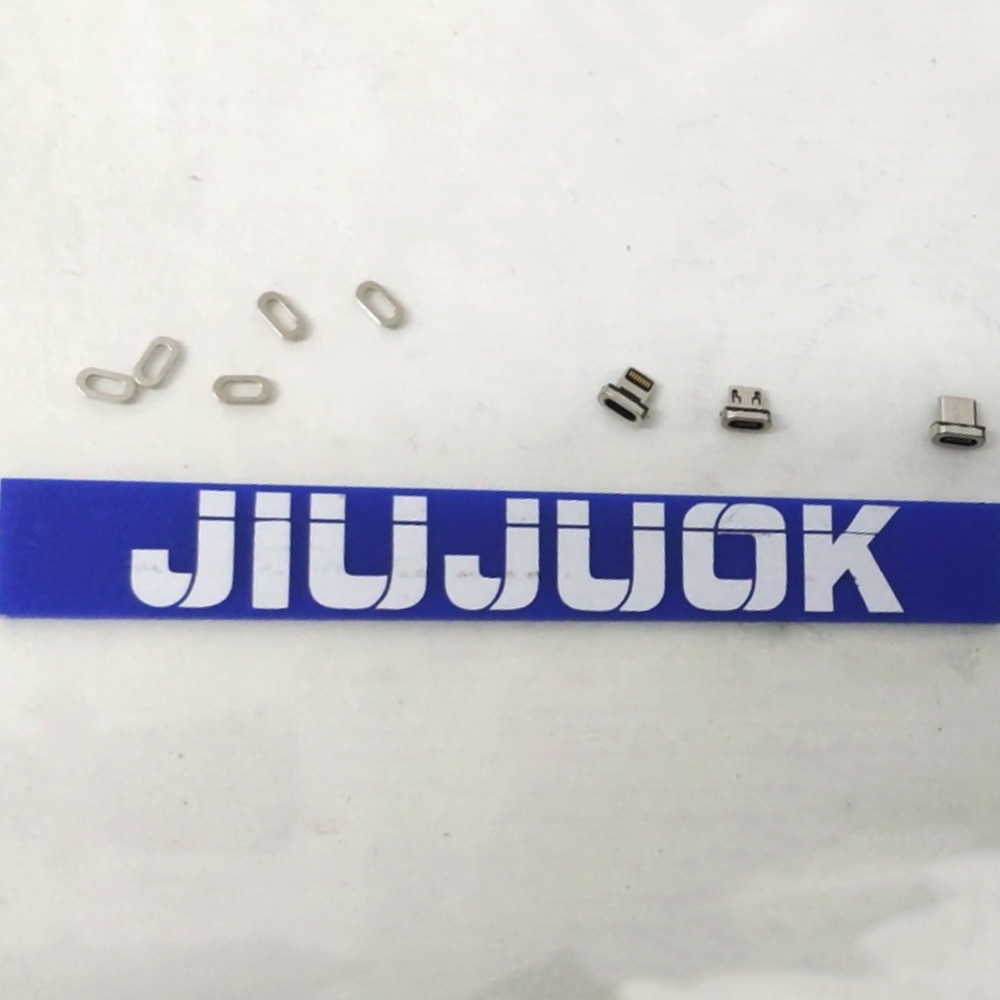
Magnetization for Magnetic Phone Chargers – Precisely Aligned with Core Magnetic Charging Processes
Nov 13, 2025
Magnetizing magnetic charging heads for phones: matchin…
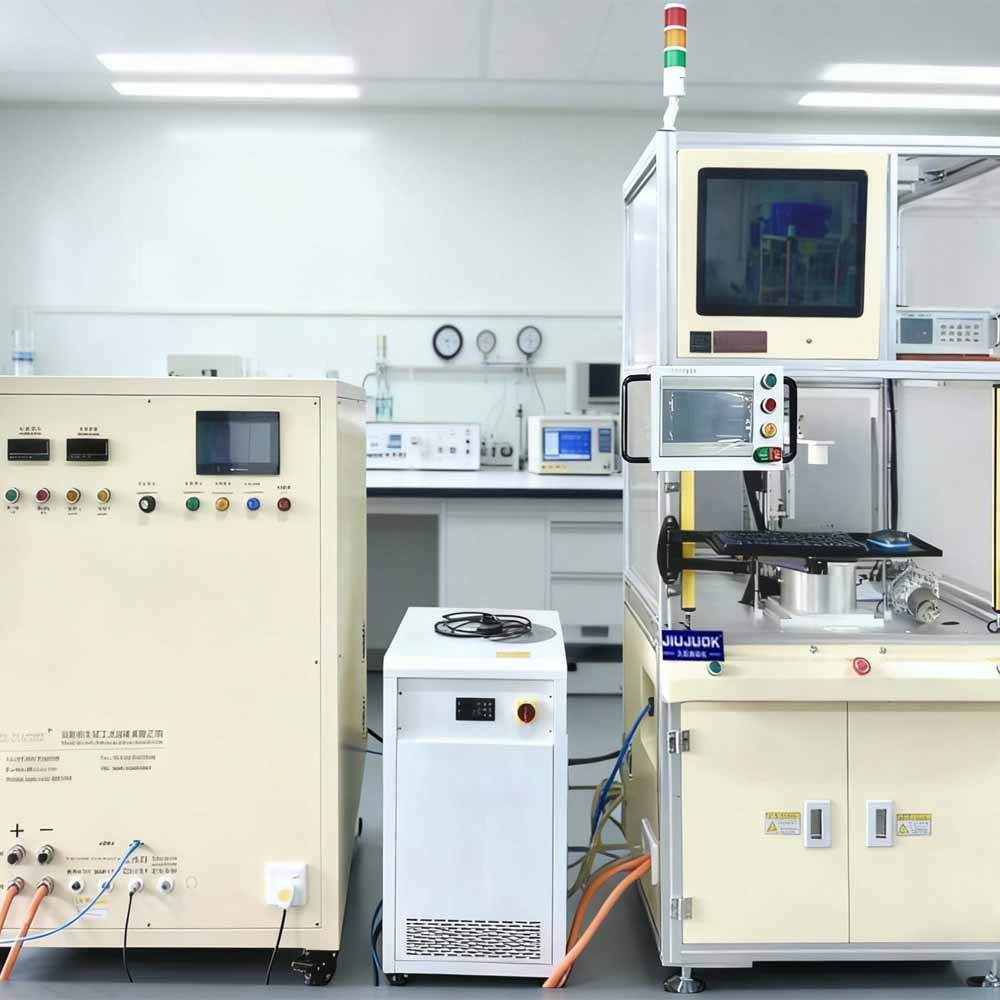
JIUJU Electronic Magnetizers: Solving Industry Pain Points and Achieving the Optimal Balance of Performance and Cost
Nov 11, 2025
The Jiuju electronic magnetizer balances performance an…
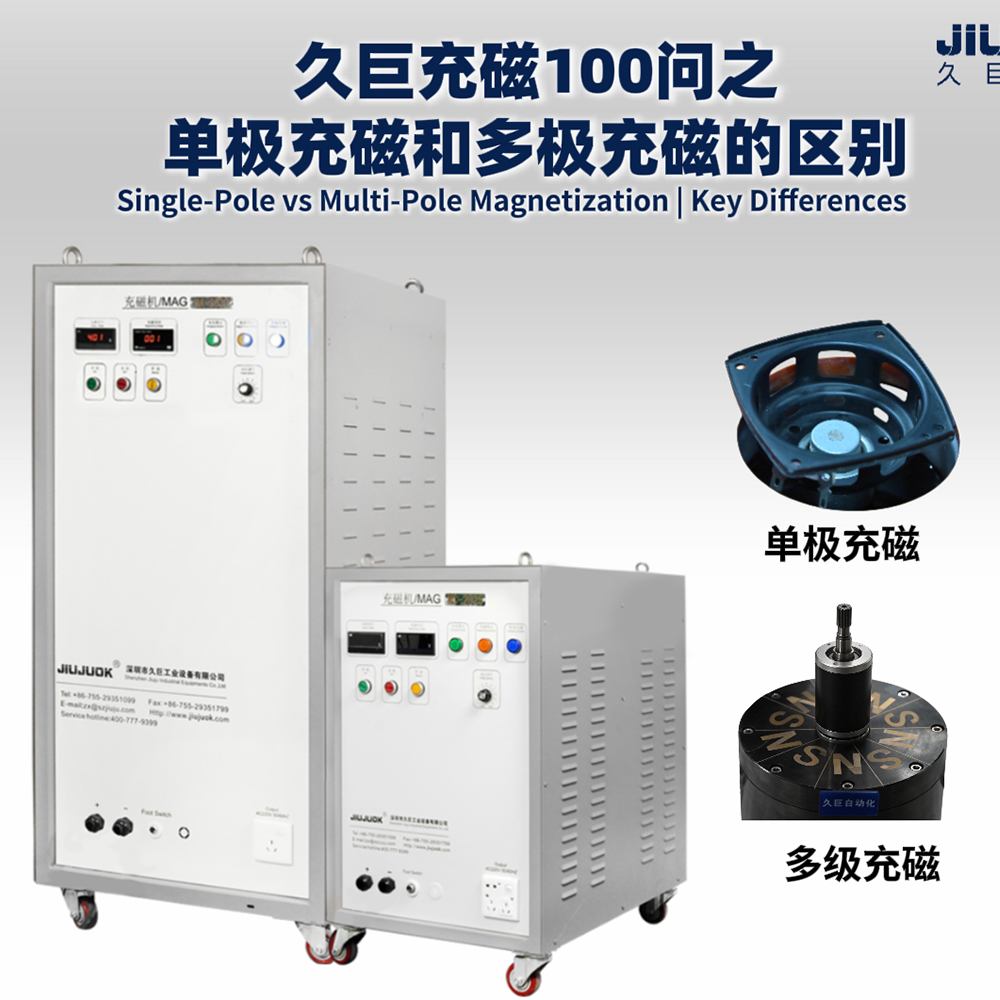
Magnetization 100 Q&A: Single-Pole vs Multi-Pole Magnetization
Nov 10, 2026
This video explains the difference between single-pole …

Video Demonstrating the Magnetization of Jiuju High-Frequency Drivers—Jiuju Magnetizer
Sep 14, 2026
Case video: Video Demonstrating the Magnetization of Ji…

Unusual Noises and Power Loss in Motors? The Root Cause Is an Uneven Magnetic Field—Jiuju Magnetizing Machine
Sep 6, 2026
Motor noise and torque loss often trace back to uneven …

Why Magnetic Field Measurement Is Essential for Mass Production Quality Control of Permanent Magnet Motors—Jiuju Magnetizing Machines
Sep 5, 2026
Why surface flux inspection is indispensable for volume…

How Critical Is Magnetization in Magnetic Switch Production?
Oct 29, 2026
In magnetic switches, magnetization controls holding fo…

Video Demonstrating Jiuju's Magnetization Process for Antique Speakers—Jiuju Magnetizer
Sep 13, 2026
Case video: Video Demonstrating Jiuju’s Magnetization P…
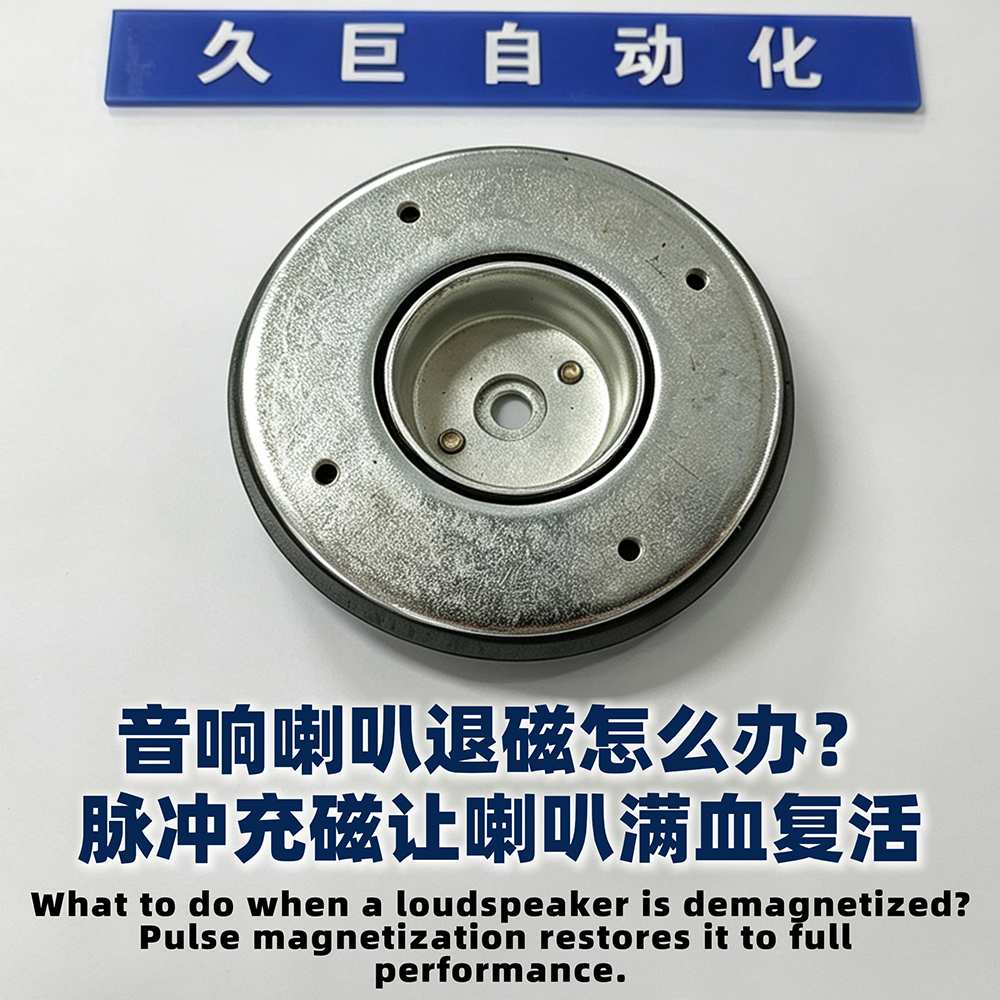
Video Demonstrating the Magnetization Process for Jiuju Speakers—Jiuju Magnetizer
Sep 10, 2026
Case video: Video Demonstrating the Magnetization Proce…

Why Does the Tip “Stick” to the Screw? A Video Explanation of Magnetization—Jiuju Magnetizing Machine
Aug 2, 2026
Case video: Why Does the Tip “Stick” to the Screw? A Vi…
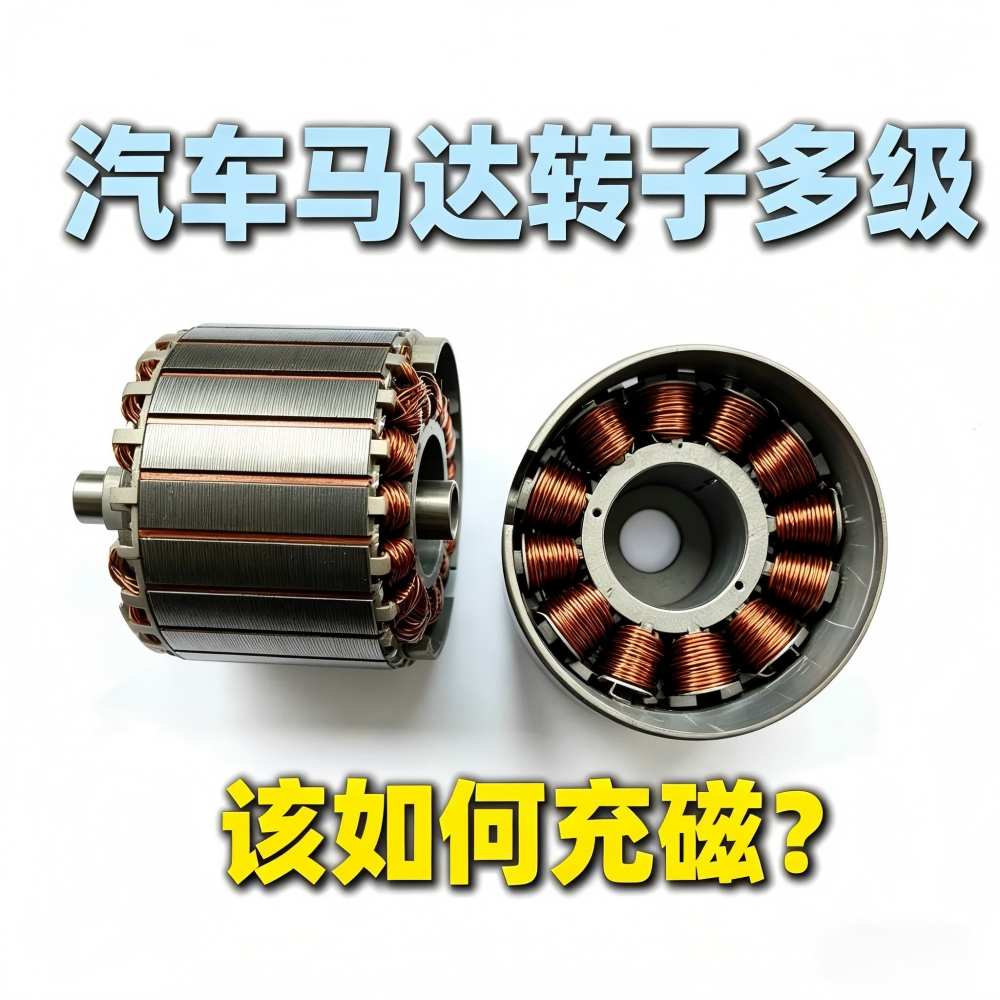
Video on Magnetizing Automotive Motor Rotors—Jiuju Magnetizing Machine
Jul 22, 2026
Case video: Video on Magnetizing Automotive Motor Rotor…

Video Case Study: Magnetizing Machine for Automotive Motor Rotors—Jiuju Magnetizing Machine
Jul 5, 2026
Case video: Video Case Study: Magnetizing Machine for A…

JIUJU Four-Station Motor Magnetizer – A Revolutionary Solution to Enhance New Energy Vehicle Motor Manufacturing Efficiency
Nov 10, 2025
The Jiuju four-station motor magnetizer improves effici…


Video Guide on How to Select a Magnetizing Machine—Jiuju Magnetizing Machines
Aug 8, 2026
Case video: Video Guide on How to Select a Magnetizing …
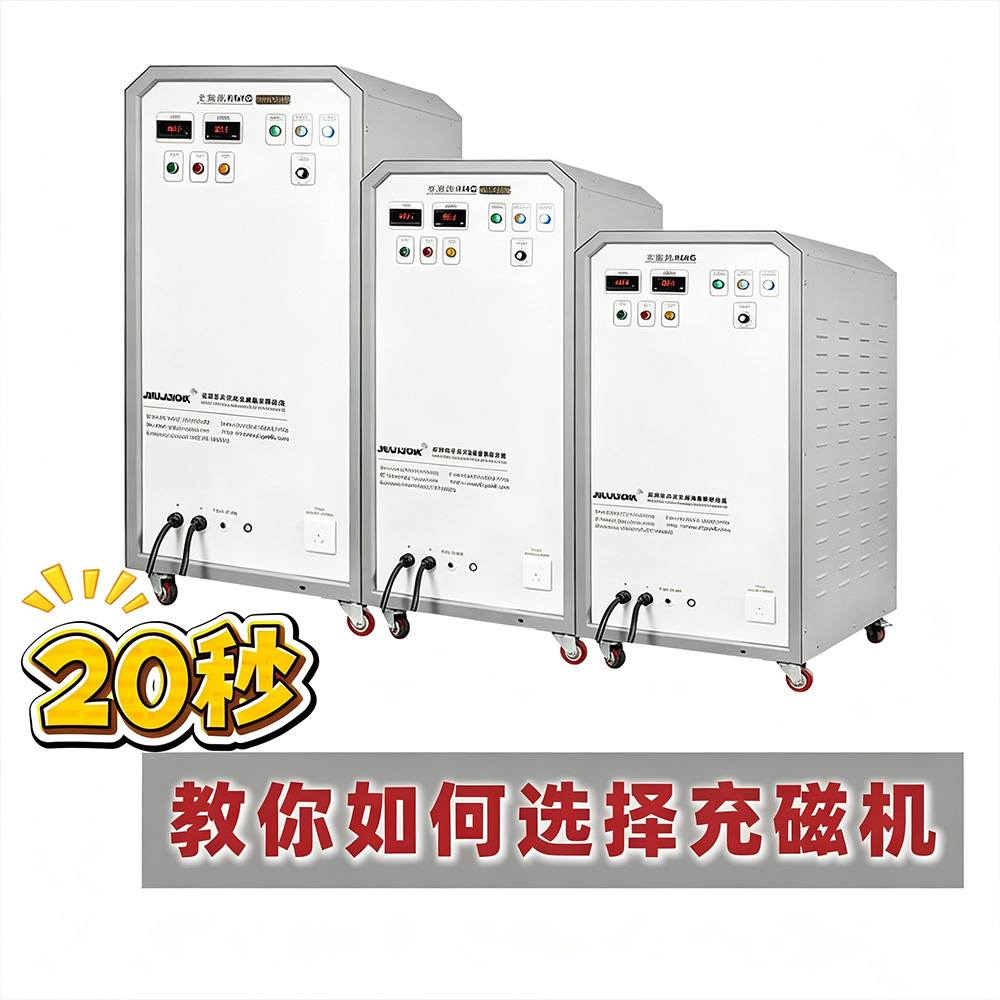
A 20-Second Video Guide on How to Choose a Magnetizing Machine—Jiuju Magnetizing Machine
Jul 21, 2026
Case video: A 20-Second Video Guide on How to Choose a …
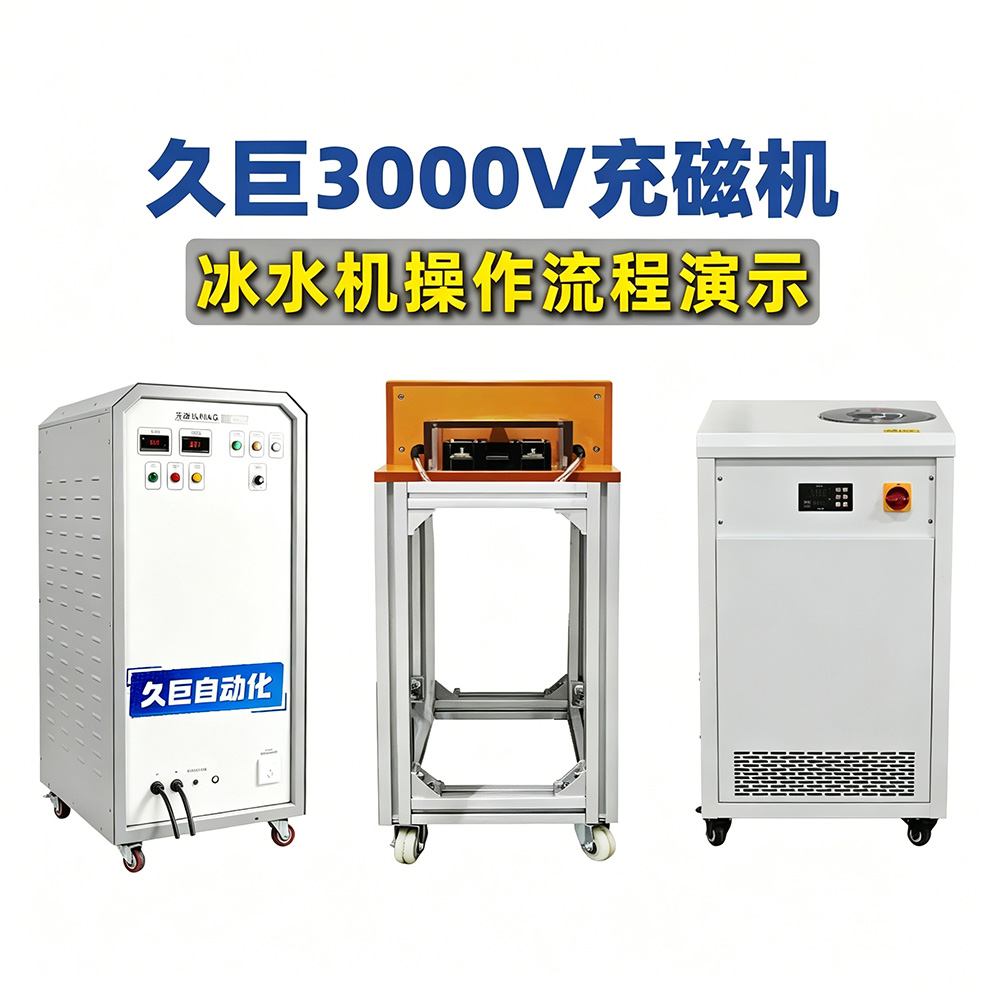
3000V Magnetizing Machine and Chiller Operation Demonstration Video—Jiuju Magnetizing Machine
Jul 3, 2026
Case video: 3000V Magnetizing Machine and Chiller Opera…
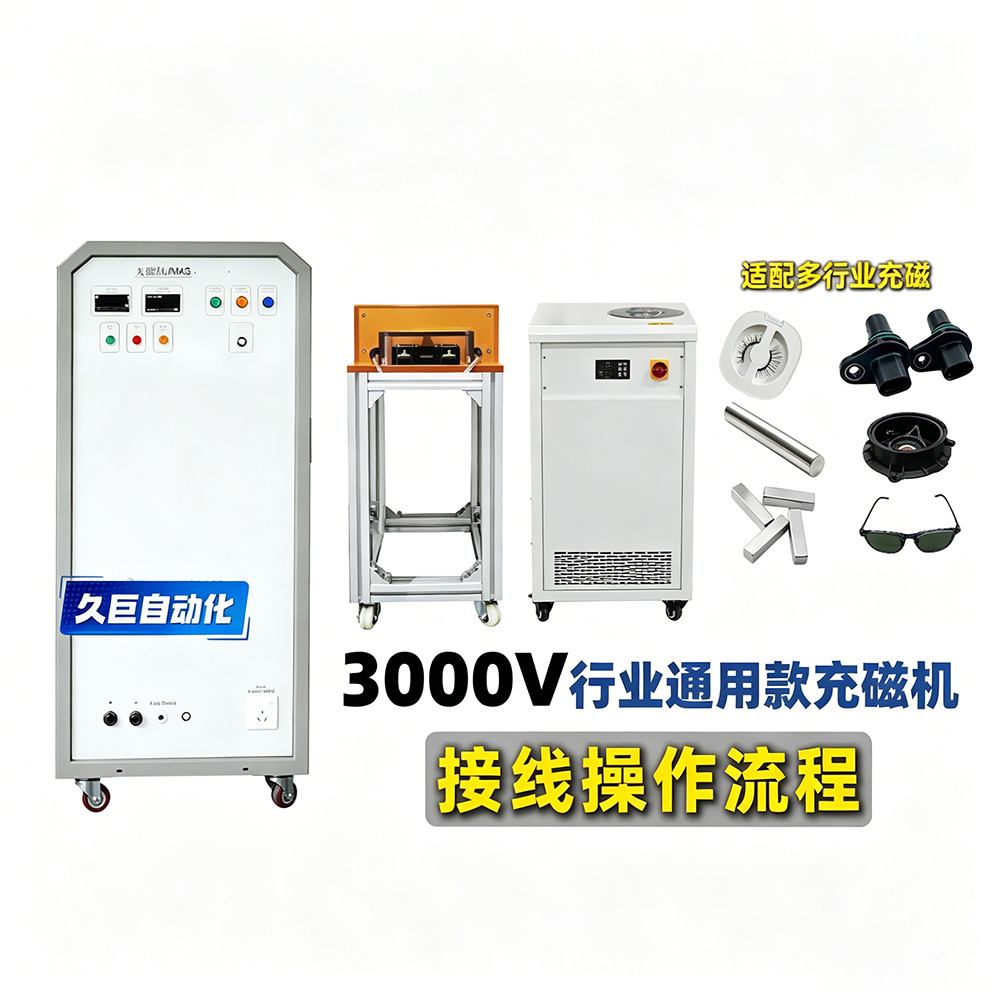
Video on the Wiring Procedure for a 3000V General-Purpose Industrial Magnetizer—Jiuju Magnetizer
Jul 2, 2026
Case video: Video on the Wiring Procedure for a 3000V G…

 English
 Chinese
 Russian
 Vietnamese
 Korean
 Thai
 French
 Spanish
 Japanese
 Hindi
 Bengali
 Portuguese