 Jiu Ju Magnetizer

Which magnetizing machine works best with the magnets in an axial flux motor?
End-to-End Solution for Magnetization Automation
Automated Magnetic Charging Integrated Solution
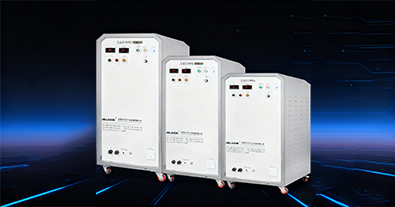
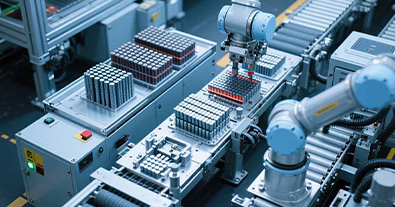
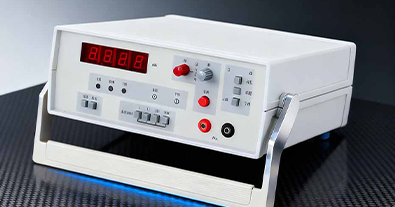
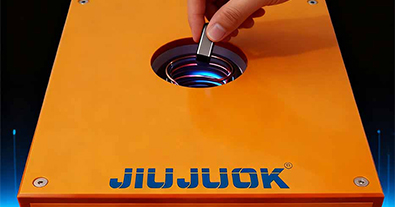
Axial-flux motors typically use thin magnets arranged in a dense, alternating N/S polarity pattern, with the magnetic circuit running axially. The quality of the magnetization directly determines the motor’s torque density, smoothness of operation, and overall efficiency. Therefore, magnetization equipment cannot simply adopt the traditional radial motor design; instead, a specialized solution must be developed that accounts for the structural characteristics of the magnets.

When selecting a model, attention must be paid to three key indicators. First, the compatibility between the magnetization direction and the number of poles; For axial magnets, the operating magnetic field must be output along the motor’s axial direction. Specialized axial multi-pole magnetizing fixtures are required to precisely match the number of pole pairs and their arrangement angles, ensuring consistent magnetic field direction and uniform distribution across each pole. This prevents torque fluctuations and increased operating noise caused by magnetic field deviations between poles. Second is the precision of magnetization energy control. Thin magnets have low impact resistance; excessive magnetization energy can cause them to shatter or degrade in performance, while insufficient energy prevents them from reaching saturation. The equipment must be capable of stepwise capacitive energy control to accommodate the magnetization parameters of magnets of different grades and thicknesses. Third, closed-loop process control capability: It is recommended that the magnetization station integrate polarity identification and surface magnetic field detection functions to instantly identify workpieces with incorrect polarity or weak magnetism, thereby preventing defective products from entering subsequent assembly processes.

Common selection pitfalls in the industry that should be avoided: Directly modifying a radial magnetizer for use can result in insufficient magnetization saturation due to a mismatch in the magnetic field direction; using generic fixtures to accommodate multiple sizes of magnets can lead to issues such as poor magnetic field uniformity and significant pole position deviations, making it difficult to ensure long-term mass production stability.
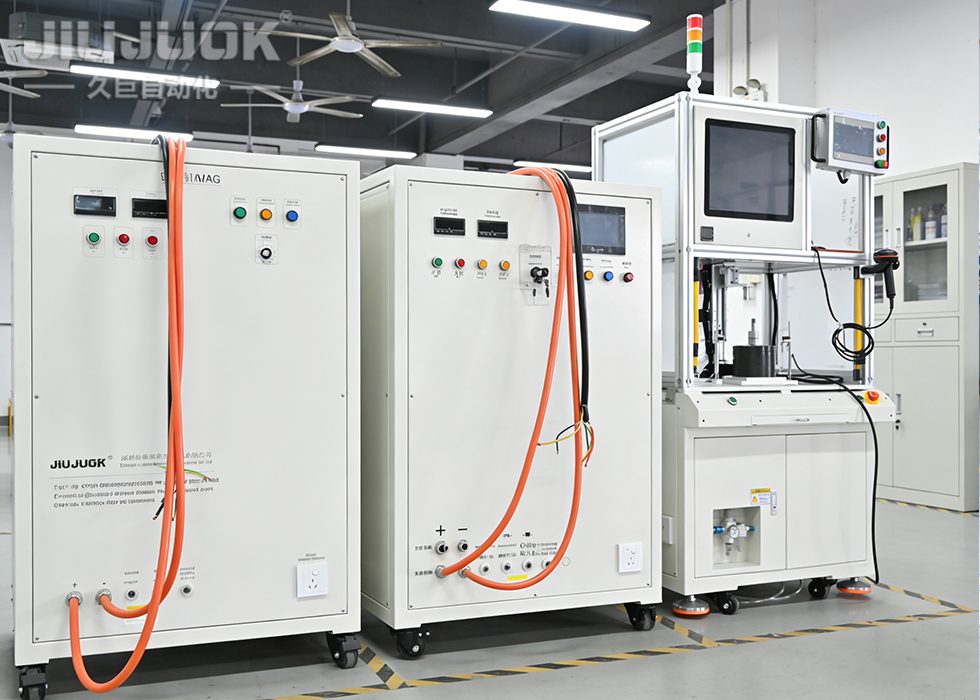
To meet the magnetization process requirements for axial flux motors, Jiuju offers matching magnetization equipment and specialized fixture solutions that support axial multipole magnetization for a wide range of magnet specifications. Equipped with precise energy control and online detection modules, these solutions ensure consistent magnetization saturation and polarity, meeting the process requirements for large-scale mass production. During the product selection phase, it is recommended to conduct magnetization validation based on the magnet grade, number of poles, and mass production cycle time, using uniform saturation and high efficiency with low losses as the core evaluation criteria.
Magnetization of Magnetic Materials
3C Electronic Magnetization
Motor Rotor Magnetization
Car Speaker Magnetization
New Energy Vehicle Industry
Medical Equipment Industry
Other Industries

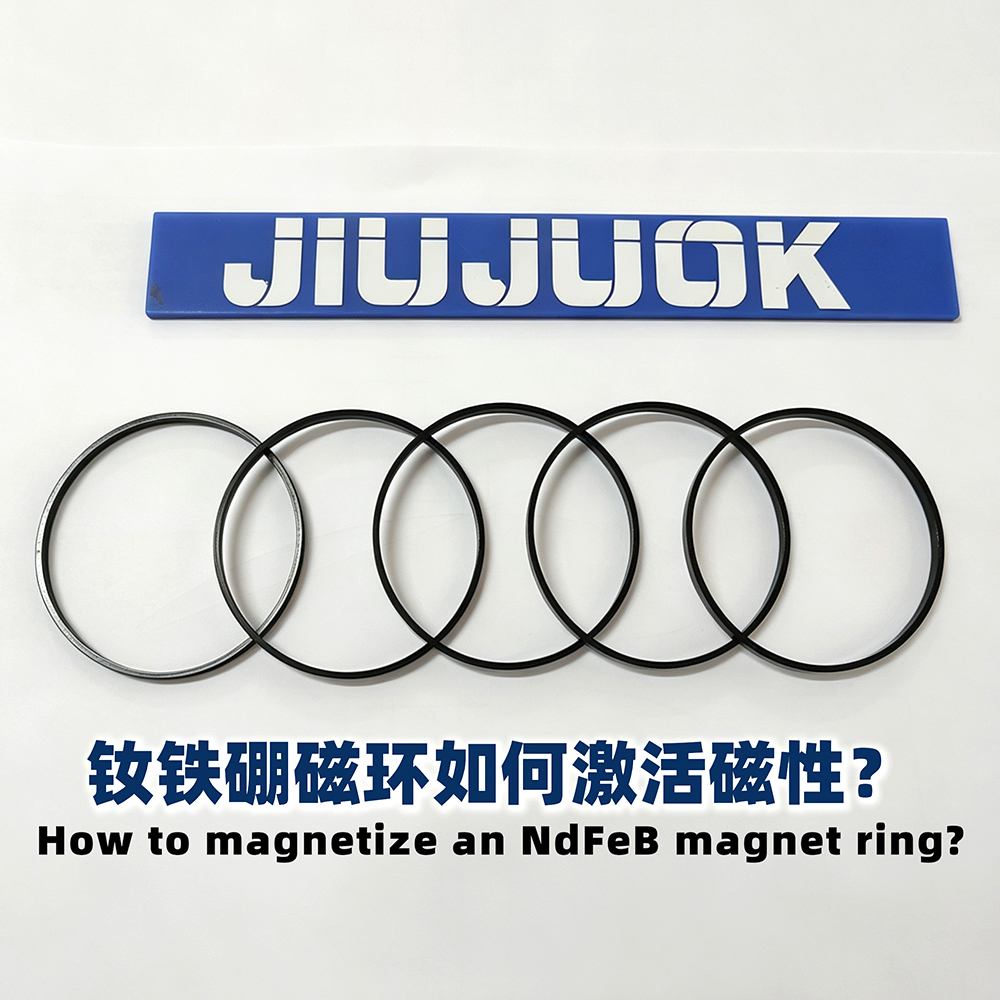
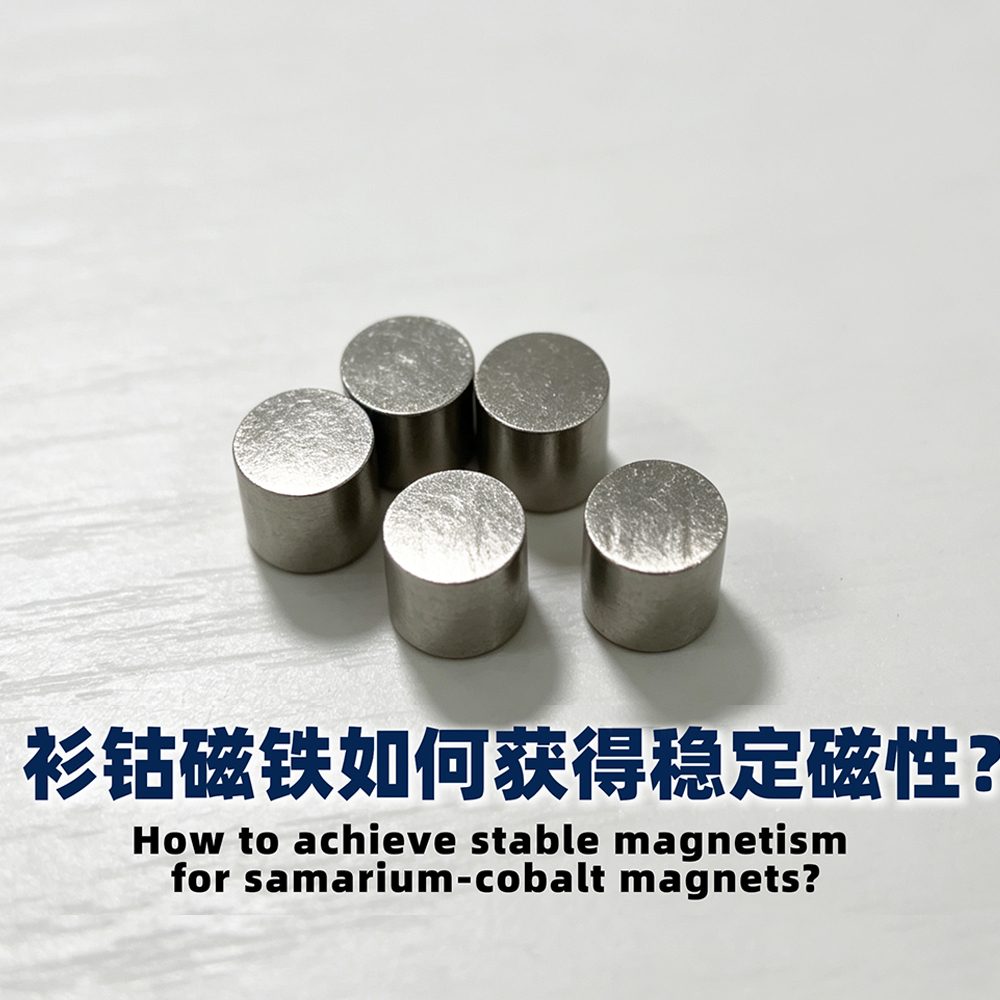

Video on Automatic Magnet Magnetization—Jiuju Magnetizer
August 17, 2026
Magnetization itself is a physical process that takes place in milliseconds; what truly slows down the overall production cycle are the manual loading, unloading, and alignment and calibration steps. In manual magnetization mode, workers must pick up and place each part individually and verify the polarity direction, which takes several seconds per part. Production capacity fluctuates significantly depending on the workers’ skill level and fatigue, and the strong magnetic field environment also poses safety hazards.
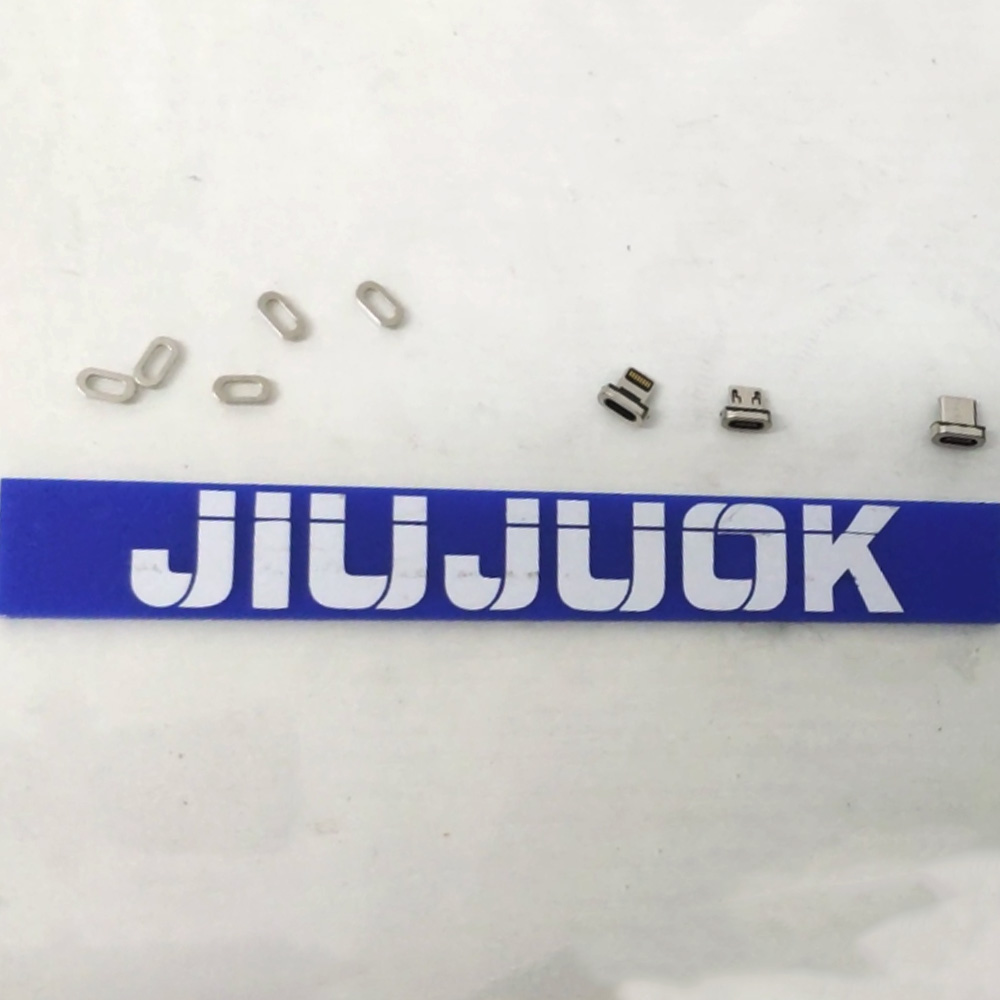
Magnetization for Magnetic Phone Chargers – Precisely Aligned with Core Magnetic Charging Processes
November 13, 2025
We specialize in magnetization and testing services for magnetic phone charger heads and magnetic data cables. Using precise magnetization processes, we ensure stable magnetic performance of charger heads and professionally verify that data cables meet magnetic performance standards. This guarantees secure connections, reliable use, and compatibility with all mobile magnetic charging scenarios.
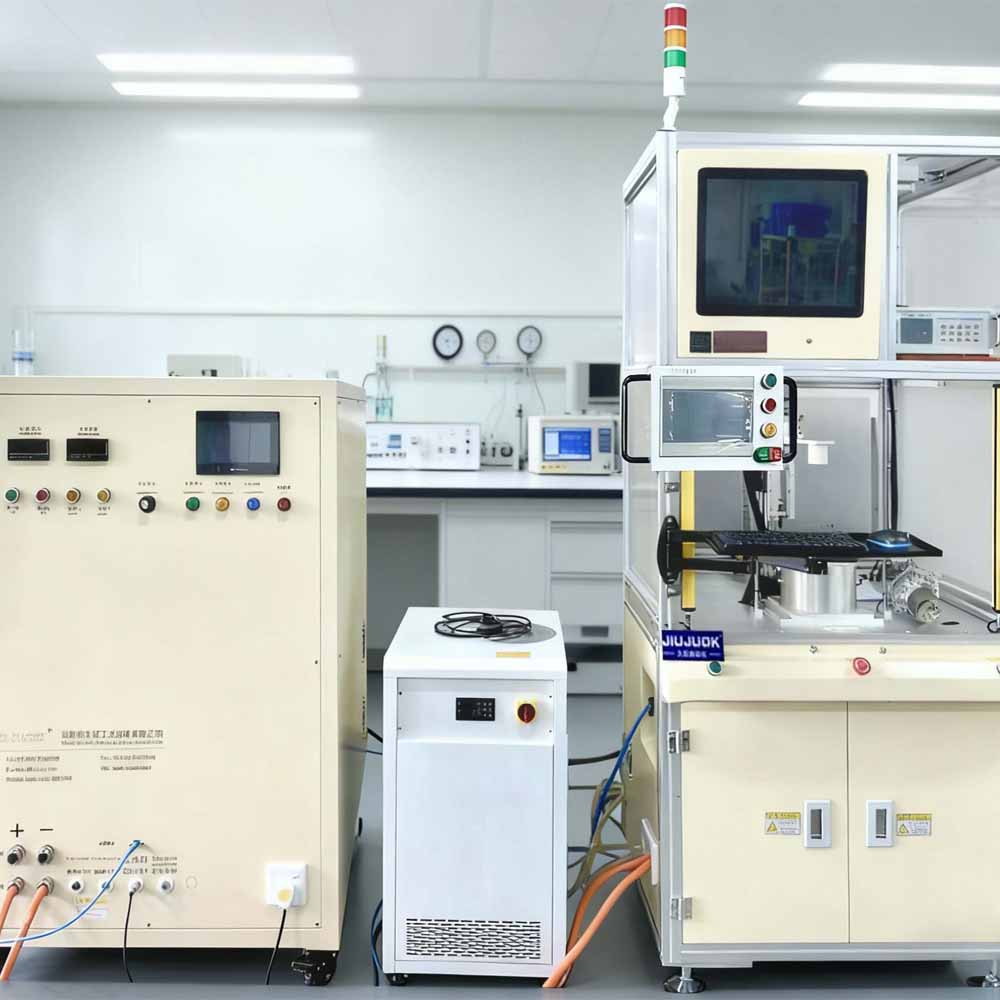
JIUJU Electronic Magnetizers: Solving Industry Pain Points and Achieving the Optimal Balance of Performance and Cost
November 11, 2025
JIUJU electronic magnetizers address the challenges faced by electronics manufacturers. Using transformer step-up and pulse phase-shift control technology, they ensure magnetization precision and efficiency. Intelligent dual cooling and optimized material selection reduce costs, achieving a balance of high performance and low cost while improving production efficiency.


Video on Automatic Magnetization of Bearing Steel—Jiuju Magnetizer
August 19, 2026
SK3 high-carbon steel is a type of carbon tool steel. It is not a permanent magnet material in itself, but can be made to possess stable magnetic properties through a specialized magnetization process, meeting the requirements of industrial applications such as magnetic bearings and positioning and holding.


Why Does the Tip “Stick” to the Screw? A Video Explanation of Magnetization—Jiuju Magnetizing Machine
August 2, 2026
Magnetic screwdrivers are typically made of alloy steel, which inherently possesses some residual magnetism. When magnetized, the screwdriver is placed in a strong pulsed magnetic field, causing the internal magnetic domains to align axially. Once the external magnetic field is removed, the screwdriver retains a stable magnetic field, enabling it to attract iron screws.
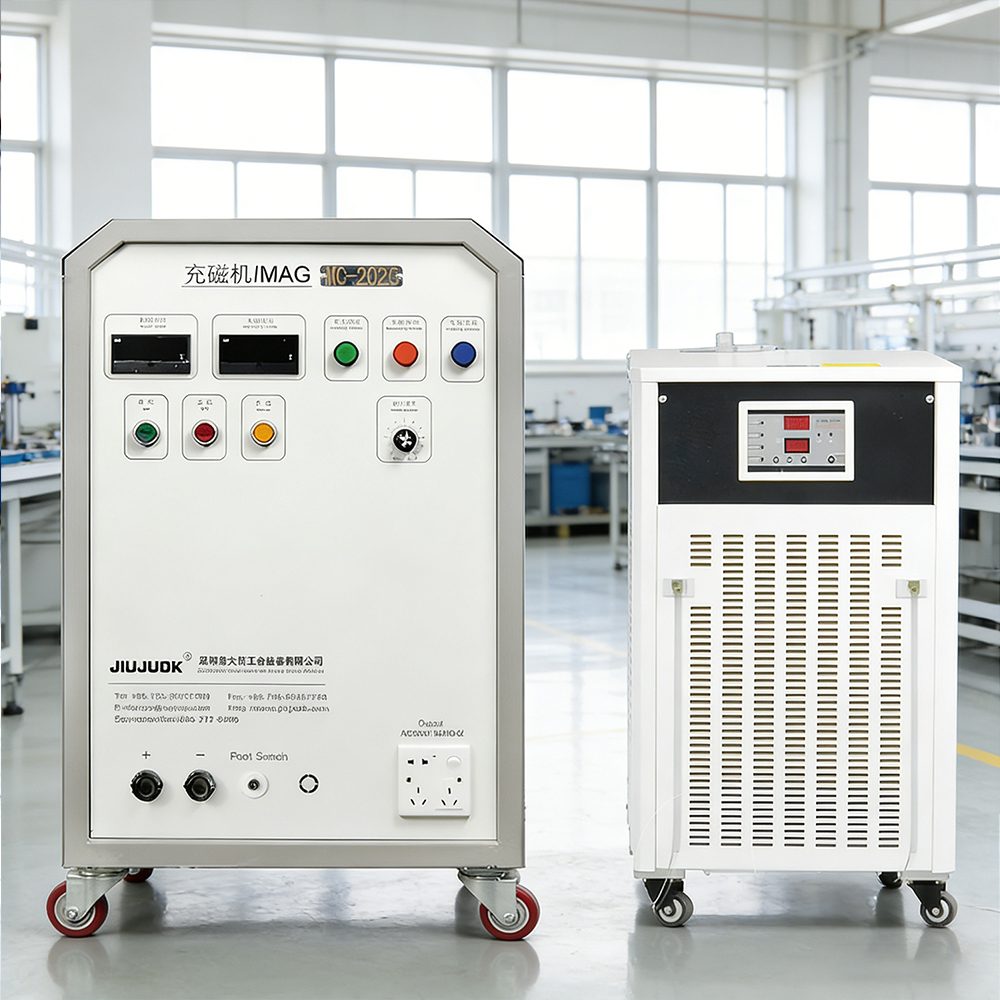
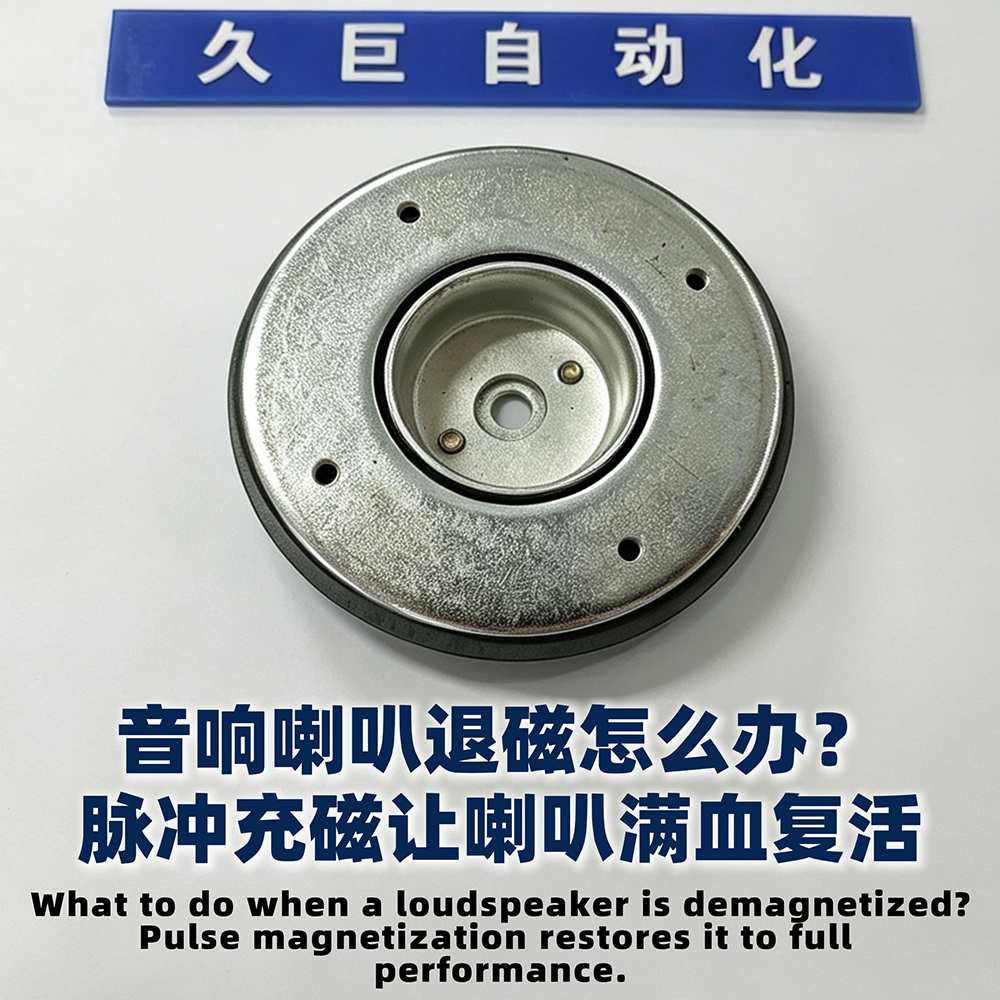
Case Study: Magnetizing and Restoring Vintage Audio Speakers—Jiuju Magnetizing Machine
July 6, 2026
In the field of audio collection and repair, due to the age of antique speakers, long-term use or storage environment, there are often magnet demagnetization problems, resulting in weak sound, declining resolution, low-frequency loss, losing the original sound quality level. Relying on professional magnetizing equipment and mature technology, JiuJu Automation has completed many cases of antique speaker magnetization repair, and the following combines real data and practical procedures to introduce the technology and examples in detail.
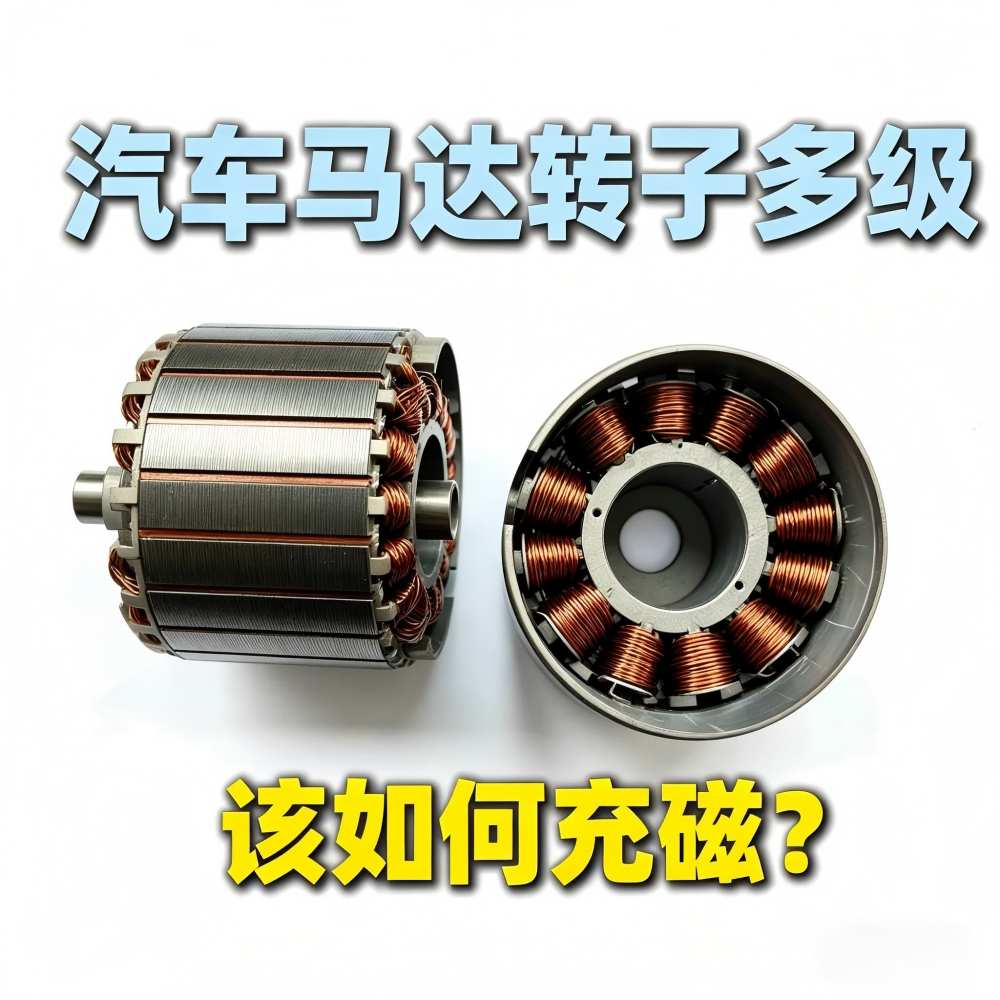
Video on Magnetizing Automotive Motor Rotors—Jiuju Magnetizing Machine
July 22, 2026
Jiuju Automation’s automotive motor rotor magnetization machine utilizes advanced magnetization technology to ensure a uniform and stable rotor magnetic field, thereby enhancing motor performance and efficiency. It is widely used in the manufacturing of drive motors for new energy vehicles.

Video Case Study: Magnetizing Machine for Automotive Motor Rotors—Jiuju Magnetizing Machine
July 5, 2026
”In traditional pre-magnetization processes, magnetizing the magnets in advance causes the magnetic poles to repel each other and attract iron filings during motor assembly, which limits yield rates and poses safety hazards.” The "assemble first, magnetize later" approach uses integrated magnetization technology to allow magnets to be precisely positioned in a non-magnetized state, with magnetization and shaping performed uniformly after assembly is complete. This innovation eliminates magnetic interference, enables the design of motors with higher rotational speeds, and boosts assembly efficiency by more than 30%. It is rapidly becoming the mainstream choice among manufacturers of new energy motors and servo motors.

JIUJU Four-Station Motor Magnetizer – A Revolutionary Solution to Enhance New Energy Vehicle Motor Manufacturing Efficiency
November 10, 2025
Professional Four-Station Motor Magnetizer Solution – Providing highly efficient, automated magnetization and testing integrated equipment for new energy vehicles, consumer electronics, and industrial motor manufacturers. Significantly boosts production efficiency by 300%, reduces labor costs, and ensures consistent product quality.

JiuJu Magnetic Stripe Magnetization Video Case: Medical Magnetic Stripe Magnetization
January 7, 2026
久巨充磁视频案例:医疗磁条充磁。久巨自动化(小巨人)提供充磁设备、表磁检测、磁路机整体方案,磁密波动±0.2%、即充即检。联系久巨自动化获取更多充磁方案报价,+86 134-2897-6919/180-0255-6337微信同号、邮箱sam@szjiuju.comThe

Video Guide on How to Select a Magnetizing Machine—Jiuju Magnetizing Machines
August 8, 2026
When selecting a magnetizing machine, most people focus solely on the main unit’s power as their first step—and this is precisely the biggest misconception. The magnetizing effect depends on the synergy between energy output and the magnetic field focusing provided by the fixture, not simply on the rated power.
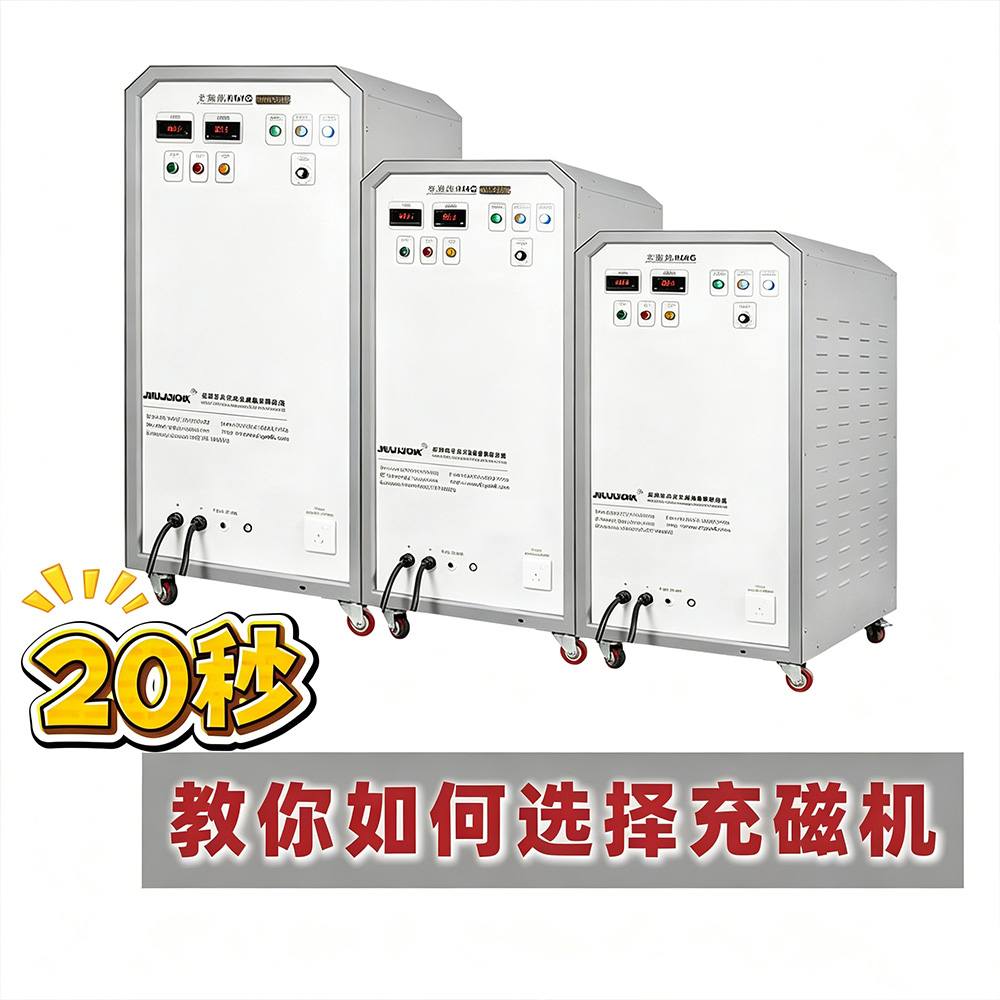
A 20-Second Video Guide on How to Choose a Magnetizing Machine—Jiuju Magnetizing Machine
July 21, 2026
Learn how to select the right Jiuju magnetizing machine in just 20 seconds and easily find the model that fits your needs. You can check the specifications from multiple angles one by one. Start by determining the type of magnet in your product; different materials correspond to specific machine specifications.
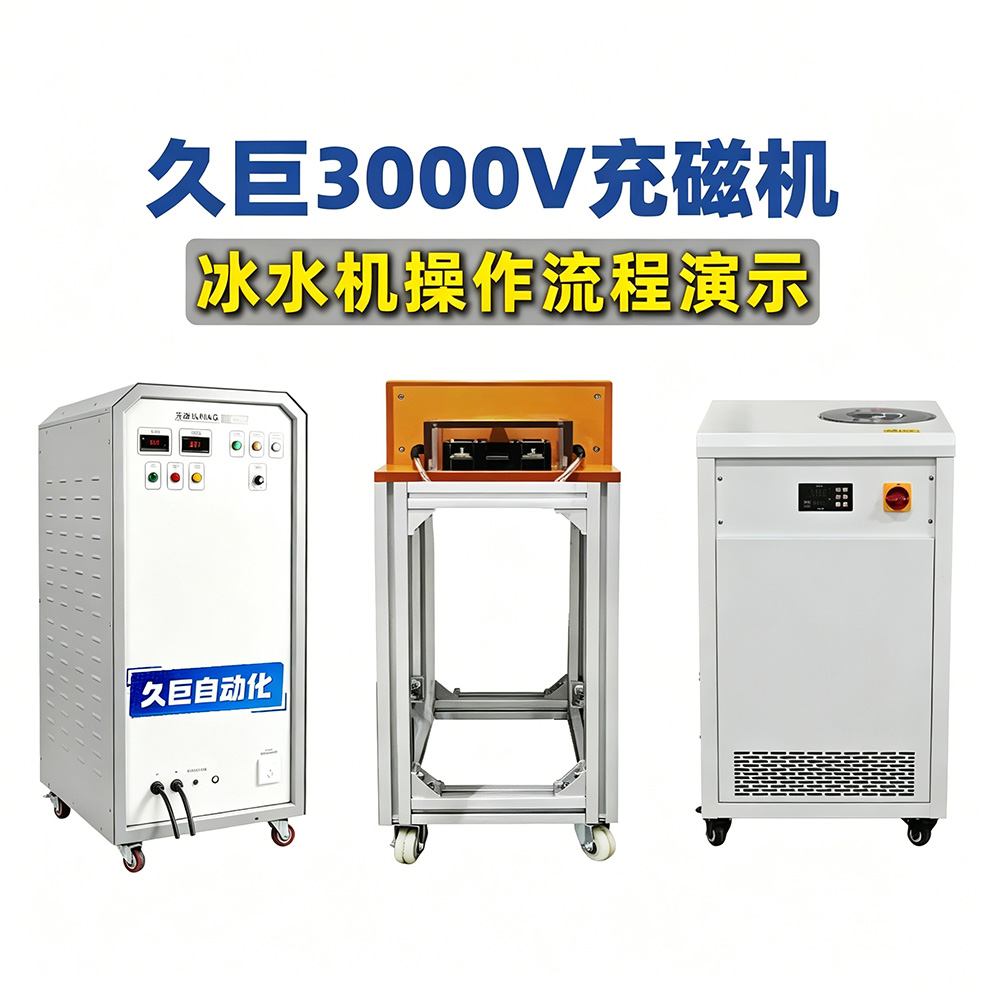
3000V Magnetizing Machine and Chiller Operation Demonstration Video—Jiuju Magnetizing Machine
July 3, 2026
This issue provides a comprehensive guide to the standard operating procedures for ice water machines. Mastering the correct usage will effectively improve the equipment’s operational efficiency. Before starting the machine, inspect the piping, wiring, and water level to ensure there are no leaks and that all components are in good condition. Turn on the main power supply, check the equipment’s self-test status, and set operating parameters such as water temperature and pressure according to production requirements.
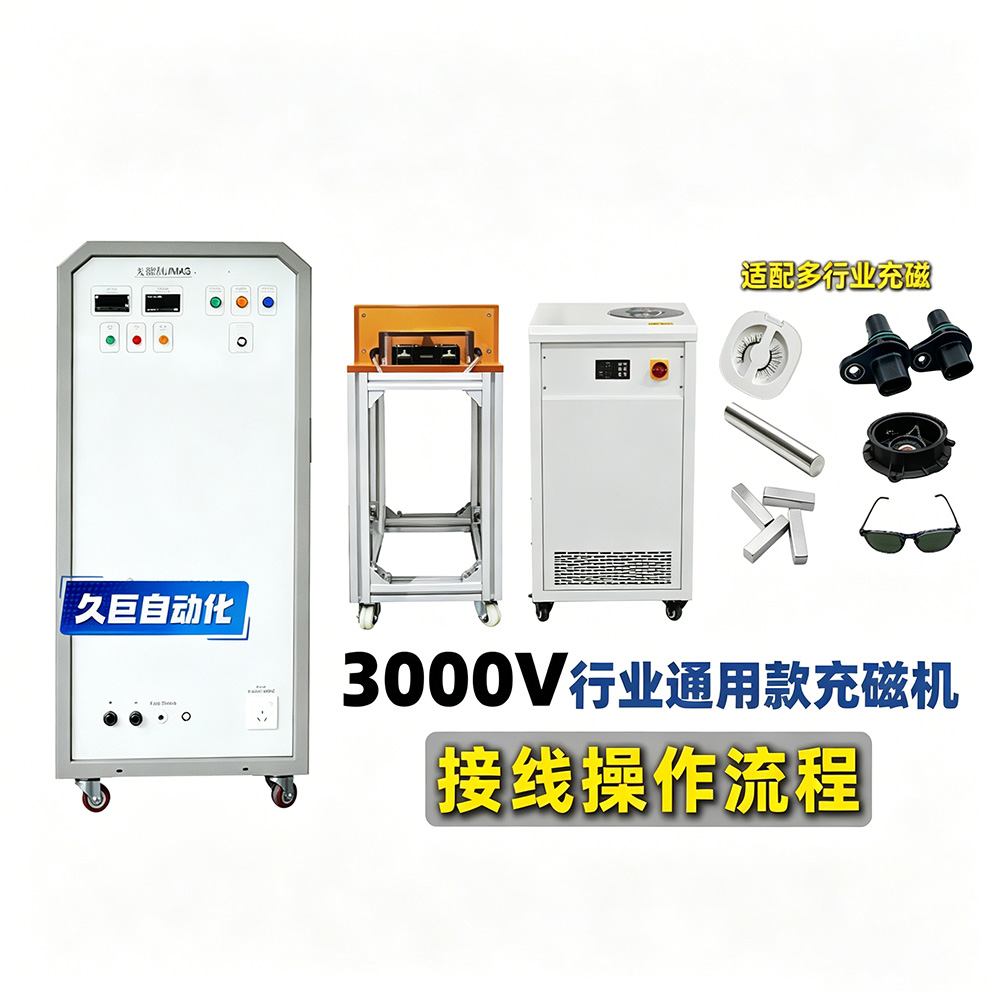
Video on the Wiring Procedure for a 3000V General-Purpose Industrial Magnetizer—Jiuju Magnetizer
July 2, 2026
Before proceeding, be sure to disconnect the equipment from the main power supply and verify that the unit is completely de-energized to prevent any live wiring work. First, inspect the power cord and connection cables to ensure there is no visible damage or wear, and that the connectors are free of debris and dirt. Match the connectors to the corresponding labels on the equipment, and connect the power supply line, magnetizing coil line, and control line in sequence. Ensure the plugs are securely locked into place, and arrange the cables neatly so they are not pinched or tangled.

 English
  Chinese
  Russian
  Vietnamese
  Korean
  Thai
Thai  French
  Spanish
  Japanese
  Hindi
Hindi  Bengali
  Portuguese