 Jiu Ju Magnetizer


A Must-Read When Choosing a Magnetizing Machine: What Types of Magnetic Materials Is It Compatible With?
End-to-End Solution for Magnetization Automation
Automated Magnetic Charging Integrated Solution
When selecting a magnetizing machine, material compatibility is a key evaluation criterion. Different magnetic materials vary significantly in coercivity and magnetization characteristics. If the equipment is not compatible with the material, the consequences range from incomplete magnetization and substandard magnetic performance to, in severe cases, magnet fracture and performance degradation—all of which directly impact mass production quality and overall costs.
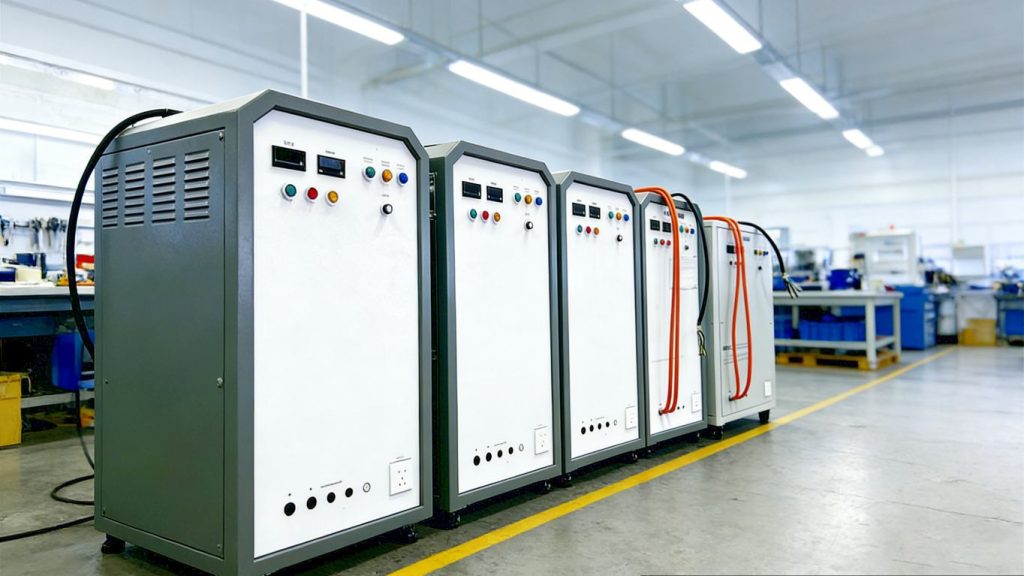
Currently, mainstream magnetizable magnetic materials are primarily divided into three categories. The first is ferrite magnetic material, which has relatively low coercive force and requires little energy for magnetization. It is the standard type compatible with conventional magnetizing equipment and is widely used in applications such as home appliances and general-purpose motors. When selecting this material, the key consideration is the compatibility with multi-pole magnetizing fixtures. Second are neodymium-iron-boron (NdFeB) magnets, which are divided into sintered and bonded types; they are currently the mainstream material for high-end motors and precision equipment; High-grade neodymium-iron-boron magnets have high coercivity and require a sufficiently strong magnetizing field to achieve saturation magnetization; for thin magnets, magnetizing energy must be precisely controlled to prevent cracking caused by transient surges. Third are specialty magnetic materials such as samarium-cobalt and aluminum-nickel-cobalt. Samarium-cobalt is heat-resistant and has high coercivity, making it suitable for extreme operating conditions; Aluminum-nickel-cobalt has high residual magnetism but low coercive force; the magnetization parameters for these two materials differ significantly, requiring equipment capable of wide-range energy adjustment.

A common misconception when selecting equipment is the assumption that a single general-purpose model can handle all materials. In reality, materials with high coercivity have specific requirements for the magnetizing circuit and the magnetic field focusing capability of the fixtures; general-purpose models often fail to achieve full saturation magnetization. During the selection phase, it is necessary to consider the grades, dimensions, and magnetization directions of the materials you commonly use, and to verify the equipment’s energy output range and process compatibility through actual sample testing.

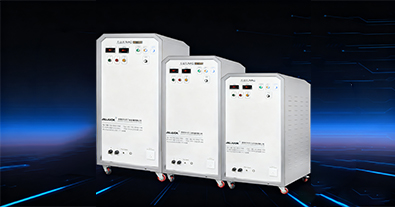
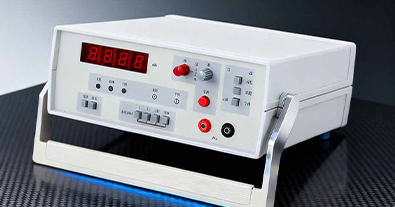
To meet the needs of various materials, Jiuju’s magnetization equipment supports precise energy control across a wide range, making it suitable for ferrites, neodymium-iron-boron, samarium-cobalt, and other magnetic materials. When paired with customized magnetization fixtures, the system can optimize magnetization parameters based on material characteristics, ensuring consistent magnetization saturation and mass production consistency across various scenarios.
Magnetization of Magnetic Materials
3C Electronic Magnetization
Motor Rotor Magnetization
Car Speaker Magnetization
New Energy Vehicle Industry
Medical Equipment Industry
Other Industries

Jiuju Magnetization 100 Q&A: What Counts as a Defective Magnet
Nov 10, 2026
Defects in permanent magnets go beyond appearance: magn…
Magnetization 100 Q&A: Choosing the Magnet Operating Temperature
Nov 10, 2026
Operating temperature is the core constraint in magnet …

Precise Magnetization Control for AlNiCo Magnets: Case Video
Oct 30, 2026
AlNiCo magnets keep stable flux thanks to a very low te…

How NdFeB Magnets Achieve Stable Magnetism: Case Video
Oct 9, 2026
Stable NdFeB performance requires the right grade, a co…
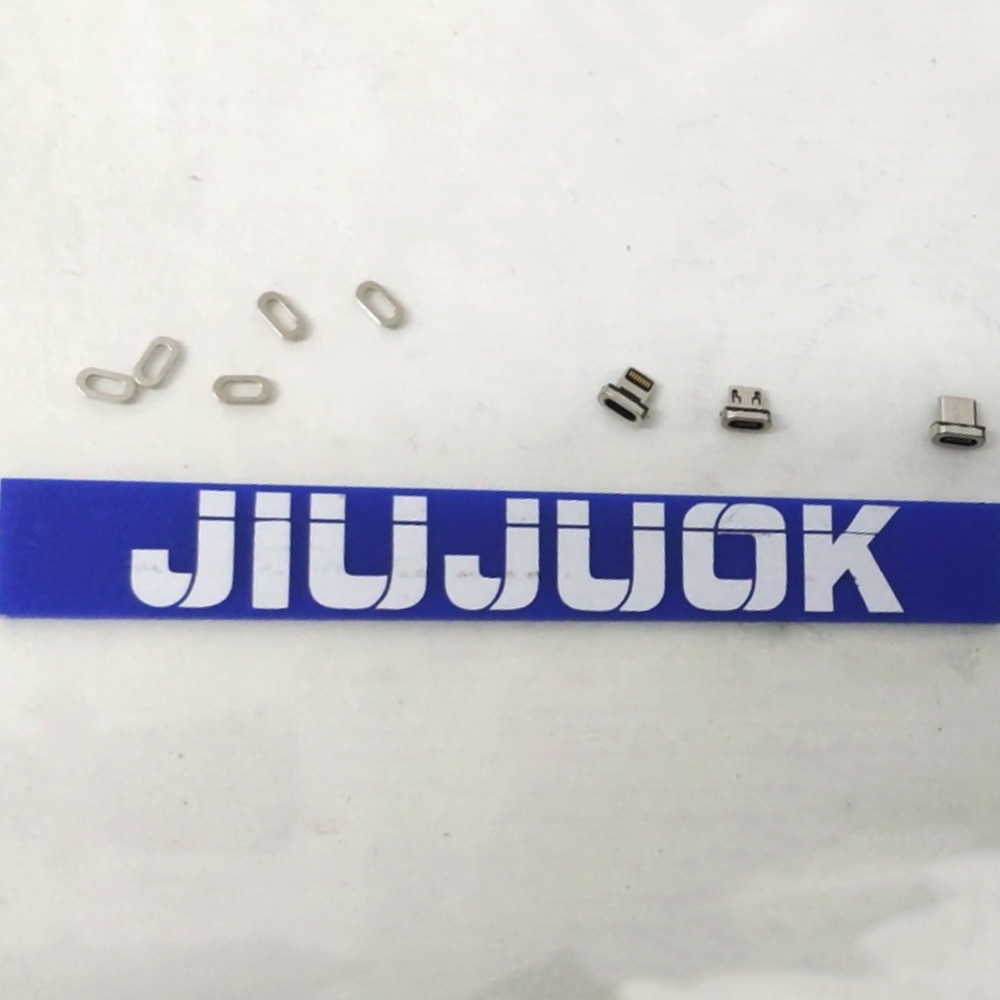
Magnetization for Magnetic Phone Chargers – Precisely Aligned with Core Magnetic Charging Processes
Nov 13, 2025
Magnetizing magnetic charging heads for phones: matchin…
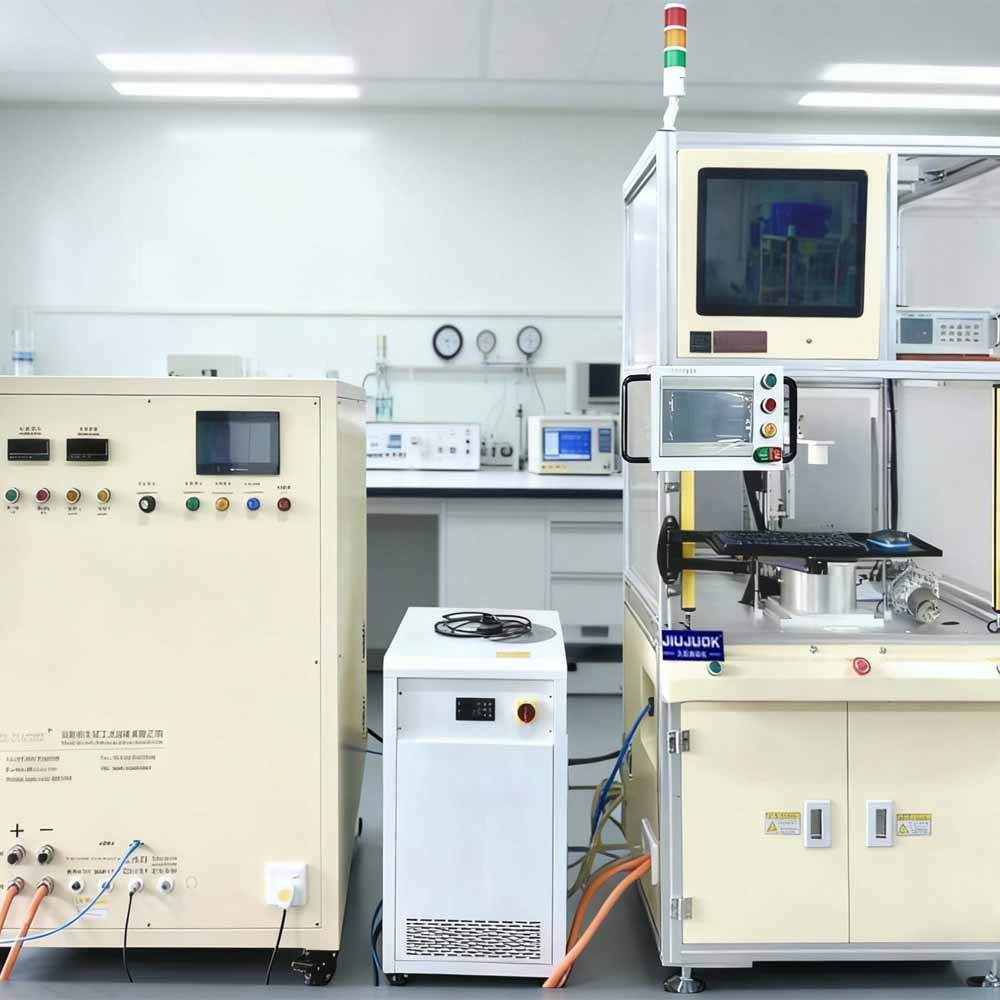
JIUJU Electronic Magnetizers: Solving Industry Pain Points and Achieving the Optimal Balance of Performance and Cost
Nov 11, 2025
The Jiuju electronic magnetizer balances performance an…
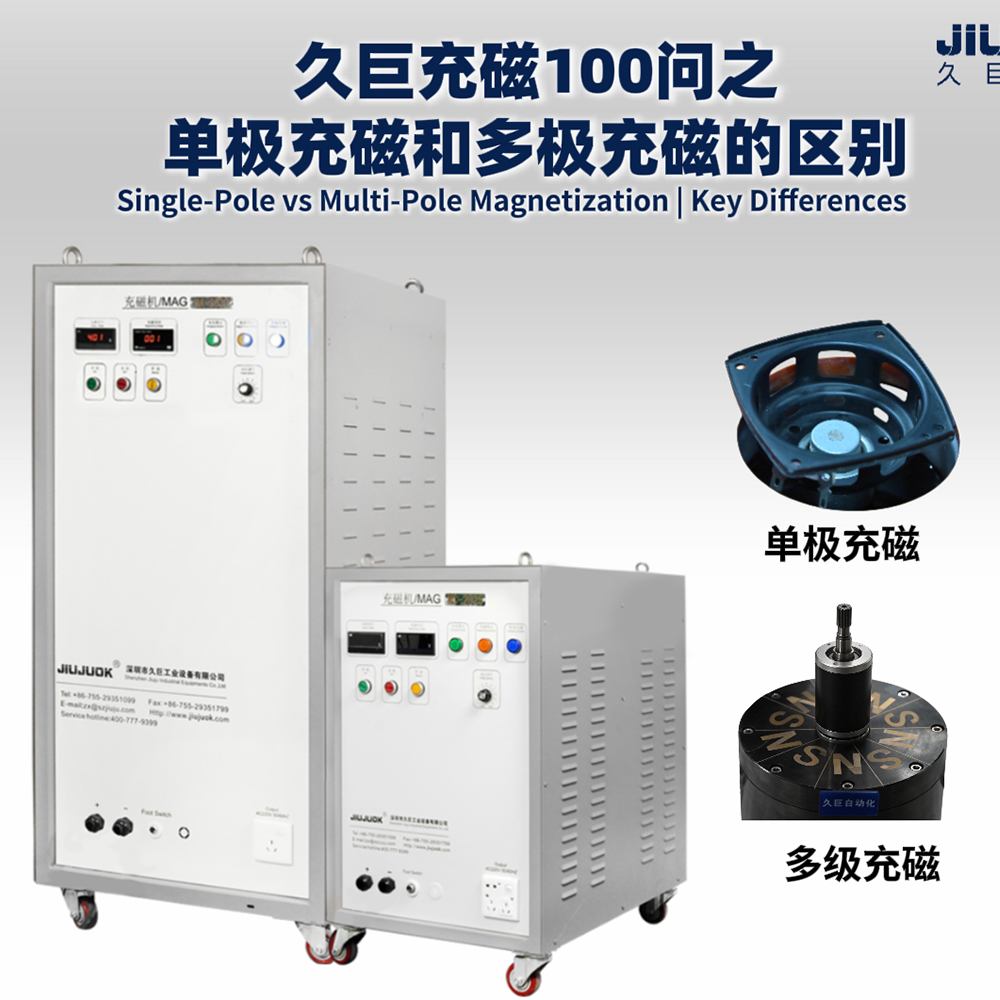
Magnetization 100 Q&A: Single-Pole vs Multi-Pole Magnetization
Nov 10, 2026
This video explains the difference between single-pole …

Video Demonstrating the Magnetization of Jiuju High-Frequency Drivers—Jiuju Magnetizer
Sep 14, 2026
Case video: Video Demonstrating the Magnetization of Ji…

Unusual Noises and Power Loss in Motors? The Root Cause Is an Uneven Magnetic Field—Jiuju Magnetizing Machine
Sep 6, 2026
Motor noise and torque loss often trace back to uneven …

Why Magnetic Field Measurement Is Essential for Mass Production Quality Control of Permanent Magnet Motors—Jiuju Magnetizing Machines
Sep 5, 2026
Why surface flux inspection is indispensable for volume…

How Critical Is Magnetization in Magnetic Switch Production?
Oct 29, 2026
In magnetic switches, magnetization controls holding fo…

Video Demonstrating Jiuju's Magnetization Process for Antique Speakers—Jiuju Magnetizer
Sep 13, 2026
Case video: Video Demonstrating Jiuju’s Magnetization P…
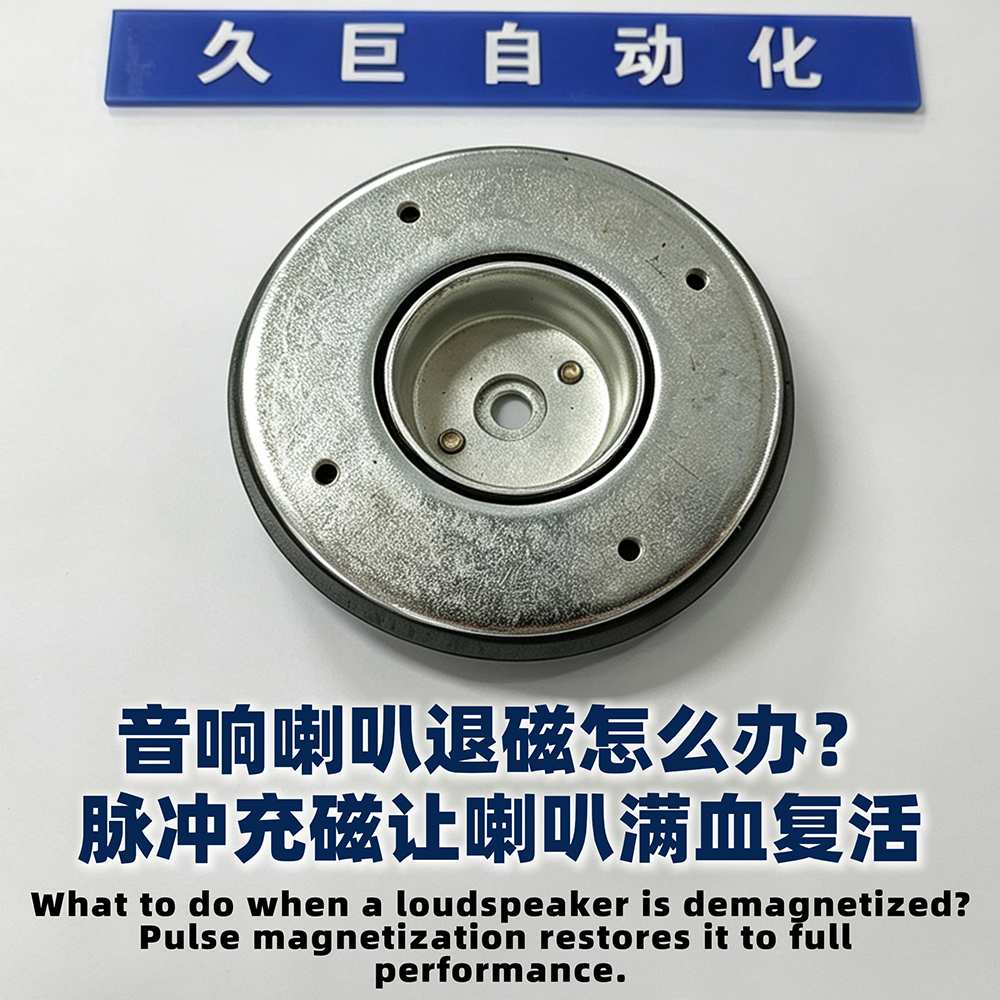
Video Demonstrating the Magnetization Process for Jiuju Speakers—Jiuju Magnetizer
Sep 10, 2026
Case video: Video Demonstrating the Magnetization Proce…

Why Does the Tip “Stick” to the Screw? A Video Explanation of Magnetization—Jiuju Magnetizing Machine
Aug 2, 2026
Case video: Why Does the Tip “Stick” to the Screw? A Vi…
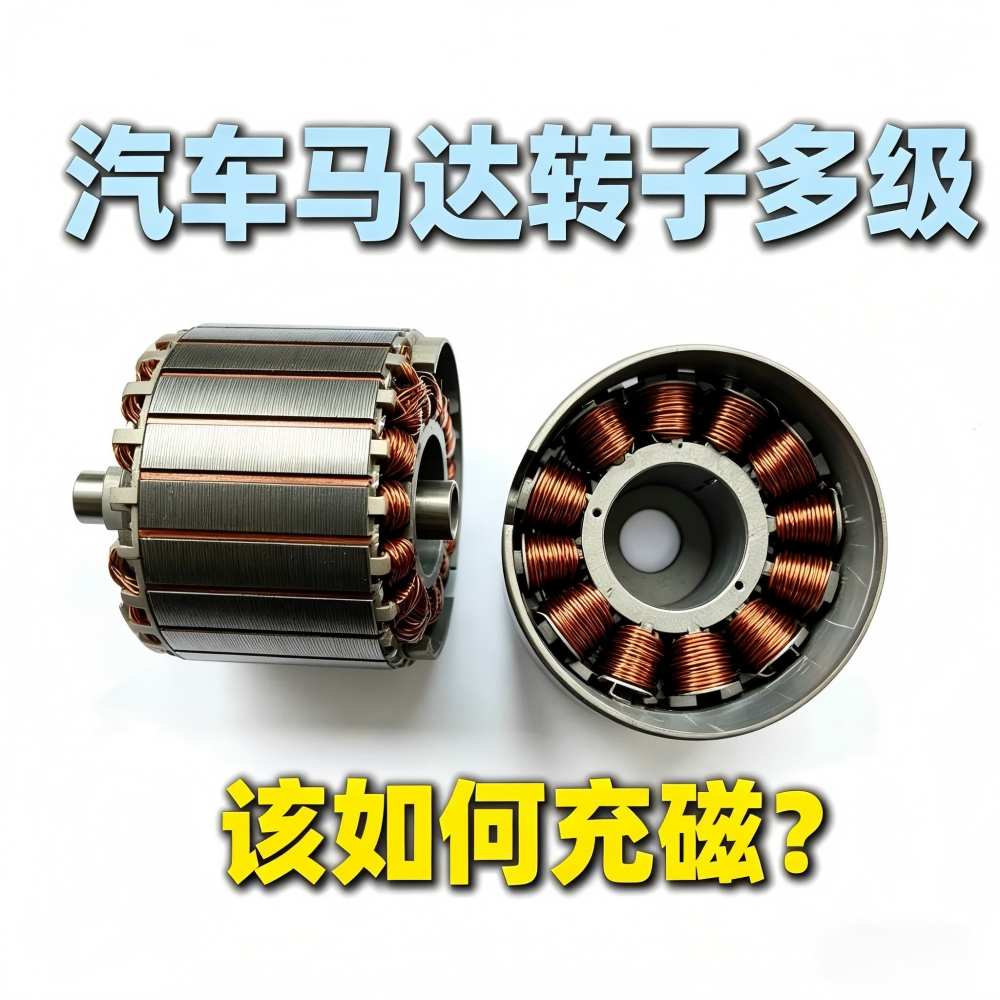
Video on Magnetizing Automotive Motor Rotors—Jiuju Magnetizing Machine
Jul 22, 2026
Case video: Video on Magnetizing Automotive Motor Rotor…

Video Case Study: Magnetizing Machine for Automotive Motor Rotors—Jiuju Magnetizing Machine
Jul 5, 2026
Case video: Video Case Study: Magnetizing Machine for A…

JIUJU Four-Station Motor Magnetizer – A Revolutionary Solution to Enhance New Energy Vehicle Motor Manufacturing Efficiency
Nov 10, 2025
The Jiuju four-station motor magnetizer improves effici…


Video Guide on How to Select a Magnetizing Machine—Jiuju Magnetizing Machines
Aug 8, 2026
Case video: Video Guide on How to Select a Magnetizing …
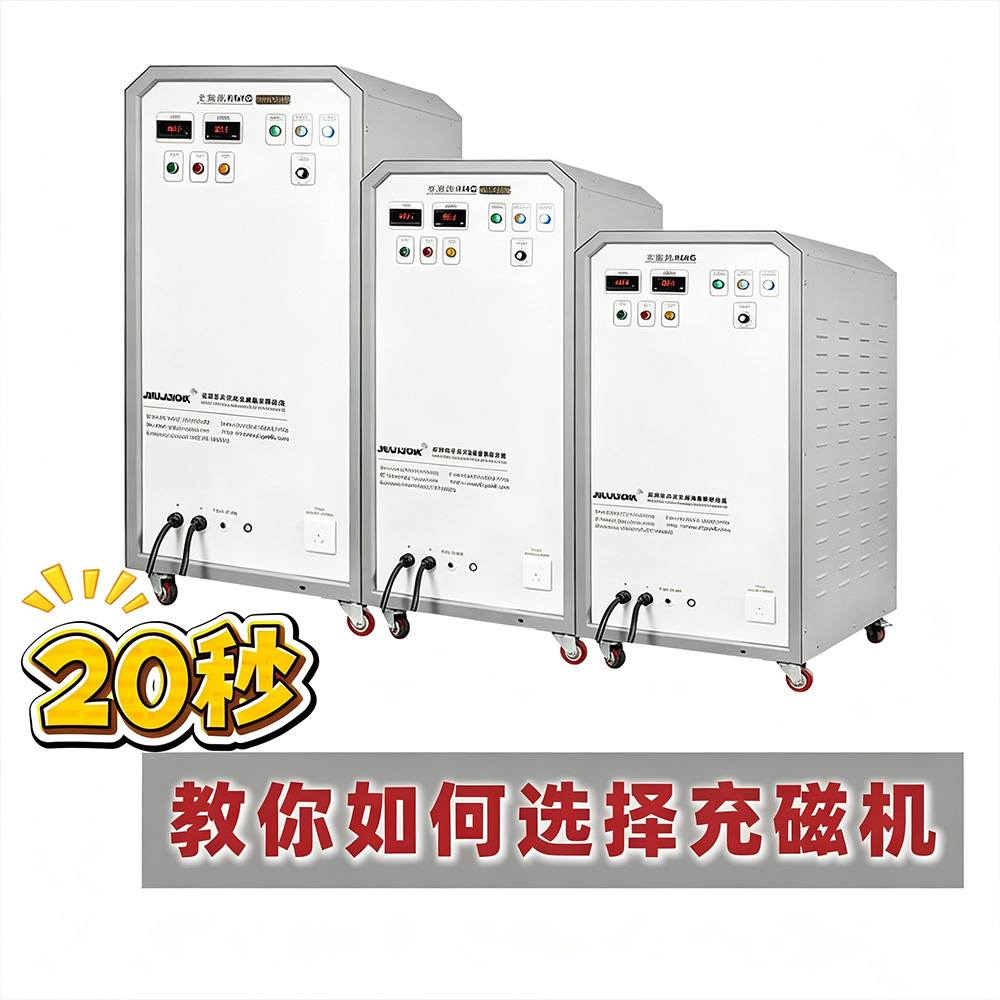
A 20-Second Video Guide on How to Choose a Magnetizing Machine—Jiuju Magnetizing Machine
Jul 21, 2026
Case video: A 20-Second Video Guide on How to Choose a …
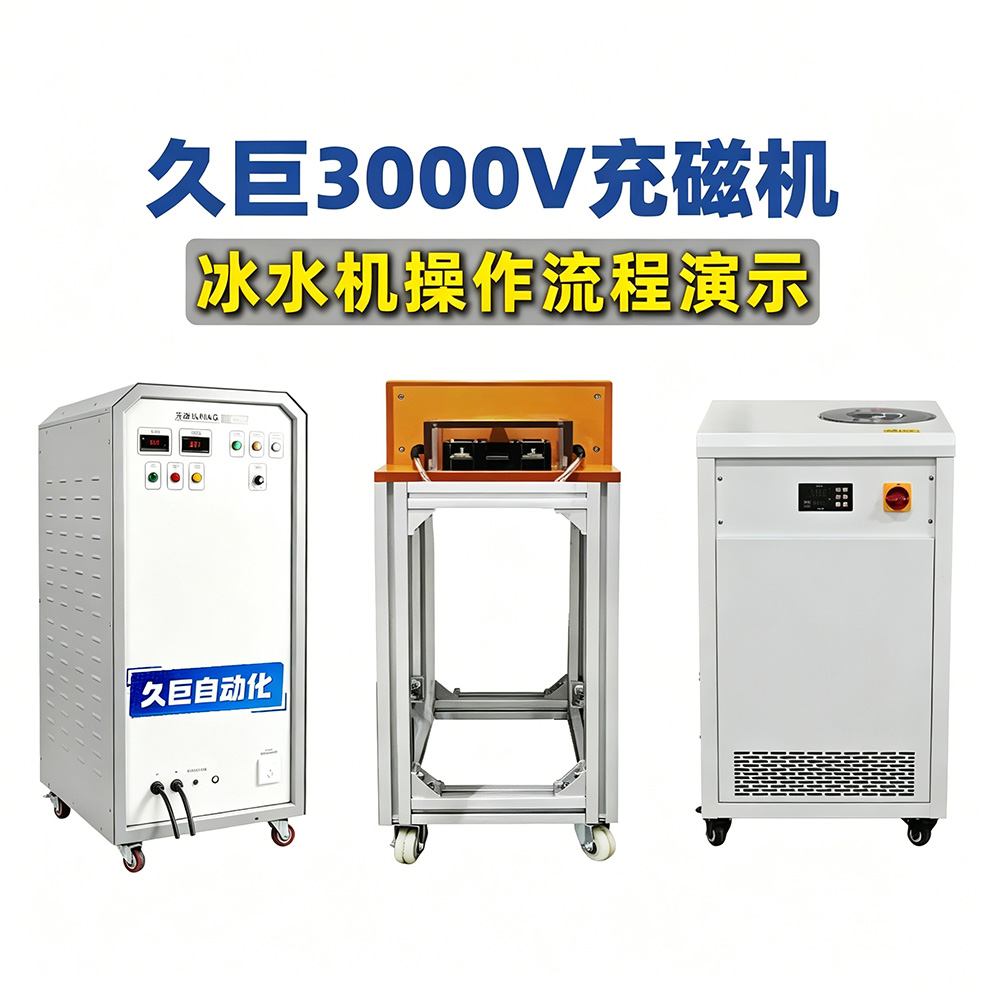
3000V Magnetizing Machine and Chiller Operation Demonstration Video—Jiuju Magnetizing Machine
Jul 3, 2026
Case video: 3000V Magnetizing Machine and Chiller Opera…
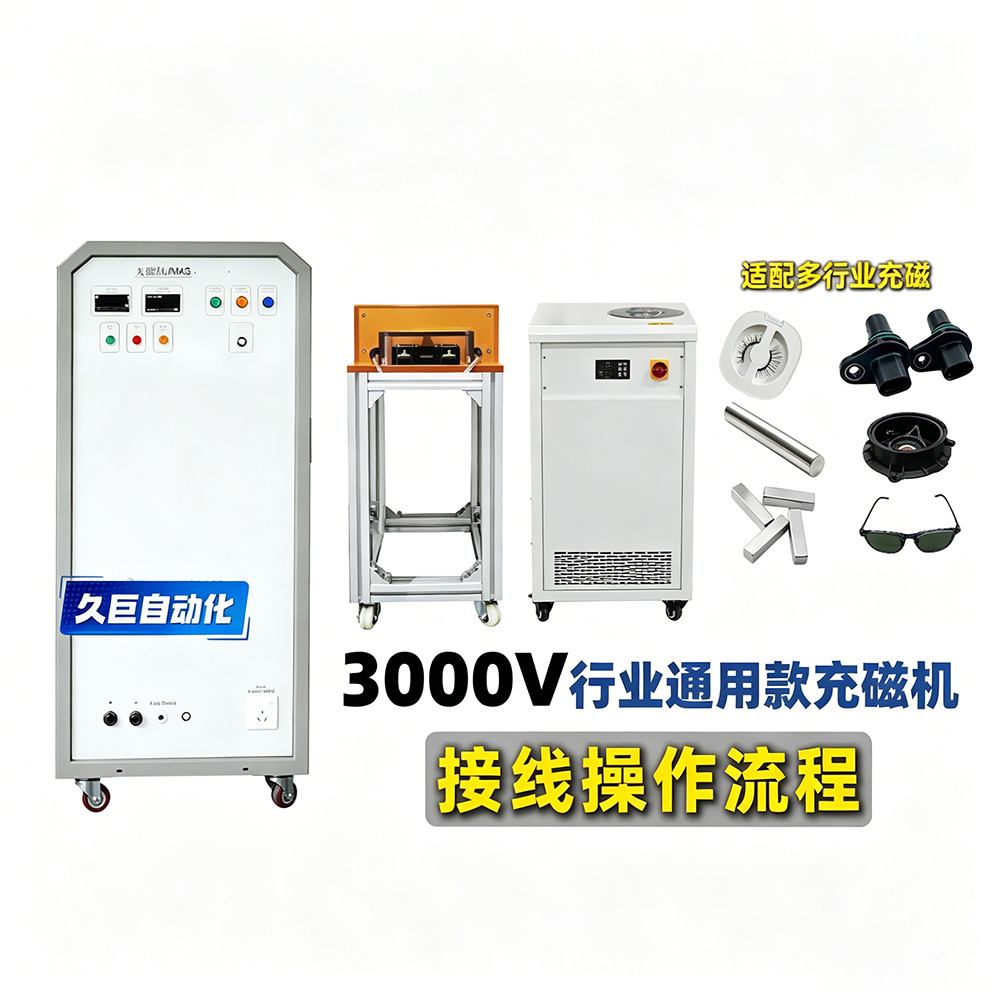
Video on the Wiring Procedure for a 3000V General-Purpose Industrial Magnetizer—Jiuju Magnetizer
Jul 2, 2026
Case video: Video on the Wiring Procedure for a 3000V G…

 English
 Chinese
 Russian
 Vietnamese
 Korean
 Thai
 French
 Spanish
 Japanese
 Hindi
 Bengali
 Portuguese