 Jiu Ju Magnetizer


Did the Magnet Shatter with a "Pop" During Magnetization? Analysis of the Causes of Fracture and Preventive Measures—Jiuju Magnetizer
End-to-End Solution for Magnetization Automation
Automated Magnetic Charging Integrated Solution
Q1: The magnet shattered with a loud crack inside the magnetizing coil. Does this mean the magnet itself had a crack?
A: Not necessarily. At the moment of magnetization, the magnet is subjected to the combined effects of electromagnetic forces, thermal stresses, and mechanical clamping. A pulse current of several thousand amperes generates a magnetic field that instantly induces enormous Maxwell stresses within the magnet. If there are microcracks inside the magnet or if the sintering density is uneven, these stresses will directly tear the cracks open. The clamping setup is also critical—if the fixture clamps too tightly or the clamping is uneven, the local temperature can spike by several dozen degrees at the moment of the pulse discharge, and the combination of thermal stress and clamping force will cause the magnet to shatter. A typical cause of cracking is securing the magnet with iron screws. When the screw heads become magnetized, they concentrate local stress at a single point, causing the magnet to shatter as soon as the pulse is applied.
Q2: What size magnets are most likely to shatter during magnetization?
A: Thin sheets and irregularly shaped parts are the most prone to breakage. Thin sheets less than two millimeters thick already have low bending strength; if the electromagnetic force acts perpendicular to the sheet at the moment of magnetization, they can crack as easily as thin glass. A sensor manufacturer in Zhuhai produces N50 rectangular magnetic plates that are 1.5 millimeters thick. Initially, the breakage rate was 8 percent, but after they began placing the plates flat inside the coil so that the electromagnetic force was distributed along the plane, the breakage rate dropped to 0.3 percent. For irregularly shaped parts—such as magnets with notches or holes—the edges of these notches and holes act as stress concentration points, causing cracks to form at these locations first during magnetization. For such products, it is recommended to reduce the magnetization voltage by 10 to 15 percent and perform the process in two stages, sacrificing a small amount of efficiency to improve yield.
Q3: What are the consequences if the fragments of a broken magnetic disk are not thoroughly cleaned up?
A: Many people underestimate the dangers of debris. Debris and powder generated when a magnet shatters can get into the gaps in the coil. During the next magnetization cycle, these metal particles are heated by induced current, creating small sparks that burn through the coil’s insulation, eventually causing inter-turn short circuits over time. Debris can also get lodged in the positioning surfaces of the fixtures, causing the next magnet to be misaligned. This results in poor magnetization consistency without a clear explanation for the issue. If a magnet breaks, you must thoroughly blow out the coil, fixture, and work surface with compressed air. Remove any fine debris attracted by the magnet using adhesive tape—do not wipe it by hand, as this will not clean it properly and may actually push the debris deeper into the coil gaps. Failing to clean this thoroughly is like planting a time bomb in the equipment.

Magnetization of Magnetic Materials
3C Electronic Magnetization
Motor Rotor Magnetization
Car Speaker Magnetization
New Energy Vehicle Industry
Medical Equipment Industry
Other Industries

Jiuju Magnetization 100 Q&A: What Counts as a Defective Magnet
Nov 10, 2026
Defects in permanent magnets go beyond appearance: magn…
Magnetization 100 Q&A: Choosing the Magnet Operating Temperature
Nov 10, 2026
Operating temperature is the core constraint in magnet …

Precise Magnetization Control for AlNiCo Magnets: Case Video
Oct 30, 2026
AlNiCo magnets keep stable flux thanks to a very low te…

How NdFeB Magnets Achieve Stable Magnetism: Case Video
Oct 9, 2026
Stable NdFeB performance requires the right grade, a co…
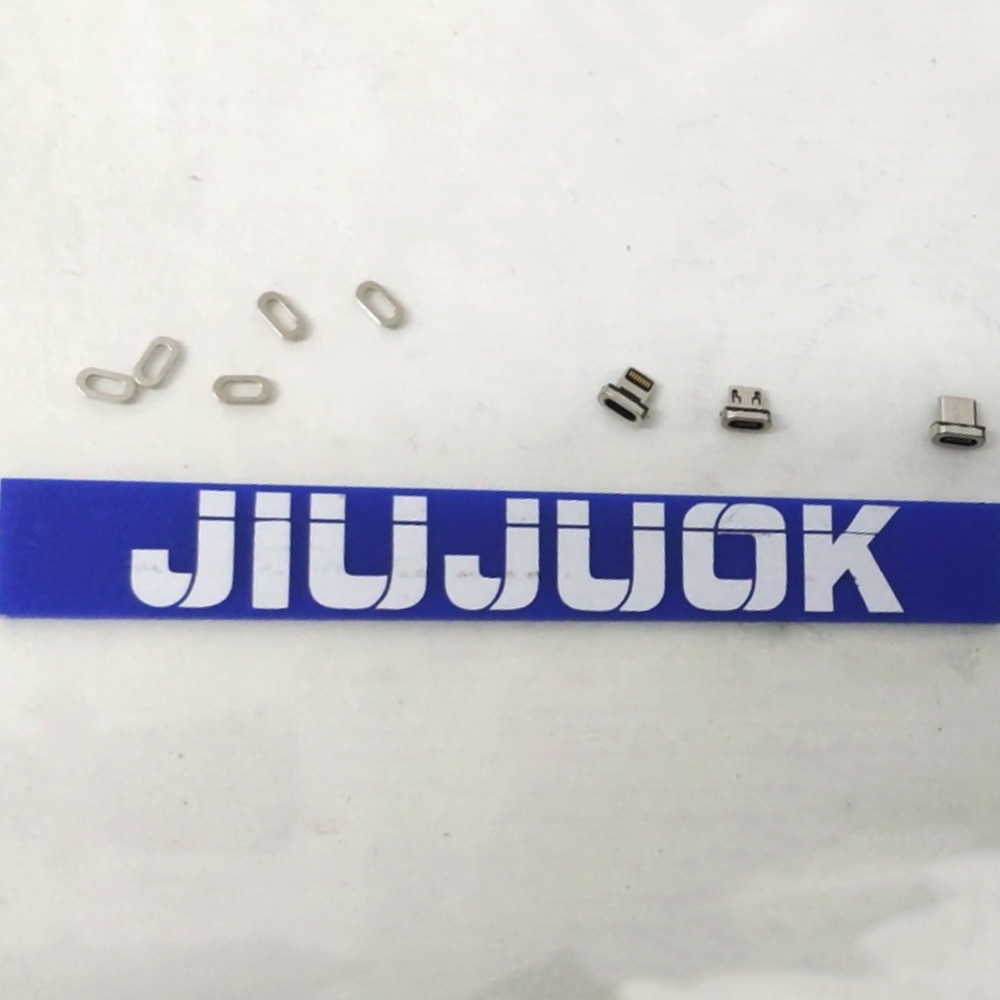
Magnetization for Magnetic Phone Chargers – Precisely Aligned with Core Magnetic Charging Processes
Nov 13, 2025
Magnetizing magnetic charging heads for phones: matchin…
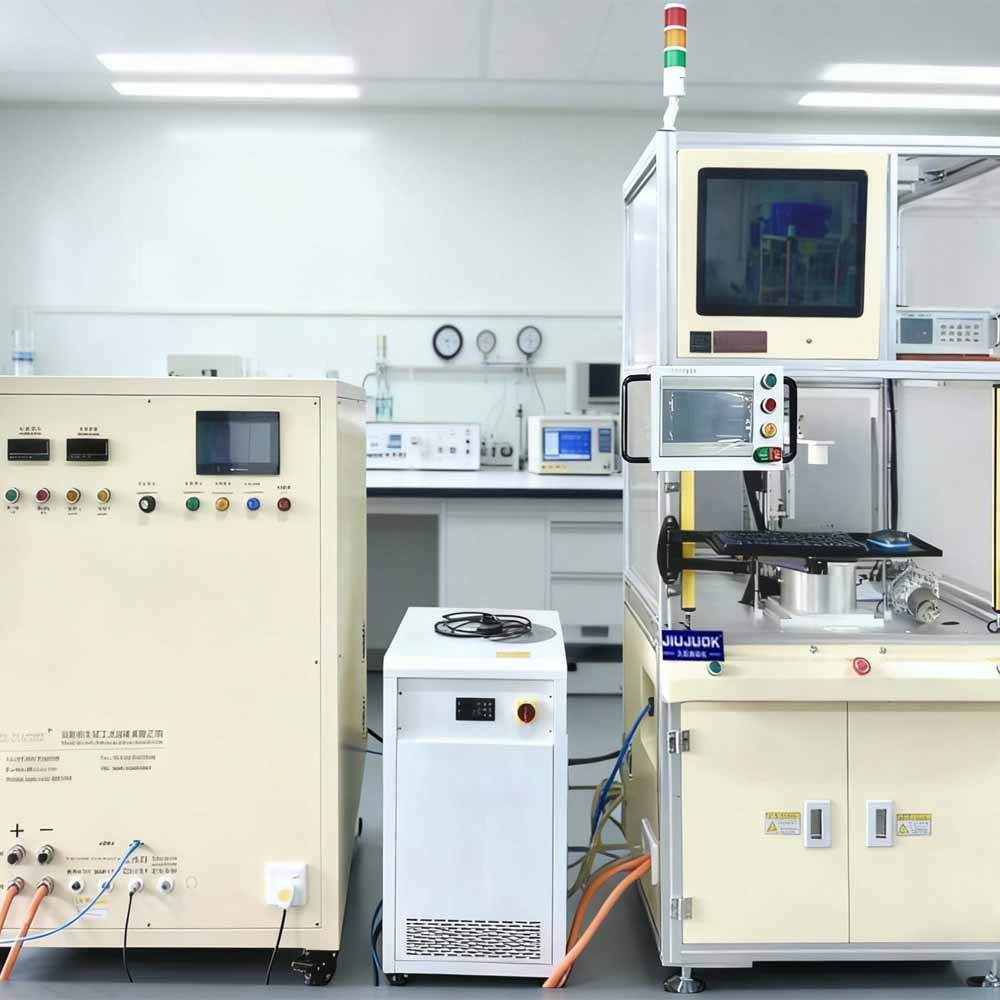
JIUJU Electronic Magnetizers: Solving Industry Pain Points and Achieving the Optimal Balance of Performance and Cost
Nov 11, 2025
The Jiuju electronic magnetizer balances performance an…

Magnetization 100 Q&A: Single-Pole vs Multi-Pole Magnetization
Nov 10, 2026
This video explains the difference between single-pole …

Video Demonstrating the Magnetization of Jiuju High-Frequency Drivers—Jiuju Magnetizer
Sep 14, 2026
Case video: Video Demonstrating the Magnetization of Ji…

Unusual Noises and Power Loss in Motors? The Root Cause Is an Uneven Magnetic Field—Jiuju Magnetizing Machine
Sep 6, 2026
Motor noise and torque loss often trace back to uneven …

Why Magnetic Field Measurement Is Essential for Mass Production Quality Control of Permanent Magnet Motors—Jiuju Magnetizing Machines
Sep 5, 2026
Why surface flux inspection is indispensable for volume…

How Critical Is Magnetization in Magnetic Switch Production?
Oct 29, 2026
In magnetic switches, magnetization controls holding fo…

Video Demonstrating Jiuju's Magnetization Process for Antique Speakers—Jiuju Magnetizer
Sep 13, 2026
Case video: Video Demonstrating Jiuju’s Magnetization P…
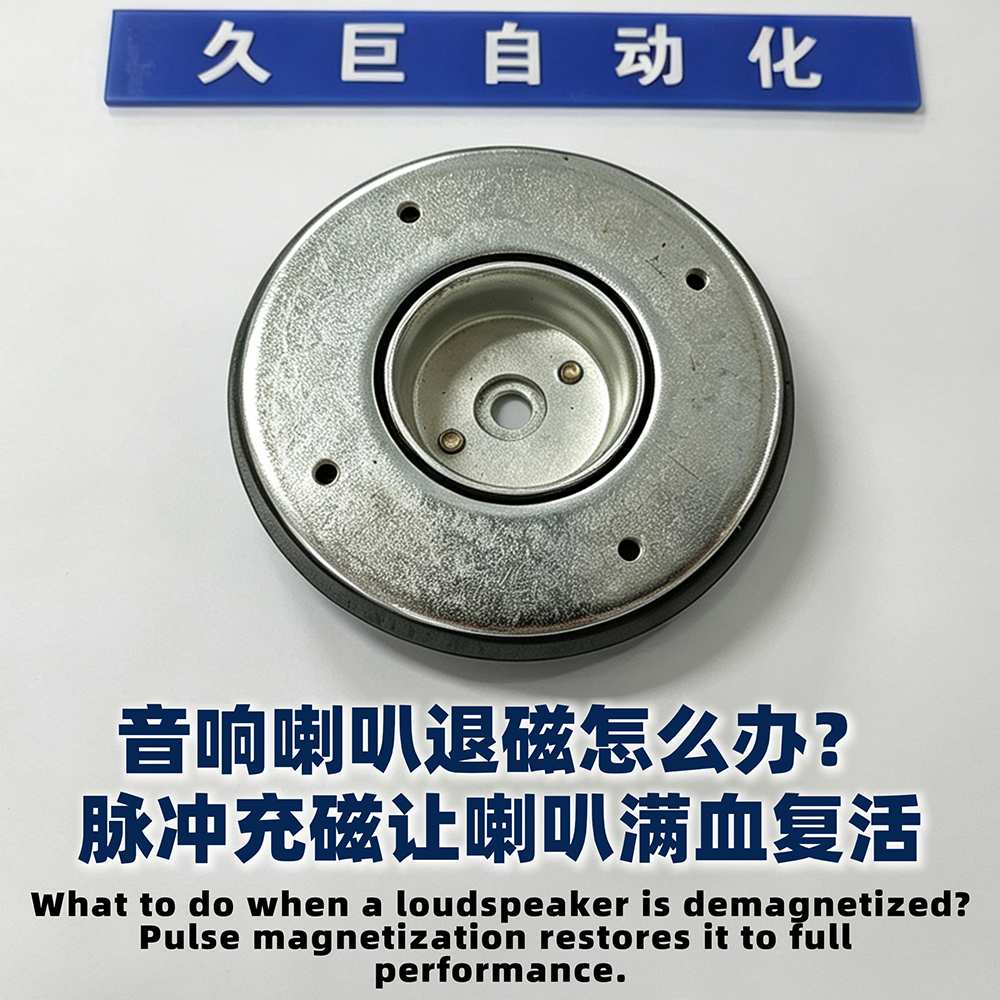
Video Demonstrating the Magnetization Process for Jiuju Speakers—Jiuju Magnetizer
Sep 10, 2026
Case video: Video Demonstrating the Magnetization Proce…

Why Does the Tip “Stick” to the Screw? A Video Explanation of Magnetization—Jiuju Magnetizing Machine
Aug 2, 2026
Case video: Why Does the Tip “Stick” to the Screw? A Vi…
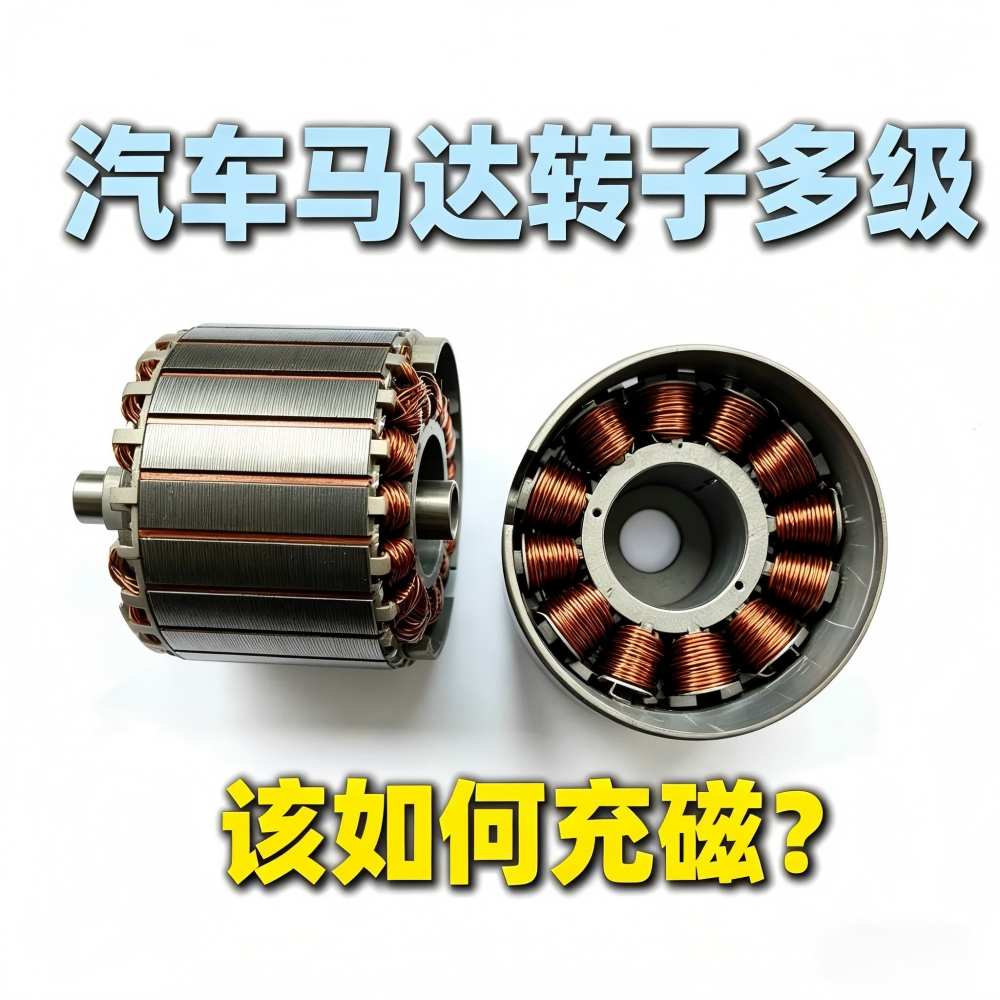
Video on Magnetizing Automotive Motor Rotors—Jiuju Magnetizing Machine
Jul 22, 2026
Case video: Video on Magnetizing Automotive Motor Rotor…

Video Case Study: Magnetizing Machine for Automotive Motor Rotors—Jiuju Magnetizing Machine
Jul 5, 2026
Case video: Video Case Study: Magnetizing Machine for A…

JIUJU Four-Station Motor Magnetizer – A Revolutionary Solution to Enhance New Energy Vehicle Motor Manufacturing Efficiency
Nov 10, 2025
The Jiuju four-station motor magnetizer improves effici…


Video Guide on How to Select a Magnetizing Machine—Jiuju Magnetizing Machines
Aug 8, 2026
Case video: Video Guide on How to Select a Magnetizing …

A 20-Second Video Guide on How to Choose a Magnetizing Machine—Jiuju Magnetizing Machine
Jul 21, 2026
Case video: A 20-Second Video Guide on How to Choose a …
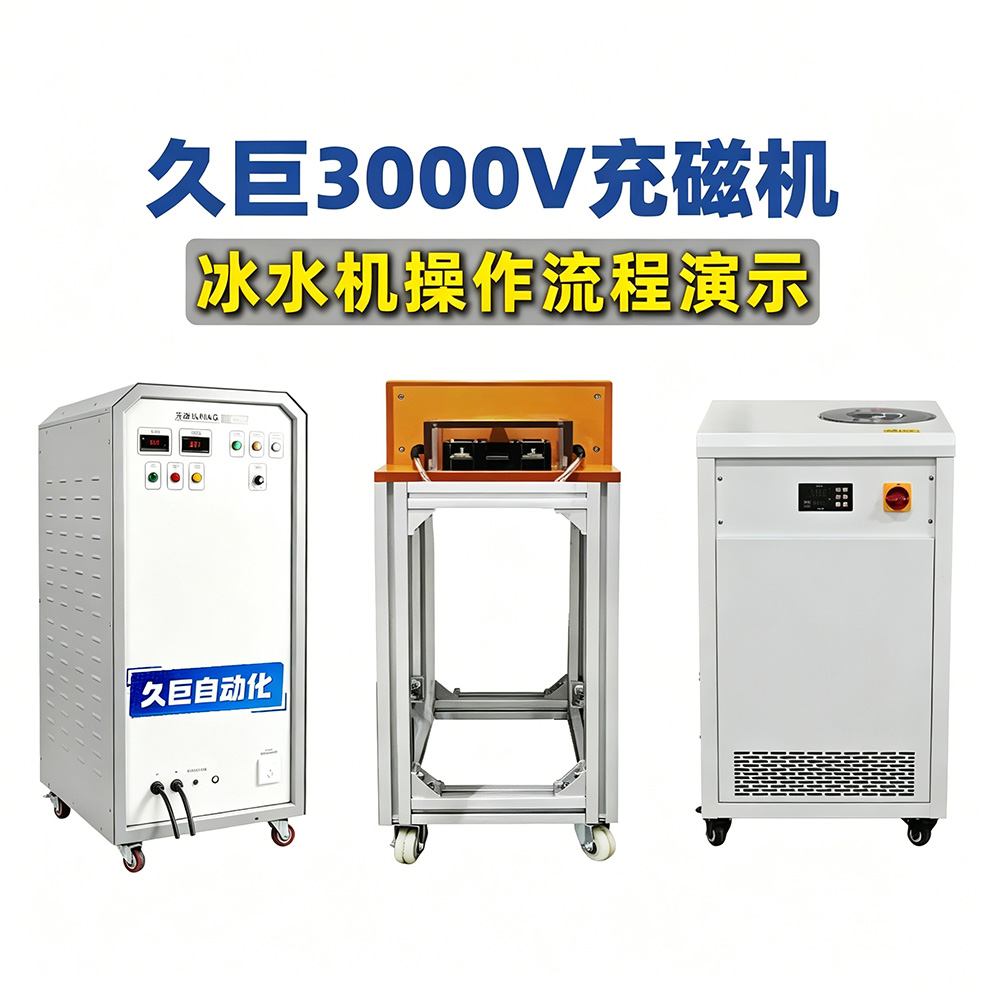
3000V Magnetizing Machine and Chiller Operation Demonstration Video—Jiuju Magnetizing Machine
Jul 3, 2026
Case video: 3000V Magnetizing Machine and Chiller Opera…
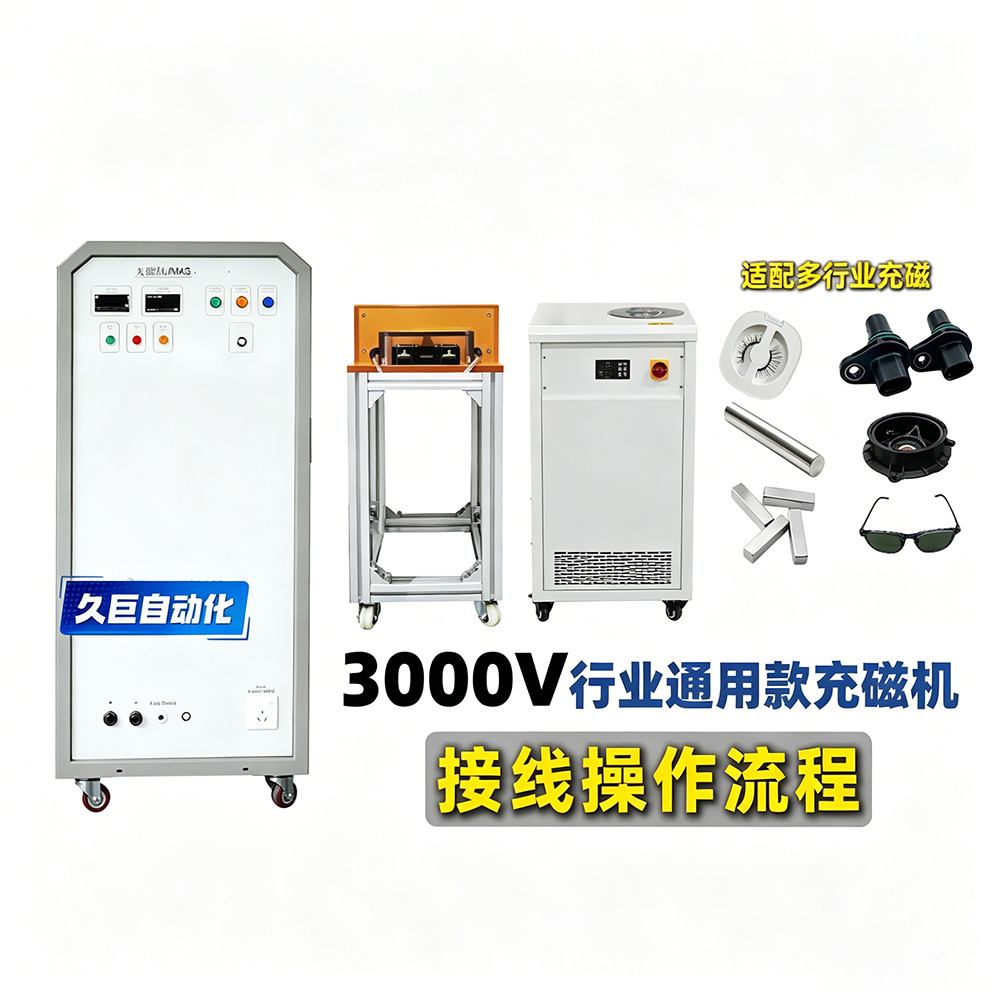
Video on the Wiring Procedure for a 3000V General-Purpose Industrial Magnetizer—Jiuju Magnetizer
Jul 2, 2026
Case video: Video on the Wiring Procedure for a 3000V G…

 English
 Chinese
 Russian
 Vietnamese
 Korean
 Thai
 French
 Spanish
 Japanese
 Hindi
 Bengali
 Portuguese