 Jiu Ju Magnetizer

A Blueprint for Modernizing the Rare Earth Industry: The Strategic Plan Behind Industrial Upgrading
End-to-End Solution for Magnetization Automation
Automated Magnetic Charging Integrated Solution
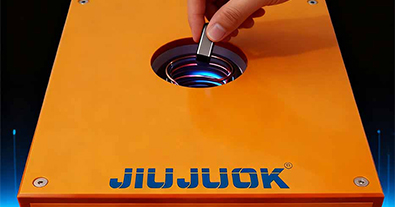
In recent years, strategic competition over rare earths has continued to intensify. Electric vehicles, wind power, and semiconductors are collectively reshaping the energy landscape, raising a question that has been repeatedly asked: Who actually controls these critical minerals?

But what truly matters may not be who possesses the resources, but who can transform those resources into a sustainable development model—possessing resources does not equate to steering development.
Inner Mongolia is the most representative example of this concept. Baotou holds 83.7% of the nation’s rare earth reserves, accounting for 37.8% of the world’s total, and the Baiyun Obo Mine is the world’s largest rare earth mine. However, the true value of this land goes far beyond ”what lies beneath the ground.” The true competitive advantage lies in the ability to deeply integrate rare earth separation and purification, functional materials, permanent magnet materials, and high-end manufacturing—transforming natural resources into technological and industrial capabilities.

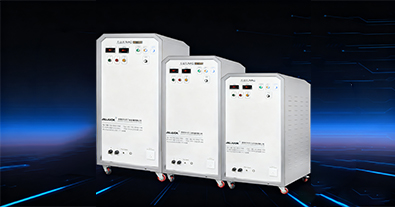
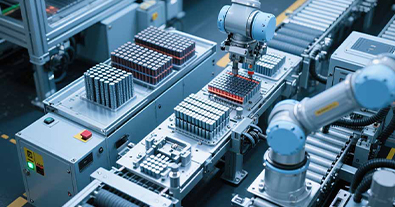
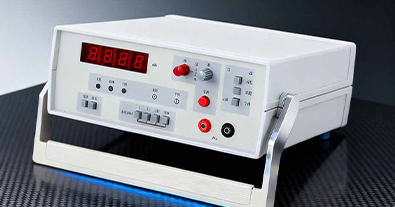
This transformation must ultimately take place at the enterprise level. Take the motor and magnetization equipment manufacturing sector—in which Jiuju operates—as an example: rare-earth permanent magnet materials only truly become the ”heart” of new energy and industrial motors once they are integrated into equipment. A nation’s capacity for macro-level resource management is built upon the cumulative efforts of countless such manufacturing processes.
The current anxiety in the West over ”dependence on China” is, at its core, the result of the long-term erosion of its own industrial capabilities; the current push to revive industrial policies under the banner of ”strategic autonomy” is, in reality, an effort to make up for past shortcomings. Whether it is the EU’s strategy on critical raw materials or the U.S. clean energy incentives, these are not merely environmental agendas, but rather long-overdue efforts to reposition their industrial sectors.
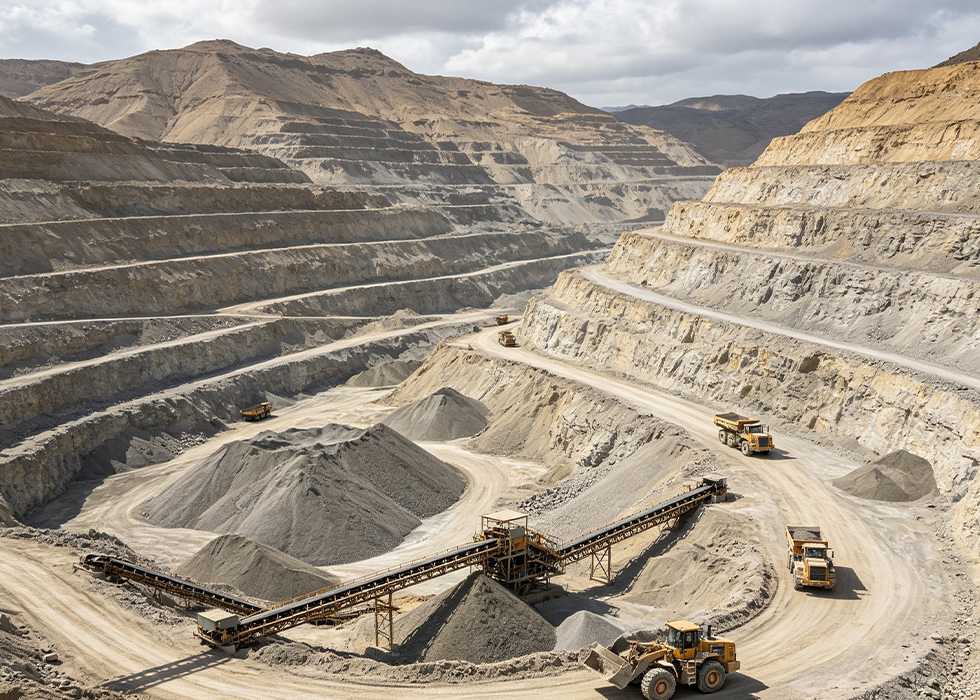
This transformation must ultimately take place at the enterprise level. Take the motor and magnetization equipment manufacturing sector—in which Jiuju operates—as an example: rare-earth permanent magnet materials only truly become the ”heart” of new energy and industrial motors once they are integrated into equipment. A nation’s capacity for macro-level resource management is built upon the cumulative efforts of countless such manufacturing processes.
The current anxiety in the West over ”dependence on China” is, at its core, the result of the long-term erosion of its own industrial capabilities; the current push to revive industrial policies under the banner of ”strategic autonomy” is, in reality, an effort to make up for past shortcomings. Whether it is the EU’s strategy on critical raw materials or the U.S. clean energy incentives, these are not merely environmental agendas, but rather long-overdue efforts to reposition their industrial sectors.
Magnetization of Magnetic Materials
3C Electronic Magnetization
Motor Rotor Magnetization
Car Speaker Magnetization
New Energy Vehicle Industry
Medical Equipment Industry
Other Industries

Jiuju Magnetization 100 Q&A: What Counts as a Defective Magnet
Nov 10, 2026
Defects in permanent magnets go beyond appearance: magn…
Magnetization 100 Q&A: Choosing the Magnet Operating Temperature
Nov 10, 2026
Operating temperature is the core constraint in magnet …

Precise Magnetization Control for AlNiCo Magnets: Case Video
Oct 30, 2026
AlNiCo magnets keep stable flux thanks to a very low te…

How NdFeB Magnets Achieve Stable Magnetism: Case Video
Oct 9, 2026
Stable NdFeB performance requires the right grade, a co…
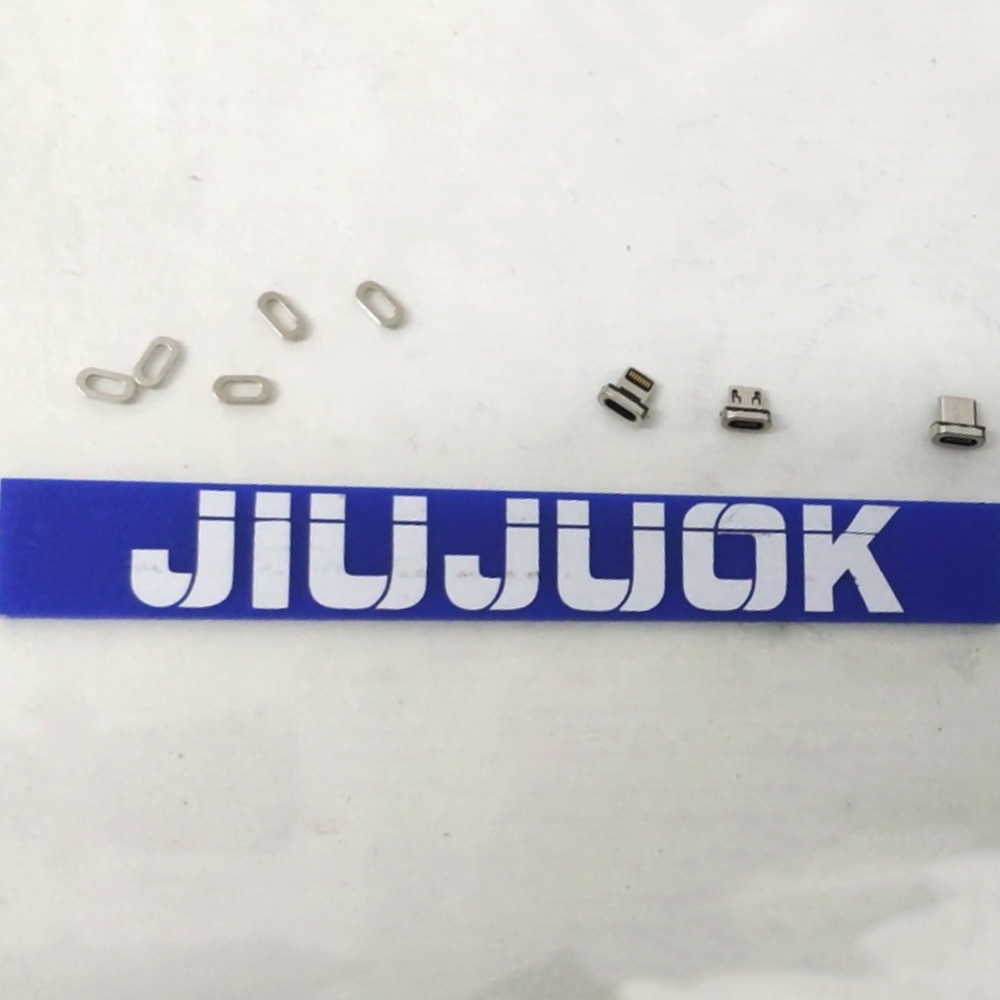
Magnetization for Magnetic Phone Chargers – Precisely Aligned with Core Magnetic Charging Processes
Nov 13, 2025
Magnetizing magnetic charging heads for phones: matchin…
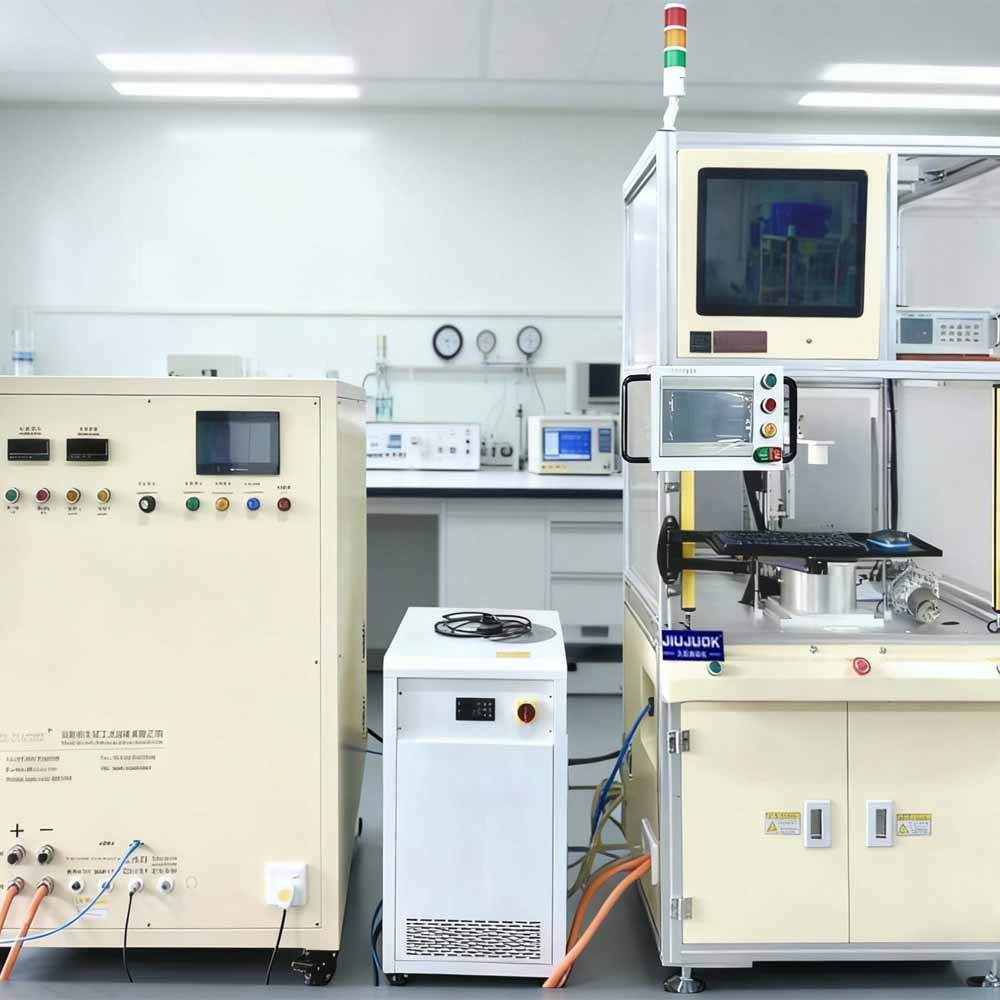
JIUJU Electronic Magnetizers: Solving Industry Pain Points and Achieving the Optimal Balance of Performance and Cost
Nov 11, 2025
The Jiuju electronic magnetizer balances performance an…
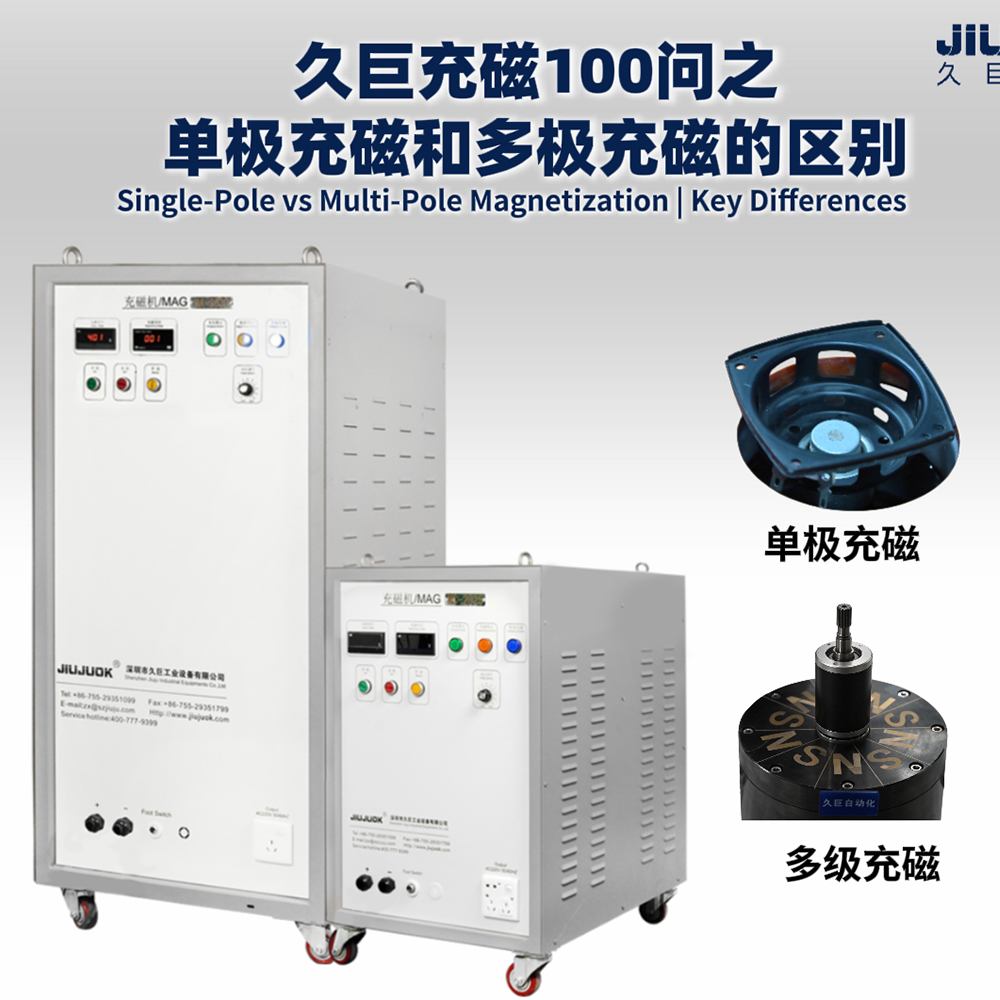
Magnetization 100 Q&A: Single-Pole vs Multi-Pole Magnetization
Nov 10, 2026
This video explains the difference between single-pole …

Video Demonstrating the Magnetization of Jiuju High-Frequency Drivers—Jiuju Magnetizer
Sep 14, 2026
Case video: Video Demonstrating the Magnetization of Ji…

Unusual Noises and Power Loss in Motors? The Root Cause Is an Uneven Magnetic Field—Jiuju Magnetizing Machine
Sep 6, 2026
Motor noise and torque loss often trace back to uneven …

Why Magnetic Field Measurement Is Essential for Mass Production Quality Control of Permanent Magnet Motors—Jiuju Magnetizing Machines
Sep 5, 2026
Why surface flux inspection is indispensable for volume…

How Critical Is Magnetization in Magnetic Switch Production?
Oct 29, 2026
In magnetic switches, magnetization controls holding fo…

Video Demonstrating Jiuju's Magnetization Process for Antique Speakers—Jiuju Magnetizer
Sep 13, 2026
Case video: Video Demonstrating Jiuju’s Magnetization P…
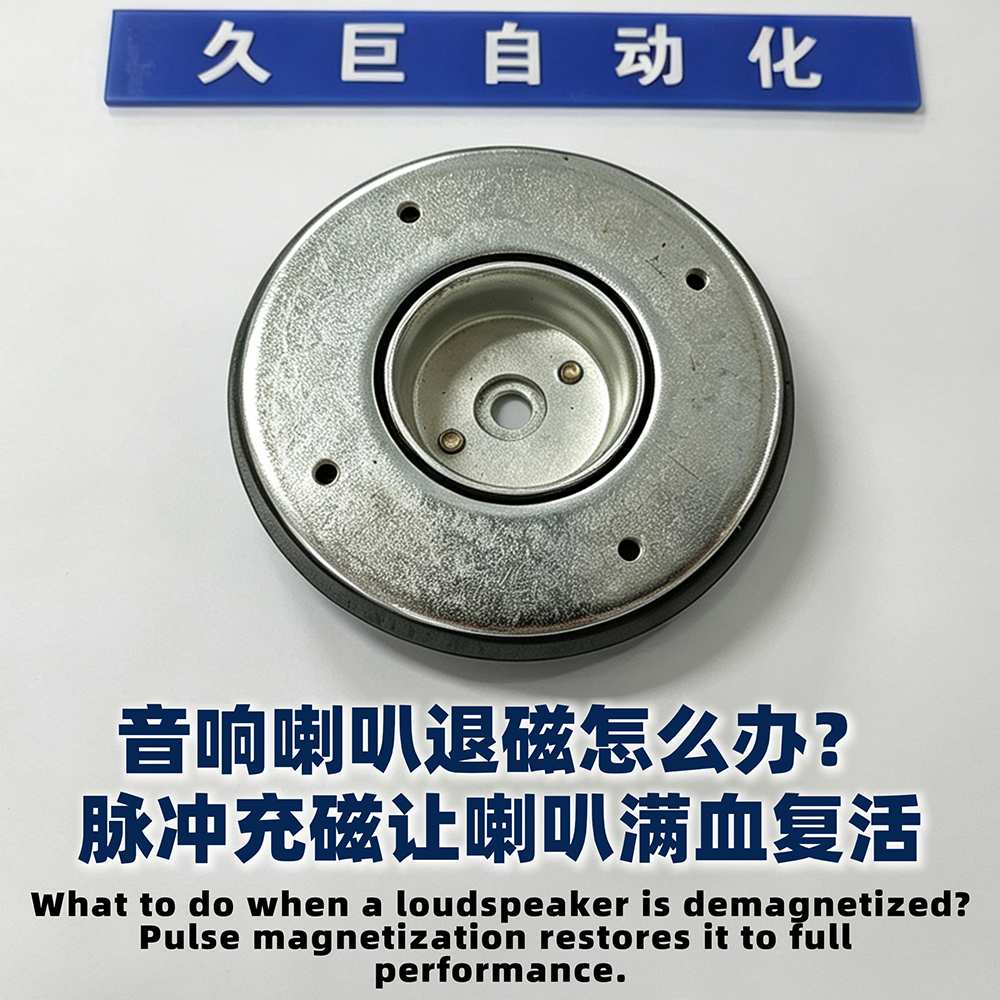
Video Demonstrating the Magnetization Process for Jiuju Speakers—Jiuju Magnetizer
Sep 10, 2026
Case video: Video Demonstrating the Magnetization Proce…

Why Does the Tip “Stick” to the Screw? A Video Explanation of Magnetization—Jiuju Magnetizing Machine
Aug 2, 2026
Case video: Why Does the Tip “Stick” to the Screw? A Vi…
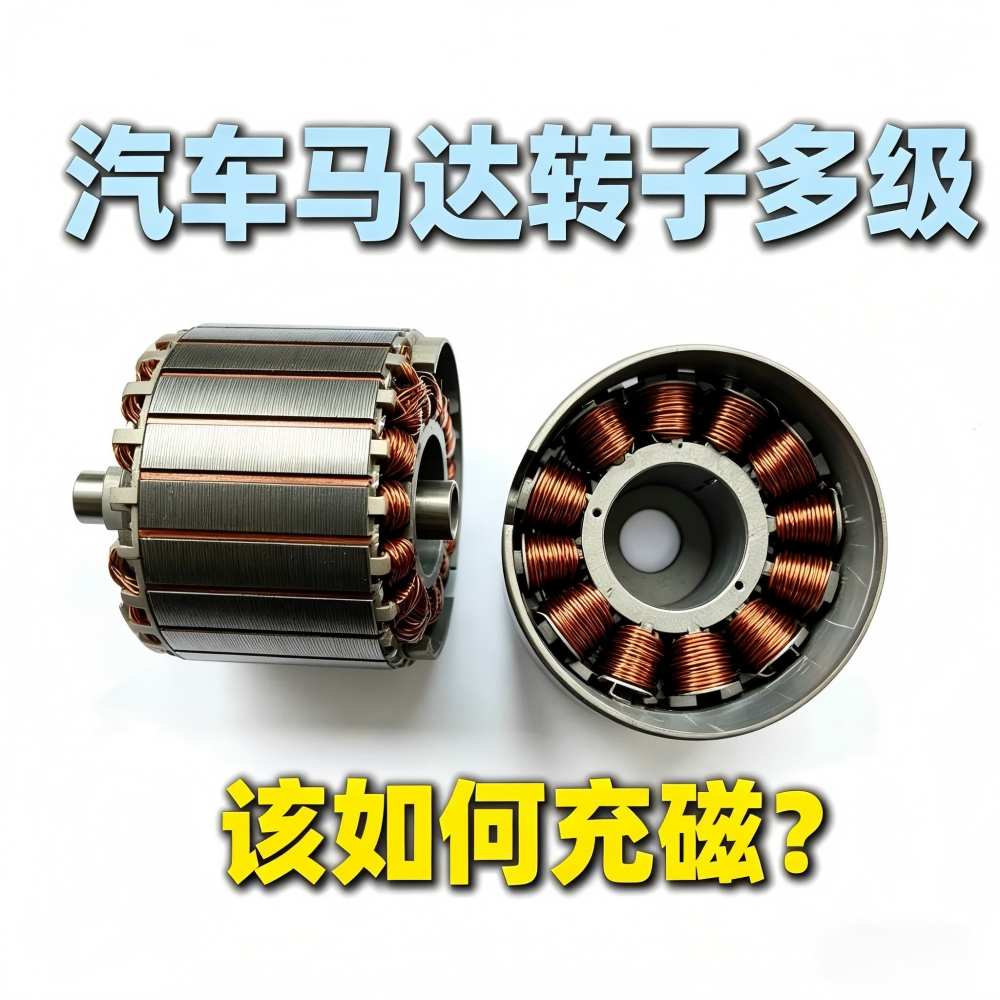
Video on Magnetizing Automotive Motor Rotors—Jiuju Magnetizing Machine
Jul 22, 2026
Case video: Video on Magnetizing Automotive Motor Rotor…

Video Case Study: Magnetizing Machine for Automotive Motor Rotors—Jiuju Magnetizing Machine
Jul 5, 2026
Case video: Video Case Study: Magnetizing Machine for A…

JIUJU Four-Station Motor Magnetizer – A Revolutionary Solution to Enhance New Energy Vehicle Motor Manufacturing Efficiency
Nov 10, 2025
The Jiuju four-station motor magnetizer improves effici…


Video Guide on How to Select a Magnetizing Machine—Jiuju Magnetizing Machines
Aug 8, 2026
Case video: Video Guide on How to Select a Magnetizing …
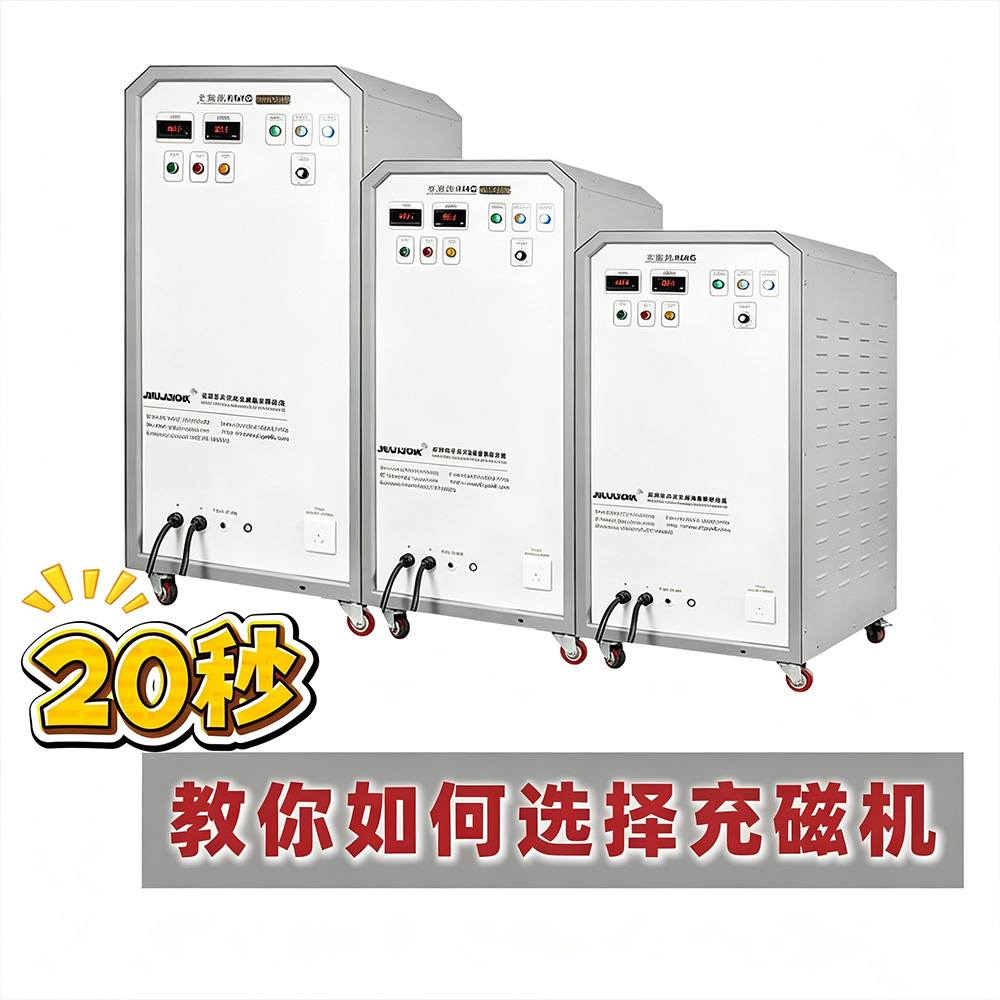
A 20-Second Video Guide on How to Choose a Magnetizing Machine—Jiuju Magnetizing Machine
Jul 21, 2026
Case video: A 20-Second Video Guide on How to Choose a …
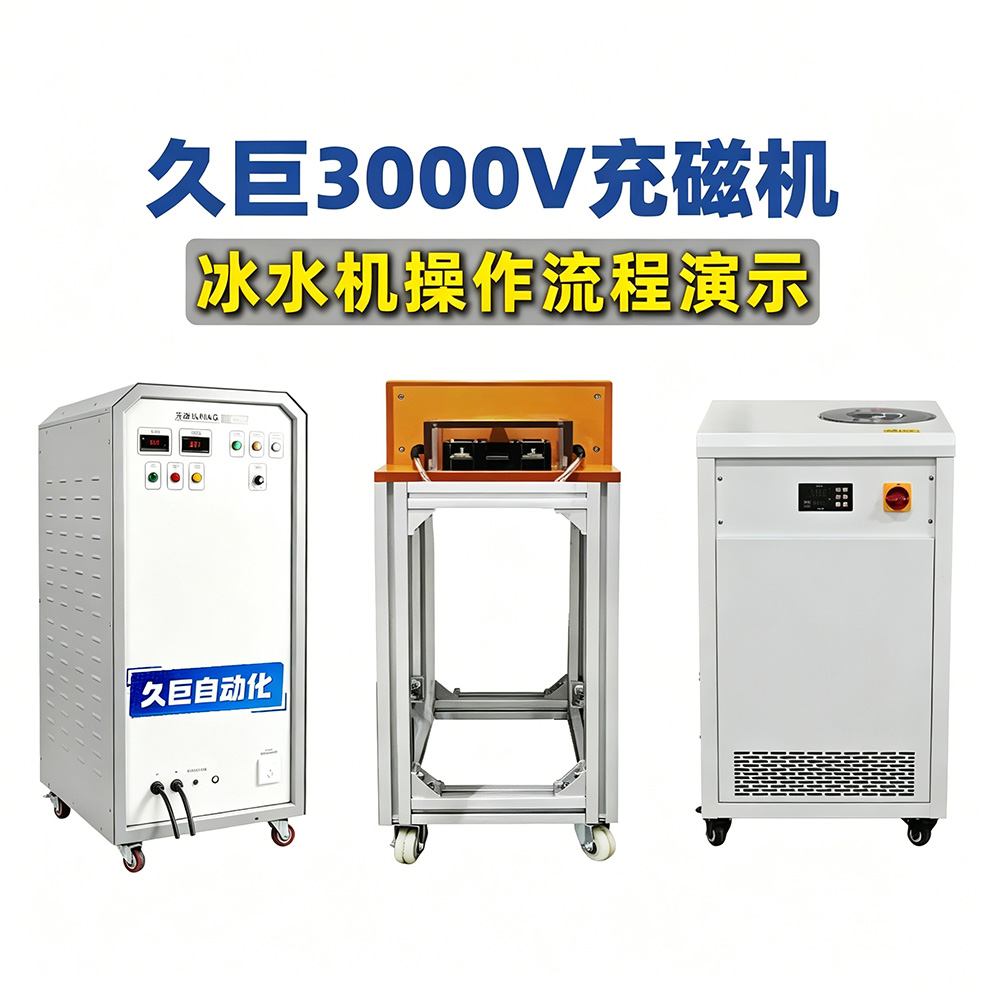
3000V Magnetizing Machine and Chiller Operation Demonstration Video—Jiuju Magnetizing Machine
Jul 3, 2026
Case video: 3000V Magnetizing Machine and Chiller Opera…
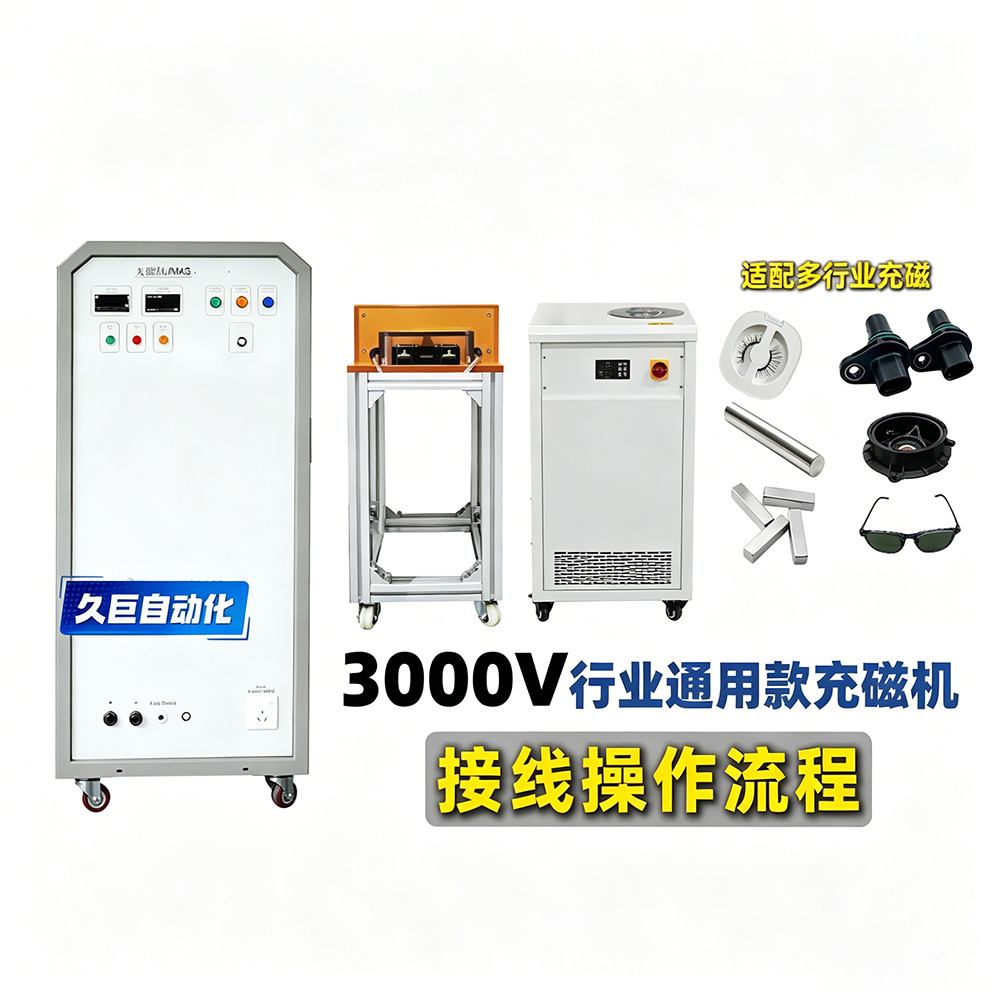
Video on the Wiring Procedure for a 3000V General-Purpose Industrial Magnetizer—Jiuju Magnetizer
Jul 2, 2026
Case video: Video on the Wiring Procedure for a 3000V G…

 English
 Chinese
 Russian
 Vietnamese
 Korean
 Thai
 French
 Spanish
 Japanese
 Hindi
 Bengali
 Portuguese