 Jiu Ju Magnetizer


Guide to Magnetizing Coil Winding: How Do the Number of Turns and Wire Gauge Affect Magnetic Field Strength?
End-to-End Solution for Magnetization Automation
Automated Magnetic Charging Integrated Solution
The magnetizing coil is the core component that converts the electrical energy released by the capacitor into a strong magnetic field; its number of turns and wire gauge directly determine whether the magnet can be effectively magnetized. Understanding these two parameters helps avoid unnecessary detours during repair and selection.
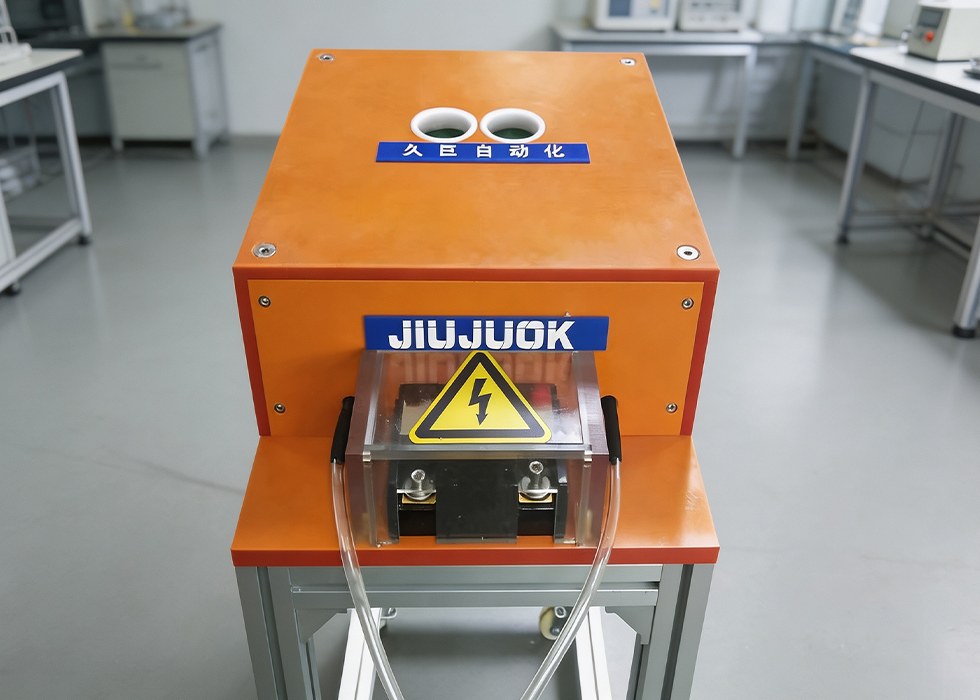
First, let’s discuss the number of turns. Given a fixed coil geometry, the more turns there are, the stronger the magnetic field generated by the same current; however, the coil’s inductance and resistance also increase accordingly. Too many turns will prolong the charging time and slow down the discharge waveform, which may actually prevent the magnet from being fully charged. In practice, the number of turns must be determined based on a combination of the target magnetic field and the capacitor voltage; more is not necessarily better.
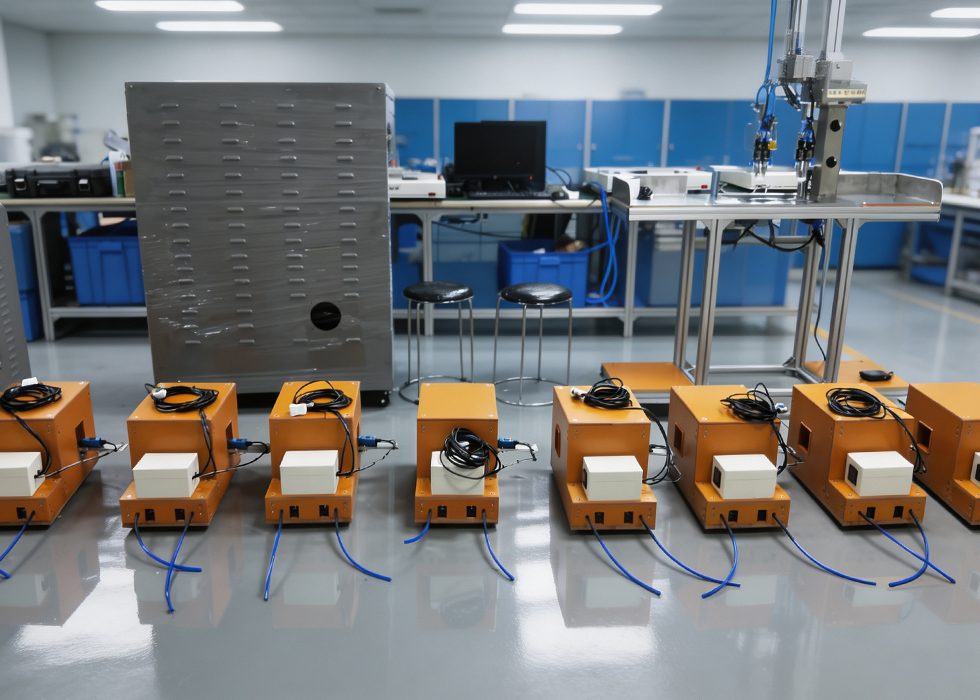
Now, regarding wire diameter. A thicker wire has lower resistance and can carry a higher current, resulting in less heat generation in the coil, making it suitable for high-energy pulse magnetization. However, a thicker wire increases the coil’s size, which may prevent it from fitting into the existing jig. Although a thinner wire saves space, it is prone to overheating or even burning out under high currents, posing a high risk during continuous production. A compromise is to select the wire diameter based on the peak current and use water-cooling or air-cooling to control the temperature rise.
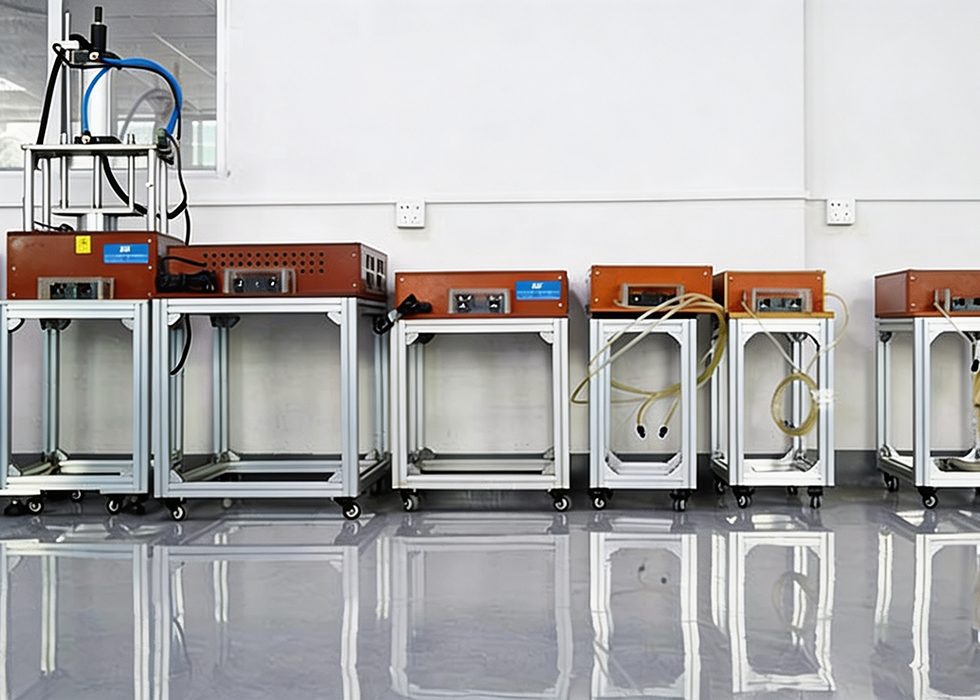
The winding process itself requires careful attention to detail. The windings must be tightly arranged, with insulation between layers to prevent partial discharge and short circuits; the leads must be securely soldered and stress-relieved to prevent breakage from repeated bending. After winding, measure the inductance and resistance using a bridge meter and compare the results with design specifications; significant deviations will affect magnetization consistency. Jiuju Automation’s magnetizing coils are custom-made according to the specific magnet and production capacity. After winding, each coil undergoes individual testing for electrical parameters and magnetic field uniformity, and is delivered only after passing inspection. For self-maintenance on the production line, Jiuju Automation recommends establishing a coil parameter log, recording the inductance and resistance values each time a coil is replaced. This allows for rapid identification of whether abnormal fluctuations are caused by coil aging or a power supply issue.
Magnetization of Magnetic Materials
3C Electronic Magnetization
Motor Rotor Magnetization
Car Speaker Magnetization
New Energy Vehicle Industry
Medical Equipment Industry
Other Industries

Jiuju Magnetization 100 Q&A: What Counts as a Defective Magnet
Nov 10, 2026
Defects in permanent magnets go beyond appearance: magn…
Magnetization 100 Q&A: Choosing the Magnet Operating Temperature
Nov 10, 2026
Operating temperature is the core constraint in magnet …

Precise Magnetization Control for AlNiCo Magnets: Case Video
Oct 30, 2026
AlNiCo magnets keep stable flux thanks to a very low te…

How NdFeB Magnets Achieve Stable Magnetism: Case Video
Oct 9, 2026
Stable NdFeB performance requires the right grade, a co…
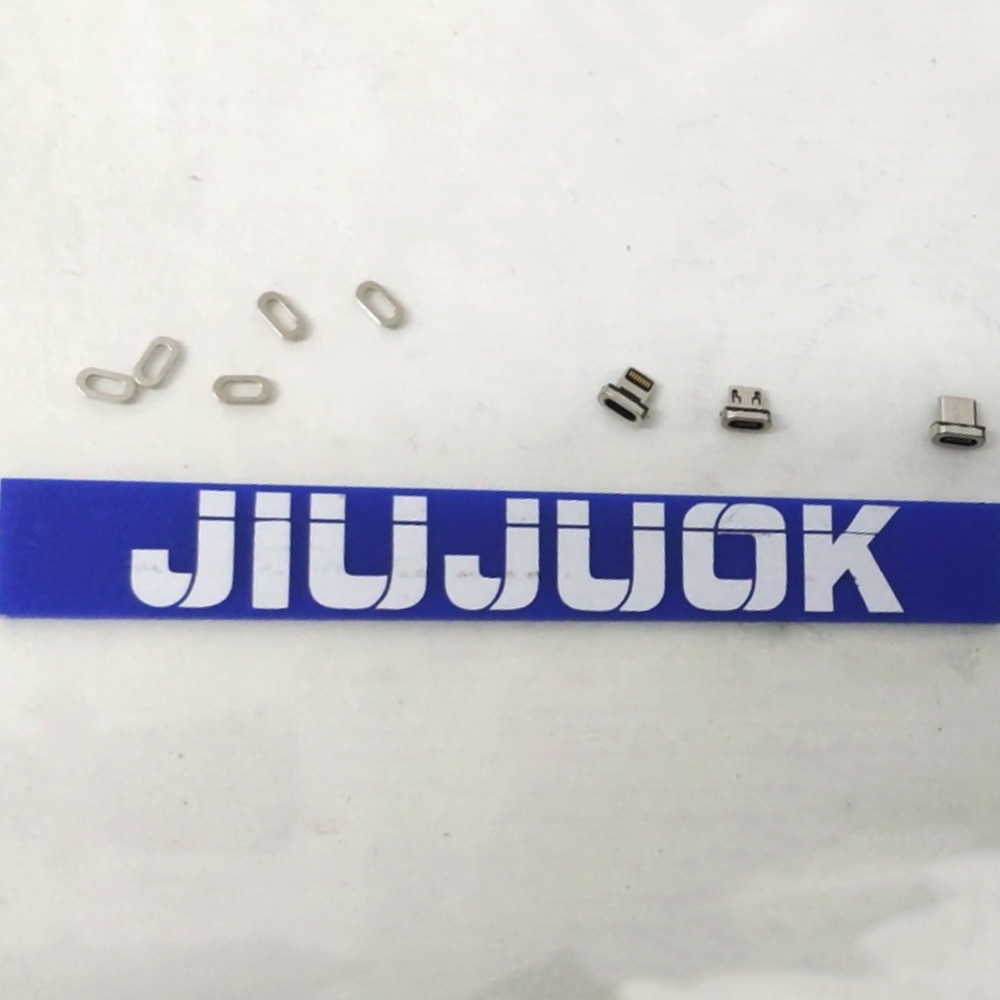
Magnetization for Magnetic Phone Chargers – Precisely Aligned with Core Magnetic Charging Processes
Nov 13, 2025
Magnetizing magnetic charging heads for phones: matchin…
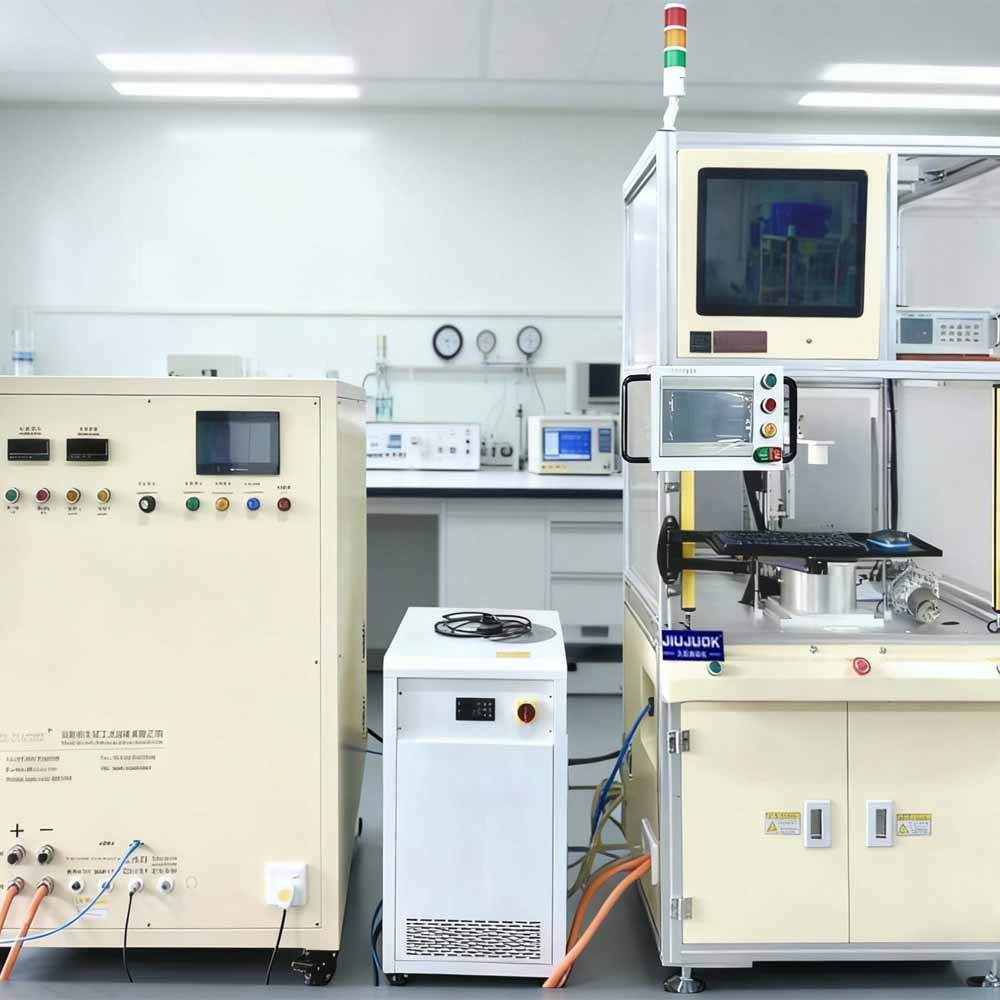
JIUJU Electronic Magnetizers: Solving Industry Pain Points and Achieving the Optimal Balance of Performance and Cost
Nov 11, 2025
The Jiuju electronic magnetizer balances performance an…
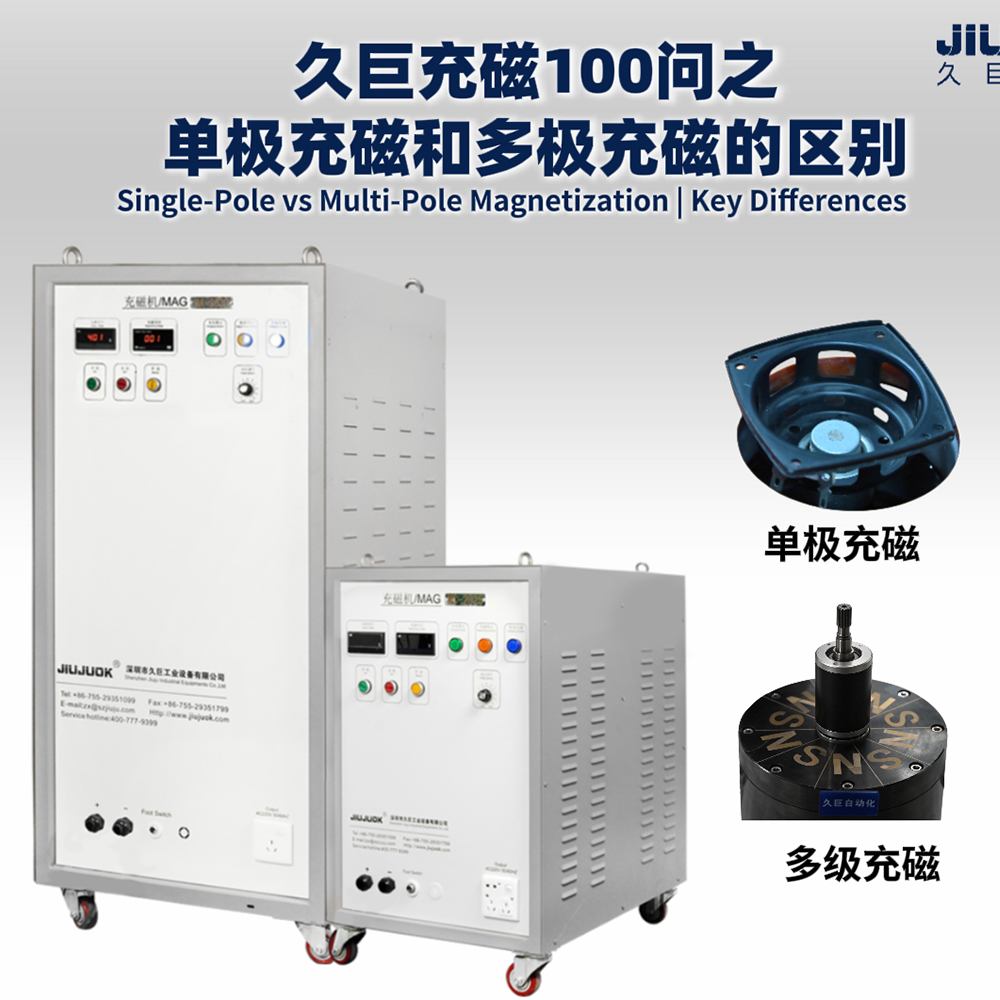
Magnetization 100 Q&A: Single-Pole vs Multi-Pole Magnetization
Nov 10, 2026
This video explains the difference between single-pole …

Video Demonstrating the Magnetization of Jiuju High-Frequency Drivers—Jiuju Magnetizer
Sep 14, 2026
Case video: Video Demonstrating the Magnetization of Ji…

Unusual Noises and Power Loss in Motors? The Root Cause Is an Uneven Magnetic Field—Jiuju Magnetizing Machine
Sep 6, 2026
Motor noise and torque loss often trace back to uneven …

Why Magnetic Field Measurement Is Essential for Mass Production Quality Control of Permanent Magnet Motors—Jiuju Magnetizing Machines
Sep 5, 2026
Why surface flux inspection is indispensable for volume…

How Critical Is Magnetization in Magnetic Switch Production?
Oct 29, 2026
In magnetic switches, magnetization controls holding fo…

Video Demonstrating Jiuju's Magnetization Process for Antique Speakers—Jiuju Magnetizer
Sep 13, 2026
Case video: Video Demonstrating Jiuju’s Magnetization P…
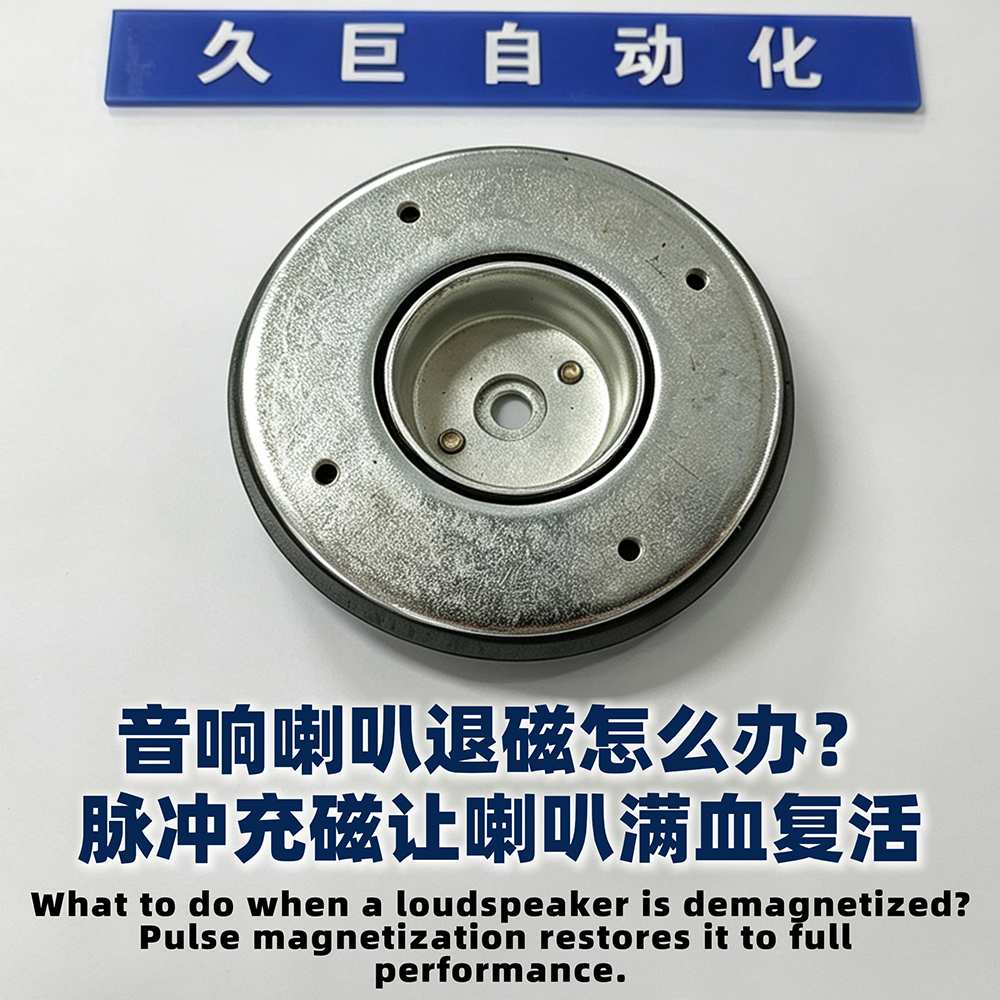
Video Demonstrating the Magnetization Process for Jiuju Speakers—Jiuju Magnetizer
Sep 10, 2026
Case video: Video Demonstrating the Magnetization Proce…

Why Does the Tip “Stick” to the Screw? A Video Explanation of Magnetization—Jiuju Magnetizing Machine
Aug 2, 2026
Case video: Why Does the Tip “Stick” to the Screw? A Vi…
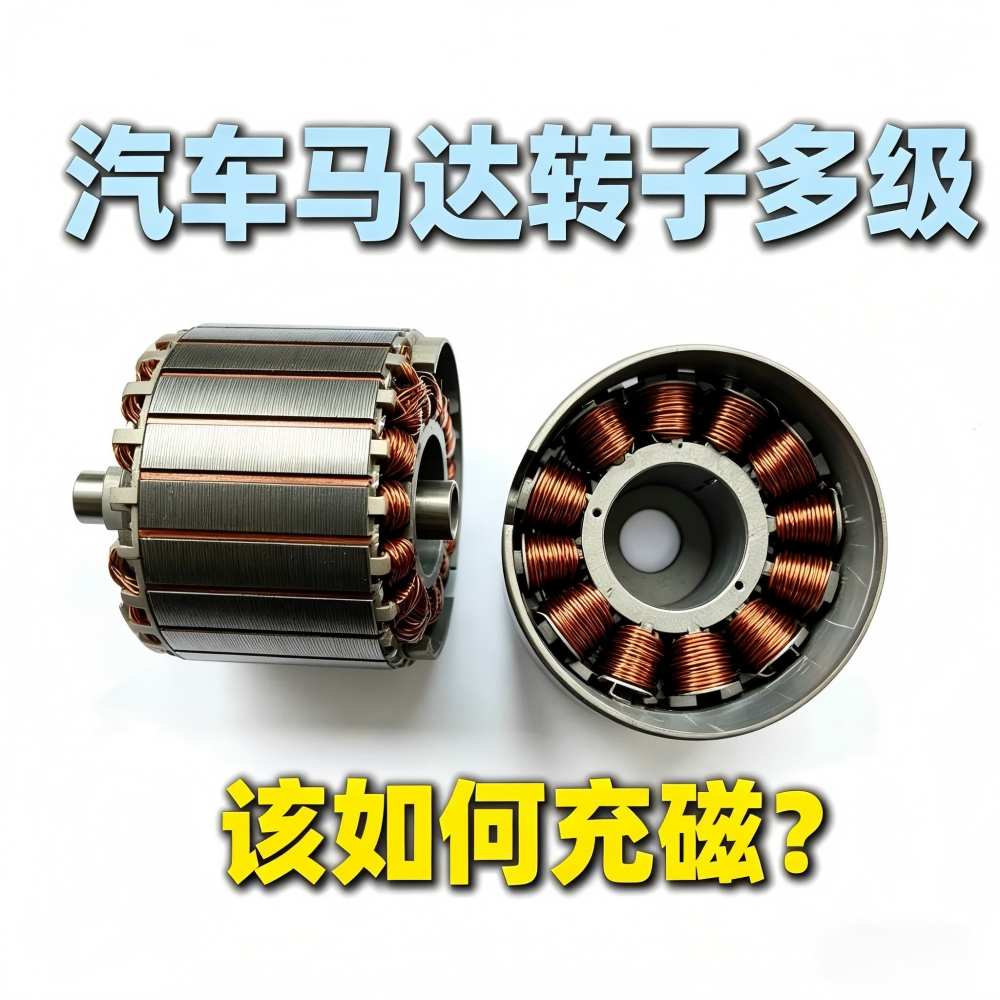
Video on Magnetizing Automotive Motor Rotors—Jiuju Magnetizing Machine
Jul 22, 2026
Case video: Video on Magnetizing Automotive Motor Rotor…

Video Case Study: Magnetizing Machine for Automotive Motor Rotors—Jiuju Magnetizing Machine
Jul 5, 2026
Case video: Video Case Study: Magnetizing Machine for A…

JIUJU Four-Station Motor Magnetizer – A Revolutionary Solution to Enhance New Energy Vehicle Motor Manufacturing Efficiency
Nov 10, 2025
The Jiuju four-station motor magnetizer improves effici…


Video Guide on How to Select a Magnetizing Machine—Jiuju Magnetizing Machines
Aug 8, 2026
Case video: Video Guide on How to Select a Magnetizing …
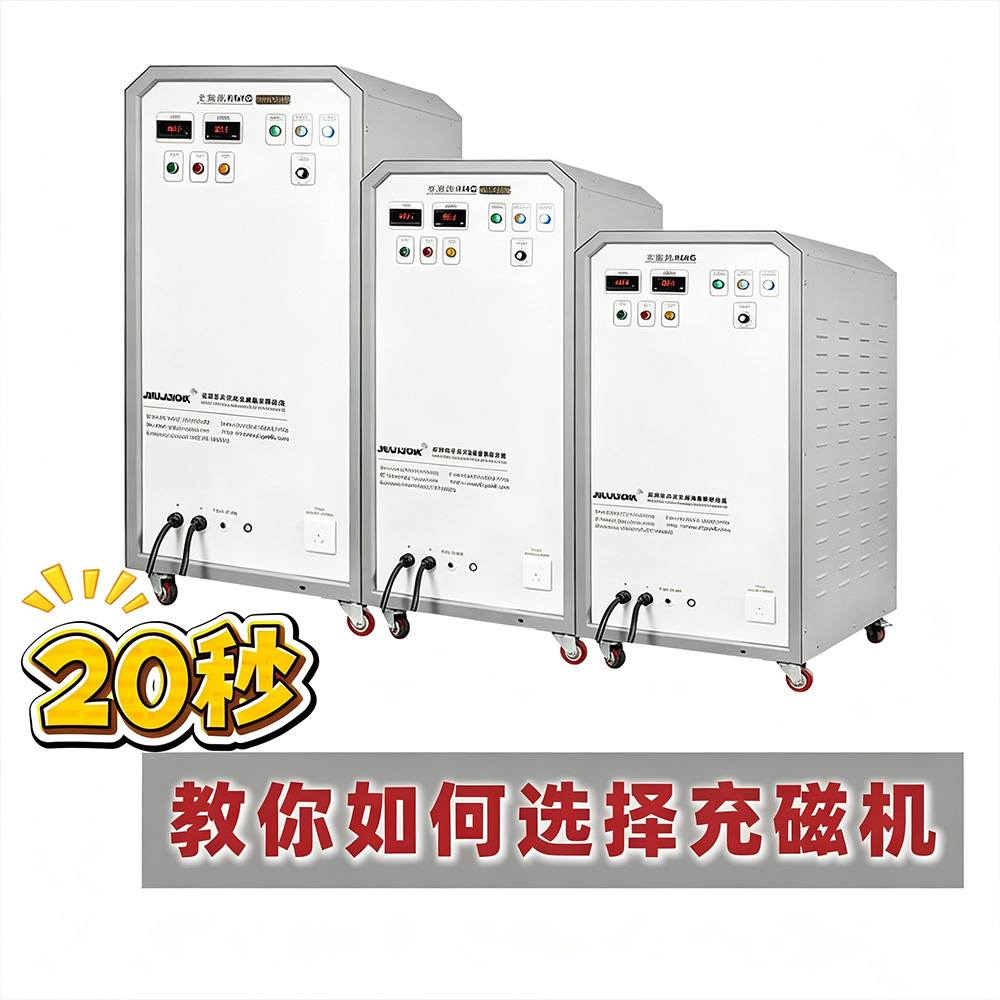
A 20-Second Video Guide on How to Choose a Magnetizing Machine—Jiuju Magnetizing Machine
Jul 21, 2026
Case video: A 20-Second Video Guide on How to Choose a …
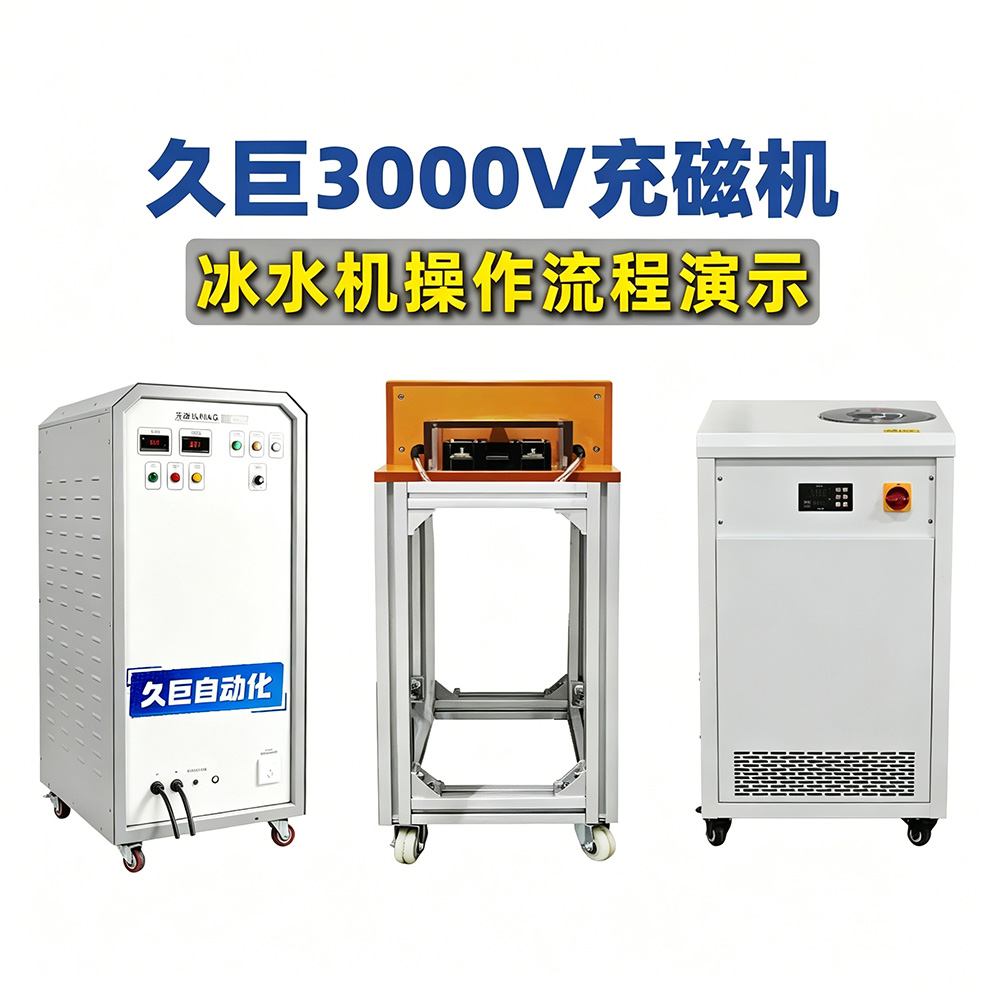
3000V Magnetizing Machine and Chiller Operation Demonstration Video—Jiuju Magnetizing Machine
Jul 3, 2026
Case video: 3000V Magnetizing Machine and Chiller Opera…
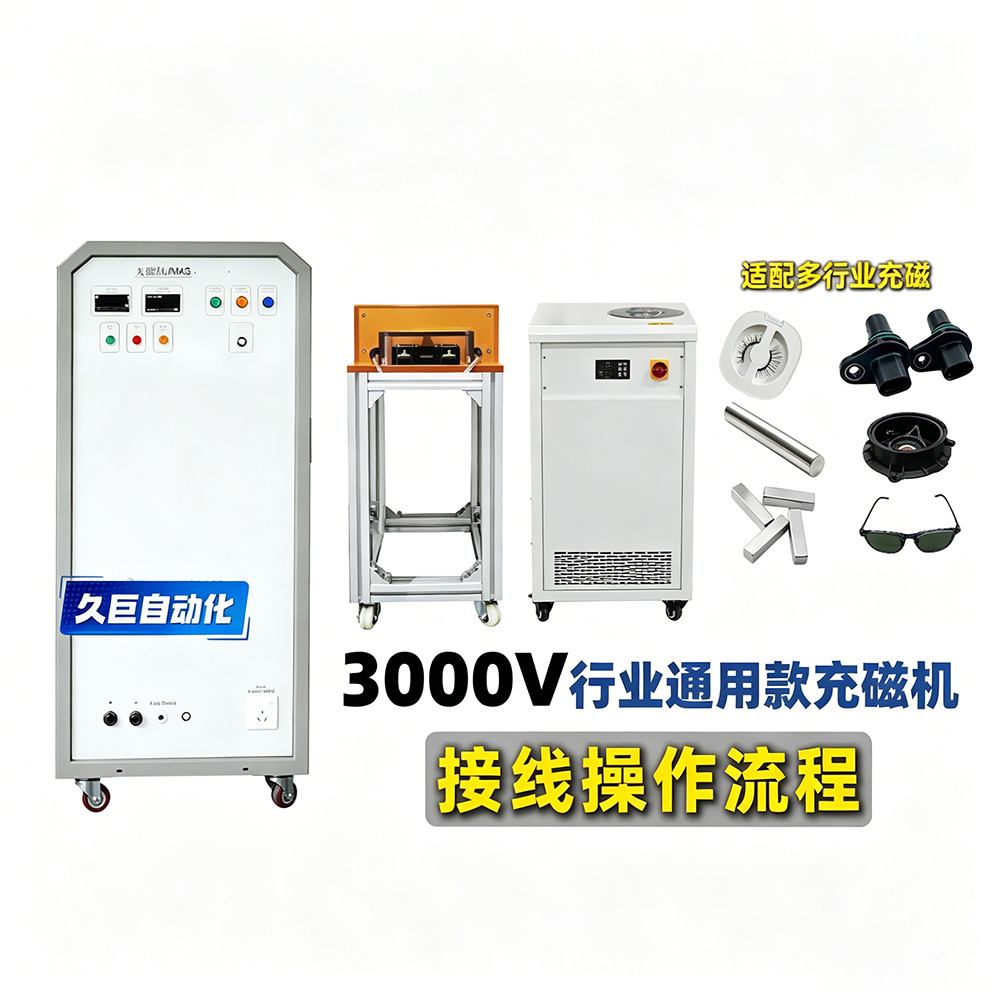
Video on the Wiring Procedure for a 3000V General-Purpose Industrial Magnetizer—Jiuju Magnetizer
Jul 2, 2026
Case video: Video on the Wiring Procedure for a 3000V G…

 English
 Chinese
 Russian
 Vietnamese
 Korean
 Thai
 French
 Spanish
 Japanese
 Hindi
 Bengali
 Portuguese