 Jiu Ju Magnetizer

Video Tutorial on How to Magnetize a Motor Shaft—Jiuju Magnetizer
End-to-End Solution for Magnetization Automation
Automated Magnetic Charging Integrated Solution
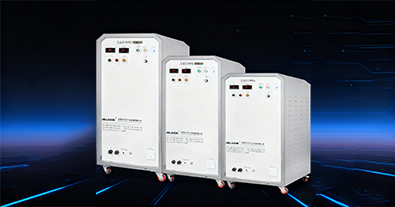
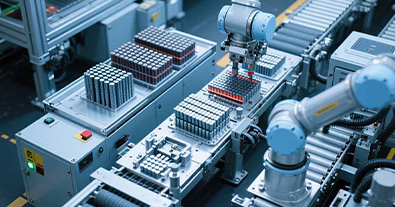
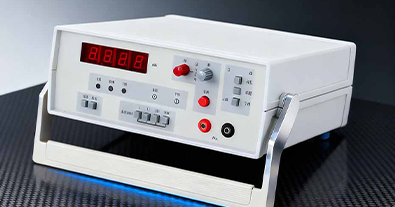
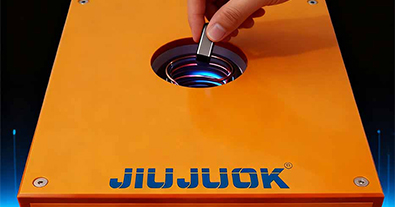
Magnetizing the motor rotor shaft is a core process in the manufacture of permanent magnet rotors, directly determining the motor’s magnetic field performance and operational stability. The industry predominantly uses a post-assembly, integrated magnetization process, which—compared to pre-magnetizing individual magnets—prevents misalignment of magnetic poles and damage from collisions during assembly, resulting in a more uniform and consistent magnetic field distribution. Before magnetization, it is necessary to confirm that the magnets on the rotor shaft are properly assembled and secured in place. The rotor shaft is then inserted coaxially into the inner cavity of a dedicated magnetization coil to ensure precise alignment with the center of the magnetic field. A strong, directional magnetic field is generated by the instantaneous discharge of a high-voltage pulse capacitor, causing the magnetic domains within the magnets on the rotor shaft to align synchronously, thereby achieving saturation magnetization. After magnetization, each piece must be individually tested for surface magnetic flux density, polarity, and uniformity to ensure performance meets specifications. Jiuju Motor’s rotor shaft magnetization equipment is compatible with rotors of various sizes and pole counts. It features precise and controllable magnetization parameters, integrated coaxial positioning, and in-line inspection capabilities, ensuring consistency in batch magnetization and meeting the mass production requirements of various permanent magnet motors.
Magnetization of Magnetic Materials
3C Electronic Magnetization
Motor Rotor Magnetization
Car Speaker Magnetization
New Energy Vehicle Industry
Medical Equipment Industry

Video Case Study on the Magnetization Process for Jiuju Irregular-Shaped Cobalt Magnets—Jiuju Magnetizer
September 12, 2026
Irregularly shaped samarium-cobalt magnets have complex magnetic pole configurations. Combined with the high-temperature resistance and high coercive force of samarium-cobalt materials, this makes them highly prone to issues such as magnetic field non-uniformity and uneven magnetization during magnetization, placing high demands on tooling and process parameters.
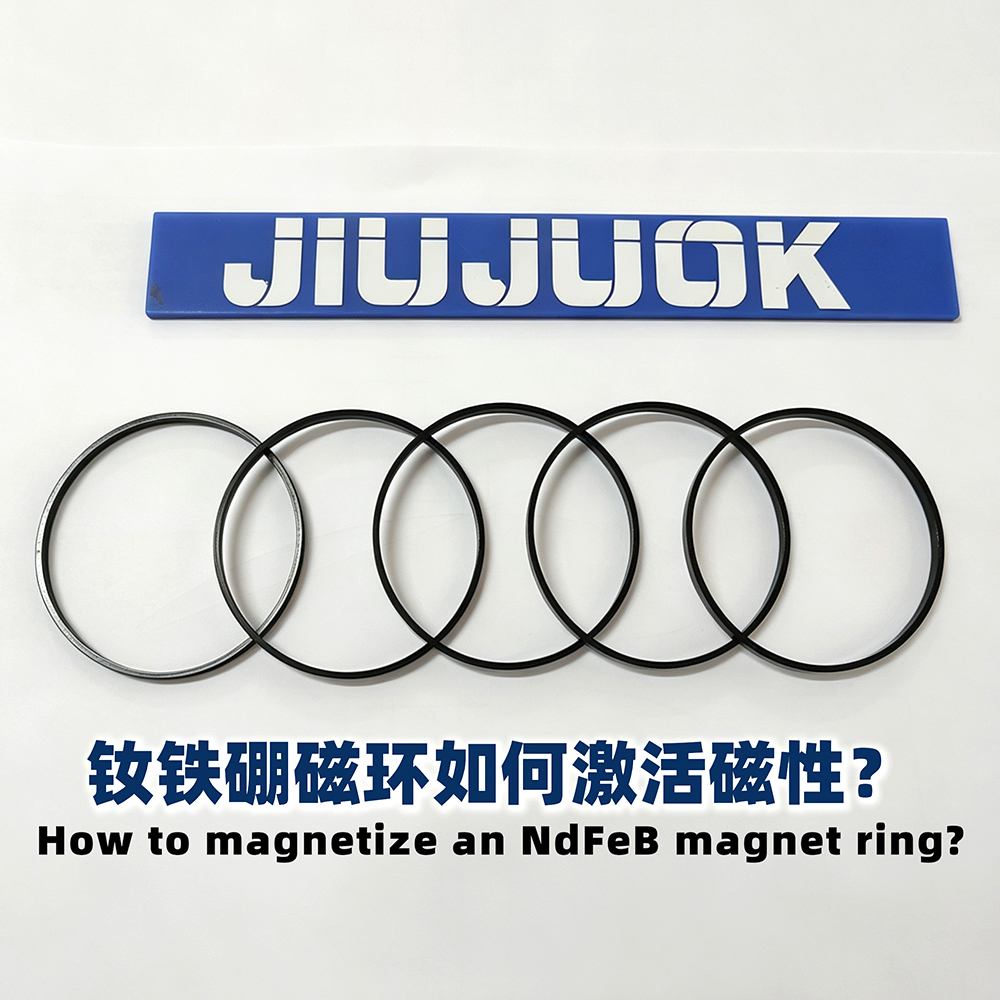
Video Case Study on the Magnetization Process for Sintered Neodymium-Iron-Boron Magnetic Rings—Jiuju Magnetizer
September 11, 2026
Sintered neodymium-iron-boron magnetic rings are widely used in precision equipment such as motors and sensors; multipole magnetization imposes stringent requirements on magnetic field uniformity and the positioning accuracy of the magnetic poles.
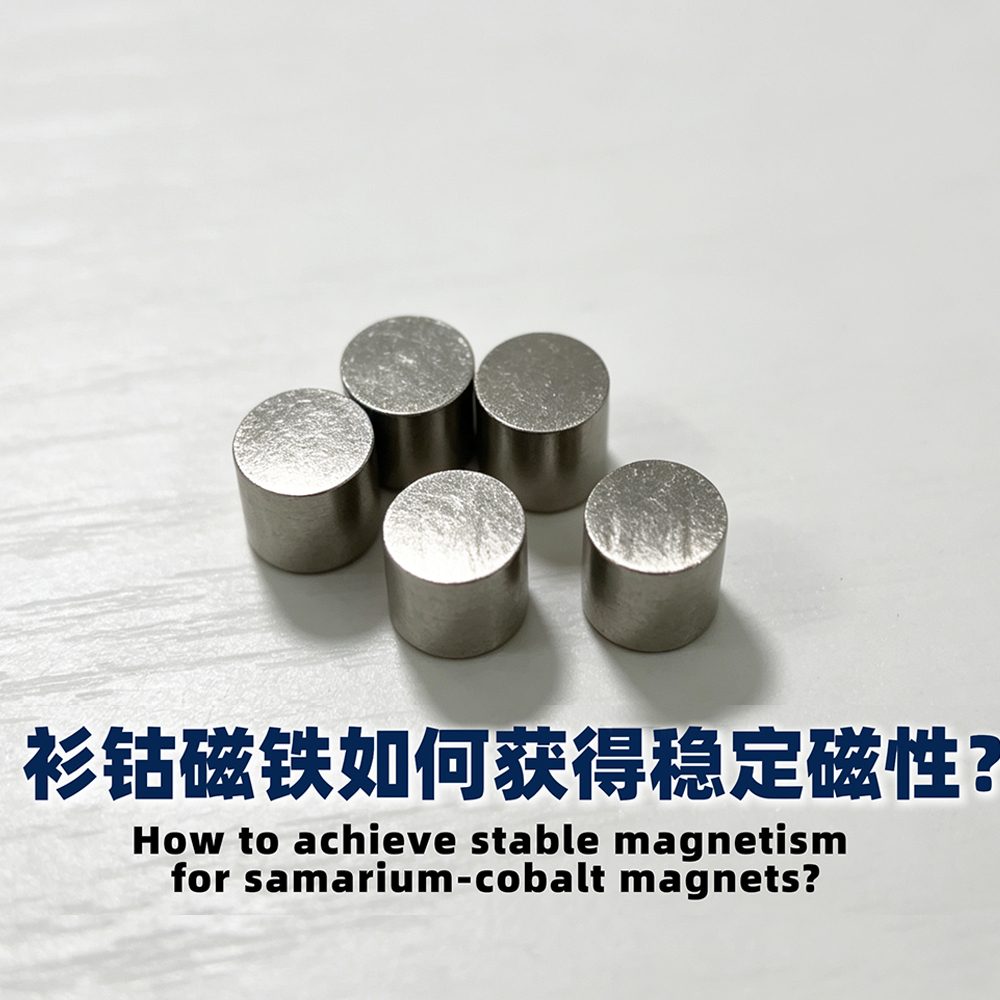
Video Demonstrating How Jiuju Cobalt Magnets Achieve Stable Magnetization—Jiuju Magnetizer
September 9, 2026
Thanks to their high coercivity and high-temperature resistance, samarium-cobalt magnets are widely used in high-temperature precision applications, where stable and uniform magnetic output is key to ensuring their core performance.

Video on Automatic Magnet Magnetization—Jiuju Magnetizer
August 17, 2026
Magnetization itself is a physical process that takes place in milliseconds; what truly slows down the overall production cycle are the manual loading, unloading, and alignment and calibration steps. In manual magnetization mode, workers must pick up and place each part individually and verify the polarity direction, which takes several seconds per part. Production capacity fluctuates significantly depending on the workers’ skill level and fatigue, and the strong magnetic field environment also poses safety hazards.

Video Demonstrating the Magnetization of Jiuju High-Frequency Drivers—Jiuju Magnetizer
September 14, 2026
Problems such as unusual noises during motor operation, reduced power output, and increased energy consumption often stem not from damaged windings or bearings, but from uneven magnetic field distribution.

Video Demonstrating Jiuju's Magnetization Process for Antique Speakers—Jiuju Magnetizer
September 13, 2026
To address the need for rework due to defective magnetic circuits in audio speakers, the restoration of demagnetized finished products, and the elimination of residual magnetism during the production process, Jiuju offers an integrated magnetization and demagnetization process solution that covers magnetic circuit components for speakers of all sizes, including both internal and external magnet types.
Video Case Study on the Magnetization Process for Jiuju Irregular-Shaped Cobalt Magnets—Jiuju Magnetizer
September 12, 2026
Irregularly shaped samarium-cobalt magnets have complex magnetic pole configurations. Combined with the high-temperature resistance and high coercive force of samarium-cobalt materials, this makes them highly prone to issues such as magnetic field non-uniformity and uneven magnetization during magnetization, placing high demands on tooling and process parameters.
Video Case Study on the Magnetization Process for Sintered Neodymium-Iron-Boron Magnetic Rings—Jiuju Magnetizer
September 11, 2026
Sintered neodymium-iron-boron magnetic rings are widely used in precision equipment such as motors and sensors; multipole magnetization imposes stringent requirements on magnetic field uniformity and the positioning accuracy of the magnetic poles.
Video Demonstrating the Magnetization of Jiuju High-Frequency Drivers—Jiuju Magnetizer
September 14, 2026
Problems such as unusual noises during motor operation, reduced power output, and increased energy consumption often stem not from damaged windings or bearings, but from uneven magnetic field distribution.
Video Demonstrating Jiuju's Magnetization Process for Antique Speakers—Jiuju Magnetizer
September 13, 2026
To address the need for rework due to defective magnetic circuits in audio speakers, the restoration of demagnetized finished products, and the elimination of residual magnetism during the production process, Jiuju offers an integrated magnetization and demagnetization process solution that covers magnetic circuit components for speakers of all sizes, including both internal and external magnet types.
Video Case Study on the Magnetization Process for Jiuju Irregular-Shaped Cobalt Magnets—Jiuju Magnetizer
September 12, 2026
Irregularly shaped samarium-cobalt magnets have complex magnetic pole configurations. Combined with the high-temperature resistance and high coercive force of samarium-cobalt materials, this makes them highly prone to issues such as magnetic field non-uniformity and uneven magnetization during magnetization, placing high demands on tooling and process parameters.
Video Case Study on the Magnetization Process for Sintered Neodymium-Iron-Boron Magnetic Rings—Jiuju Magnetizer
September 11, 2026
Sintered neodymium-iron-boron magnetic rings are widely used in precision equipment such as motors and sensors; multipole magnetization imposes stringent requirements on magnetic field uniformity and the positioning accuracy of the magnetic poles.
Video Demonstrating the Magnetization of Jiuju High-Frequency Drivers—Jiuju Magnetizer
September 14, 2026
Problems such as unusual noises during motor operation, reduced power output, and increased energy consumption often stem not from damaged windings or bearings, but from uneven magnetic field distribution.
Video Demonstrating Jiuju's Magnetization Process for Antique Speakers—Jiuju Magnetizer
September 13, 2026
To address the need for rework due to defective magnetic circuits in audio speakers, the restoration of demagnetized finished products, and the elimination of residual magnetism during the production process, Jiuju offers an integrated magnetization and demagnetization process solution that covers magnetic circuit components for speakers of all sizes, including both internal and external magnet types.
Video Case Study on the Magnetization Process for Jiuju Irregular-Shaped Cobalt Magnets—Jiuju Magnetizer
September 12, 2026
Irregularly shaped samarium-cobalt magnets have complex magnetic pole configurations. Combined with the high-temperature resistance and high coercive force of samarium-cobalt materials, this makes them highly prone to issues such as magnetic field non-uniformity and uneven magnetization during magnetization, placing high demands on tooling and process parameters.
Video Case Study on the Magnetization Process for Sintered Neodymium-Iron-Boron Magnetic Rings—Jiuju Magnetizer
September 11, 2026
Sintered neodymium-iron-boron magnetic rings are widely used in precision equipment such as motors and sensors; multipole magnetization imposes stringent requirements on magnetic field uniformity and the positioning accuracy of the magnetic poles.
Video Demonstrating the Magnetization of Jiuju High-Frequency Drivers—Jiuju Magnetizer
September 14, 2026
Problems such as unusual noises during motor operation, reduced power output, and increased energy consumption often stem not from damaged windings or bearings, but from uneven magnetic field distribution.
Video Demonstrating Jiuju's Magnetization Process for Antique Speakers—Jiuju Magnetizer
September 13, 2026
To address the need for rework due to defective magnetic circuits in audio speakers, the restoration of demagnetized finished products, and the elimination of residual magnetism during the production process, Jiuju offers an integrated magnetization and demagnetization process solution that covers magnetic circuit components for speakers of all sizes, including both internal and external magnet types.
Video Case Study on the Magnetization Process for Jiuju Irregular-Shaped Cobalt Magnets—Jiuju Magnetizer
September 12, 2026
Irregularly shaped samarium-cobalt magnets have complex magnetic pole configurations. Combined with the high-temperature resistance and high coercive force of samarium-cobalt materials, this makes them highly prone to issues such as magnetic field non-uniformity and uneven magnetization during magnetization, placing high demands on tooling and process parameters.
Video Case Study on the Magnetization Process for Sintered Neodymium-Iron-Boron Magnetic Rings—Jiuju Magnetizer
September 11, 2026
Sintered neodymium-iron-boron magnetic rings are widely used in precision equipment such as motors and sensors; multipole magnetization imposes stringent requirements on magnetic field uniformity and the positioning accuracy of the magnetic poles.
Video Demonstrating the Magnetization of Jiuju High-Frequency Drivers—Jiuju Magnetizer
September 14, 2026
Problems such as unusual noises during motor operation, reduced power output, and increased energy consumption often stem not from damaged windings or bearings, but from uneven magnetic field distribution.
Video Demonstrating Jiuju's Magnetization Process for Antique Speakers—Jiuju Magnetizer
September 13, 2026
To address the need for rework due to defective magnetic circuits in audio speakers, the restoration of demagnetized finished products, and the elimination of residual magnetism during the production process, Jiuju offers an integrated magnetization and demagnetization process solution that covers magnetic circuit components for speakers of all sizes, including both internal and external magnet types.
Video Case Study on the Magnetization Process for Jiuju Irregular-Shaped Cobalt Magnets—Jiuju Magnetizer
September 12, 2026
Irregularly shaped samarium-cobalt magnets have complex magnetic pole configurations. Combined with the high-temperature resistance and high coercive force of samarium-cobalt materials, this makes them highly prone to issues such as magnetic field non-uniformity and uneven magnetization during magnetization, placing high demands on tooling and process parameters.
Video Case Study on the Magnetization Process for Sintered Neodymium-Iron-Boron Magnetic Rings—Jiuju Magnetizer
September 11, 2026
Sintered neodymium-iron-boron magnetic rings are widely used in precision equipment such as motors and sensors; multipole magnetization imposes stringent requirements on magnetic field uniformity and the positioning accuracy of the magnetic poles.

 English
  Chinese
  Russian
  Vietnamese
  Korean
  Thai
Thai  French
  Spanish
  Japanese
  Hindi
Hindi  Bengali
  Portuguese